St. George Home Services

Concrete coatings · The slab underneath

Concrete grinding and preparation

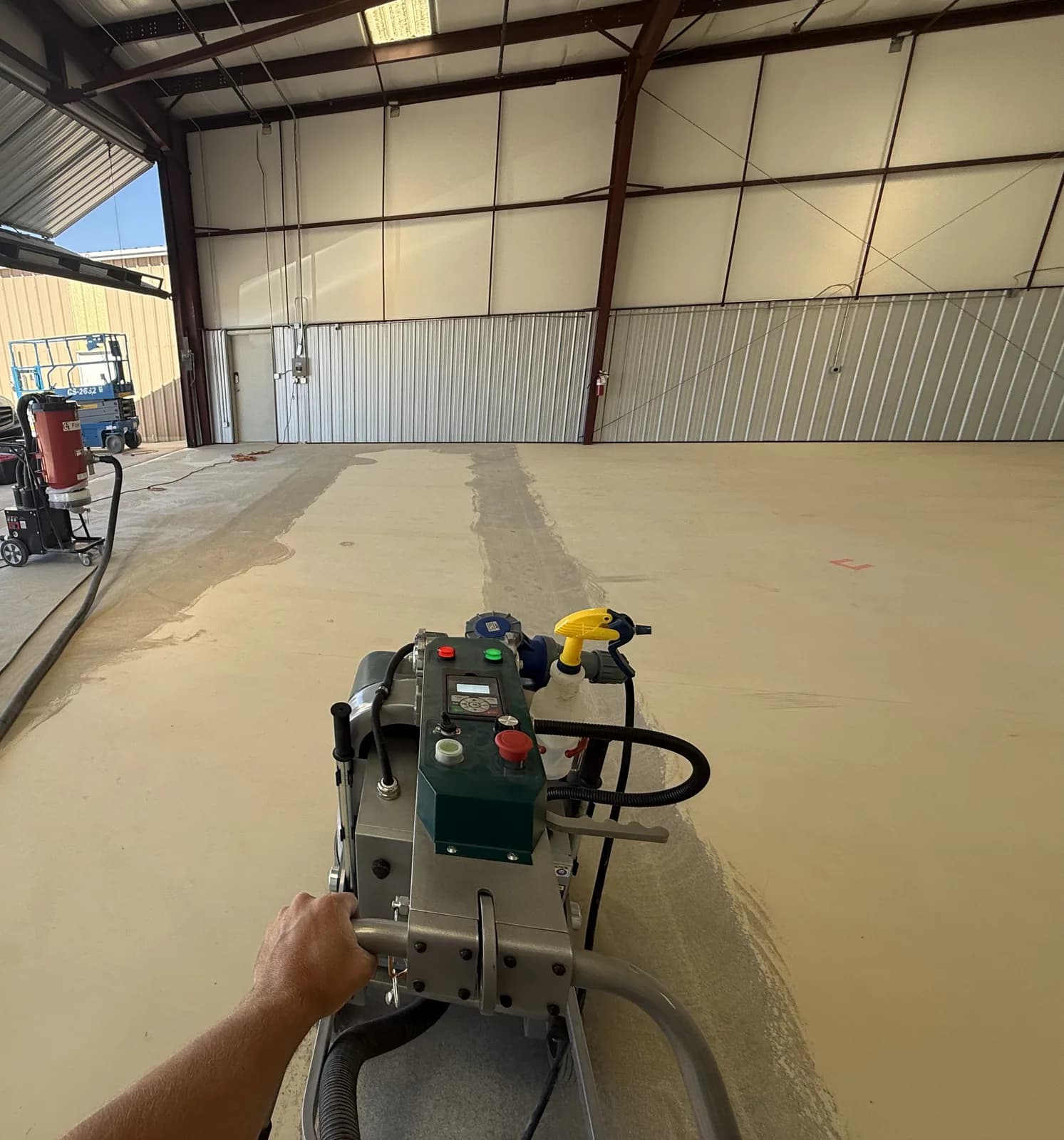
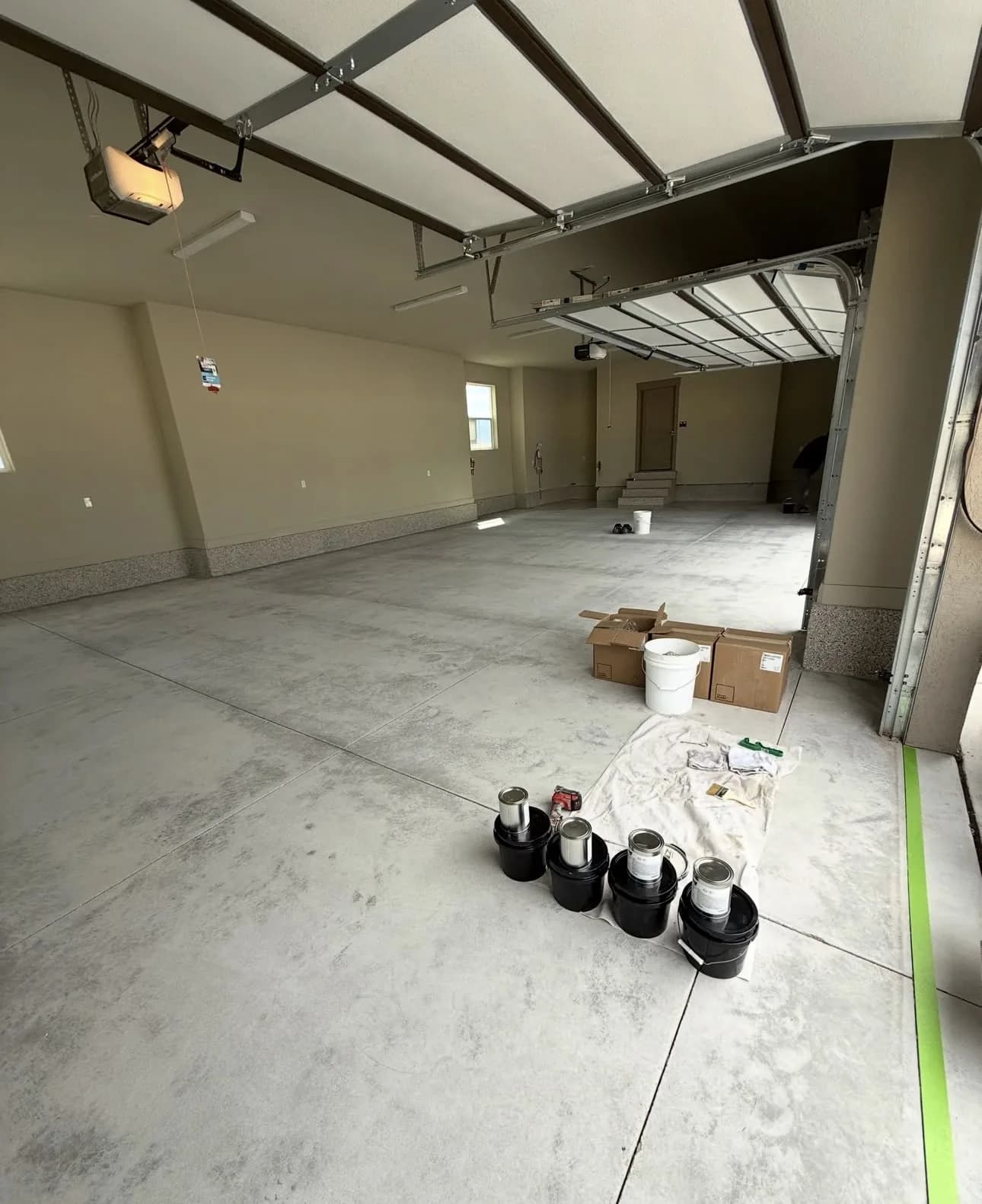
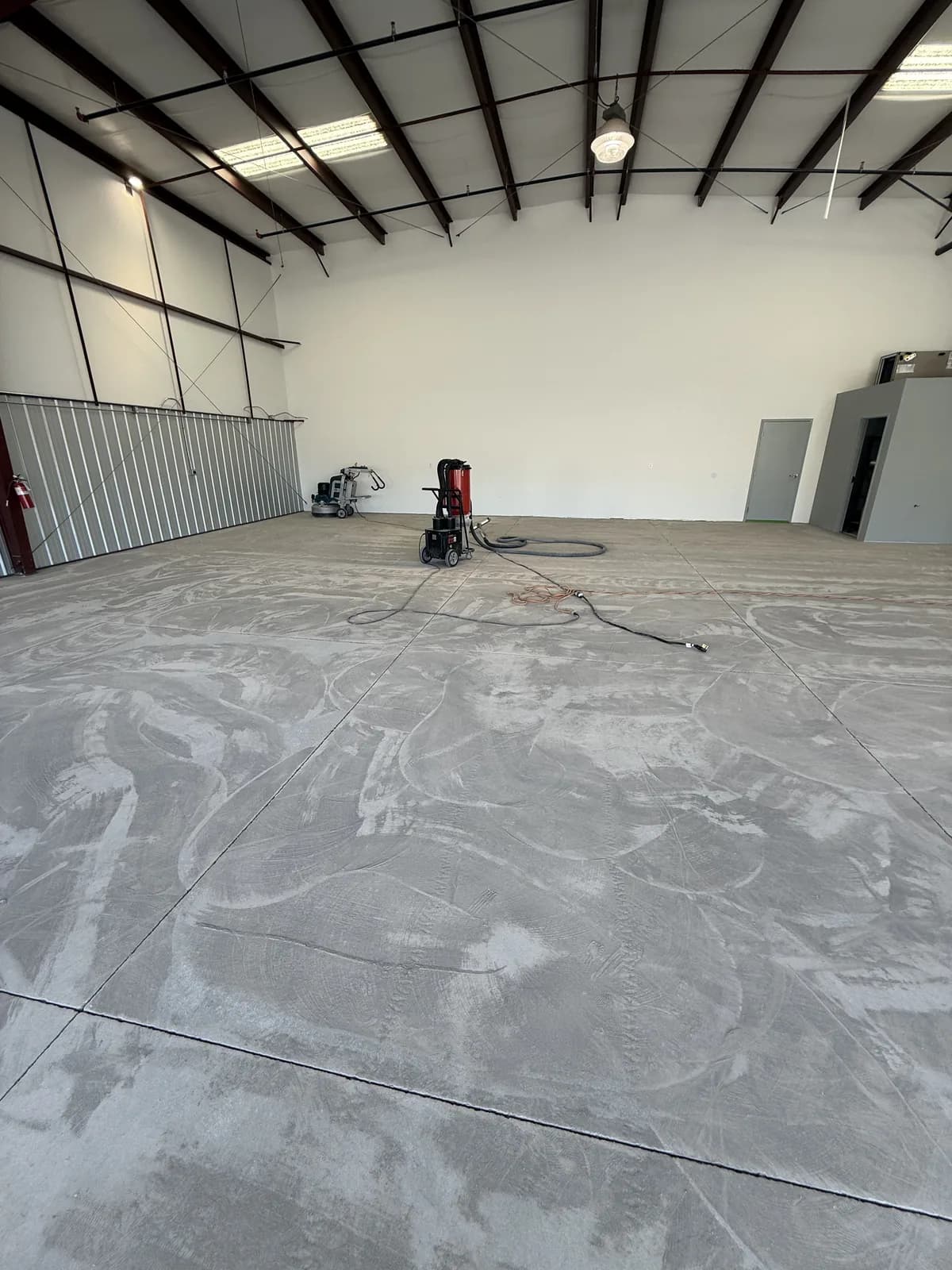
Diamond grinding to take the slab back past its surface film. It is most of the labor on any coating job and all of the difference between one that holds and one that lets go.

One flat fee to find out what is wrong. You are told it on the phone before anyone is dispatched, and it comes off the job if you hire us. Read our Plain Terms

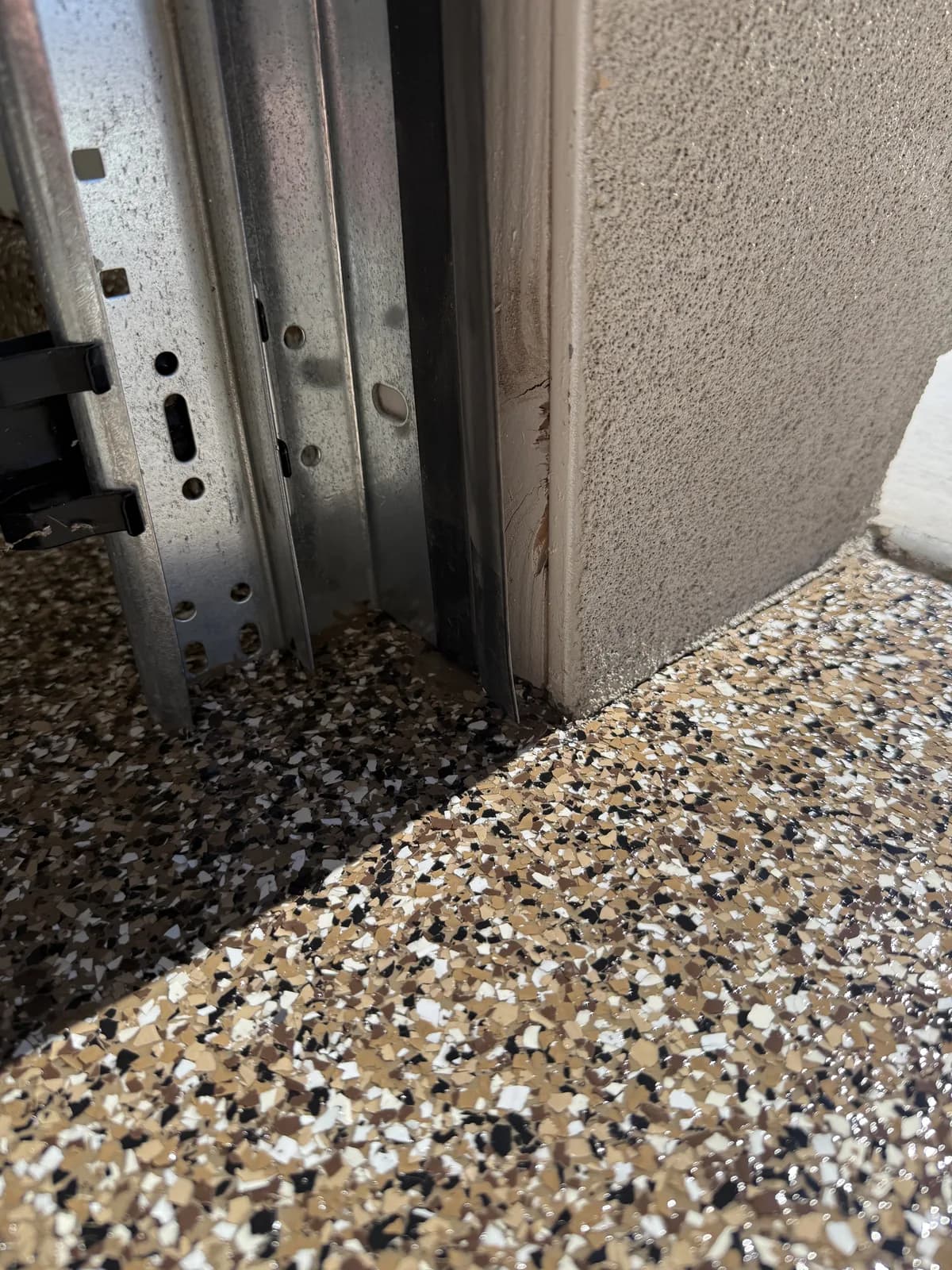
The corner where a tan flake floor meets a stucco wall and the galvanised track of a garage door, the coating running cleanly into both angles
The corner behind the door track. It is the hardest place to finish and the first place to look.

What the work is

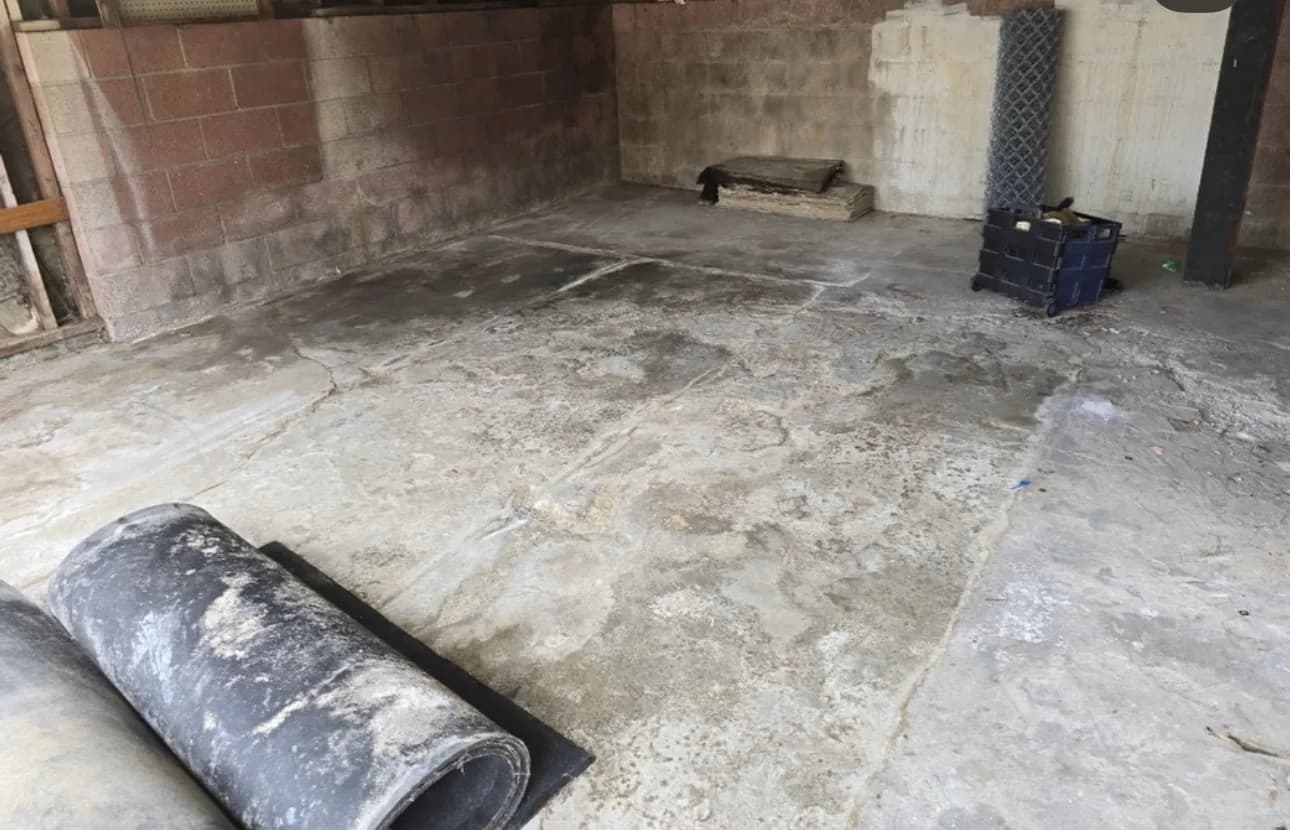
Concrete finishes with a weak, fines-rich layer on top called laitance. It is a normal product of how a slab is poured and floated, not a defect. It is also not something a coating can bond through. A finish applied over laitance is bonded to the laitance, and the day the laitance releases, the floor looks like the coating failed.

Mechanical preparation is the answer, and the requirement is published. In Sika's words, concrete substrates "must be mechanically prepared to remove cement laitance, existing coatings, curing compounds, and achieve a profile that is clean, dry, and free from dirt, grease, oil". Surface grinders with diamond pads, in the same guide's words, "are used to create a surface profile, remove high spots on a concrete surface and remove coatings". Shot blasting is described there as "the industry standard for surface preparation of concrete".

What that leaves behind is a texture with a number. The International Concrete Repair Institute publishes the scale, physical chips exist to check against, and the coating manufacturer states on its own data sheet which profile its product needs. So the honest question to any contractor is not whether they grind but what profile they ground to and how they verified it.

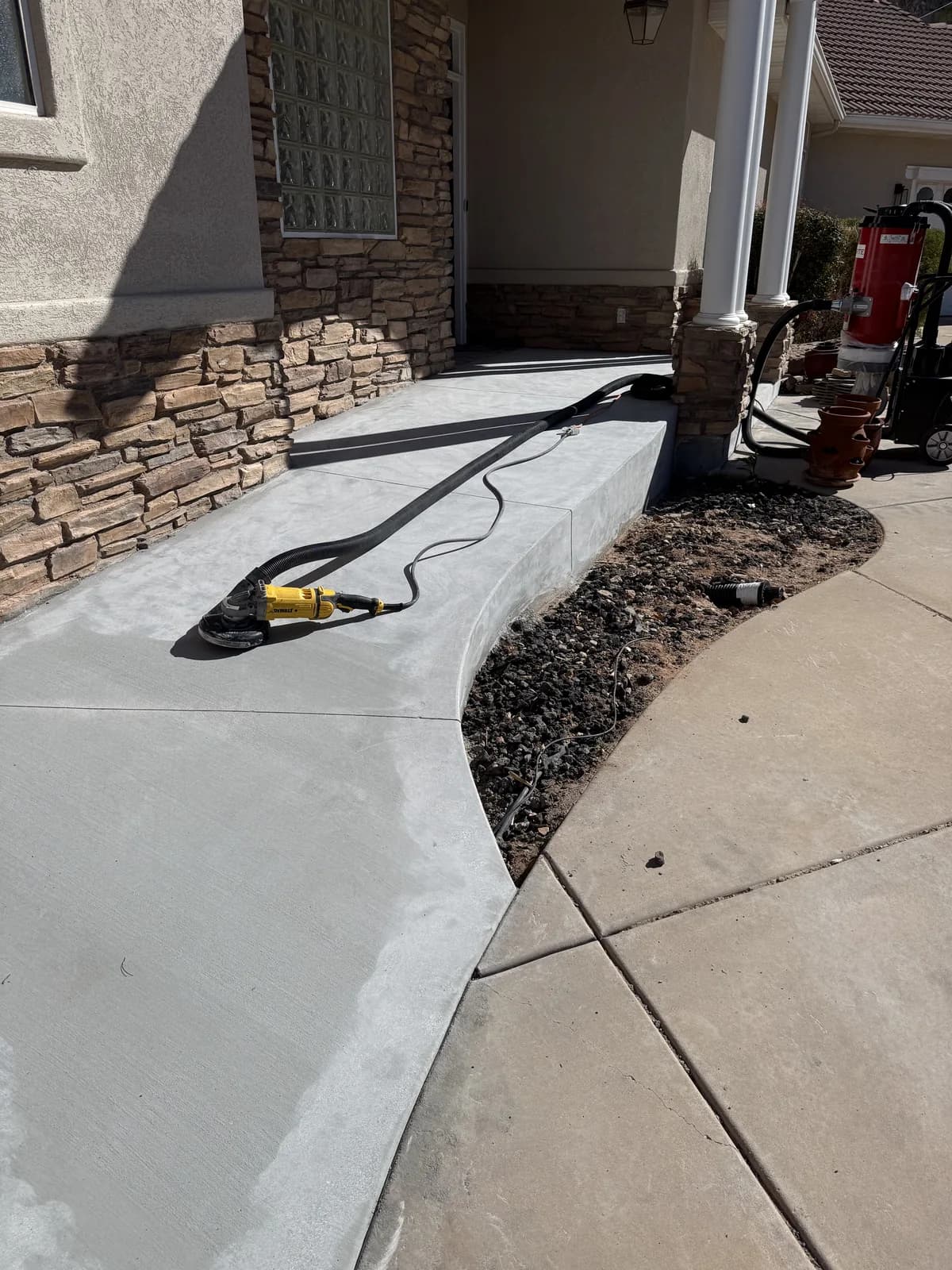
Extraction runs at the machine. Concrete dust is respirable silica and it does not belong in a house or in anyone's lungs.

What is included

  • Diamond grinding across the full floor
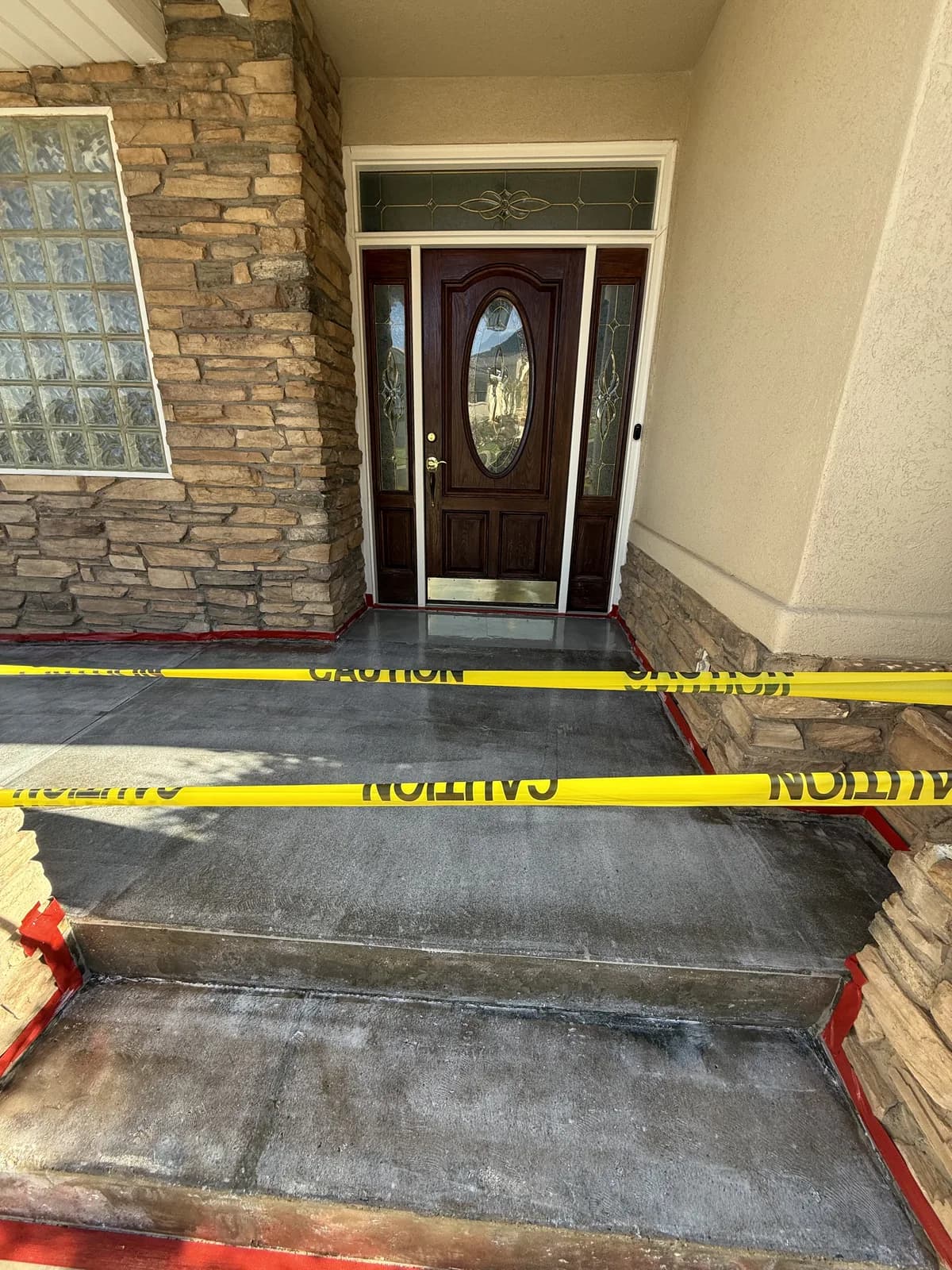
  • Hand grinding to the edges, corners, risers and anywhere a machine will not reach
  • Dust extraction at the machine throughout
  • Removal of existing coatings, curing compounds and adhesive residue where they come off
  • The intended surface profile named before work starts

What is not

  • Acid etching as a substitute. If you want it, ask us for the reasoning rather than assuming it is equivalent
  • Grinding out staining that has penetrated the slab. Grinding takes the surface
  • Levelling a slab that is out of plane. That is a screed or a self-levelling compound and its own job
  • Working without extraction indoors

What to ask anyone quoting this, us included

  • What profile are you grinding to, and how do you check it?
  • What does the product data sheet ask for?
  • Is there extraction on the machine, and where does the dust go?
What we can show you in writing

Every line traces to a document we read in full. The number after a sentence points to the research below.

  • Concrete substrates must be mechanically prepared to remove cement laitance, existing coatings and curing compounds, and to achieve a profile that is clean, dry and free of dirt, grease and oil. Diamond grinders create that profile and remove high spots and coatings; shot blasting is described as the industry standard for surface preparation of concrete.1
  • ICRI Guideline 310.2R-2013 defines a scale of concrete surface profiles, from CSP 1 — essentially unchanged concrete with loose debris removed — through CSP 9 and beyond at exposed aggregate. Physical replica chips exist so a prepared slab can be visually accepted or rejected against the number, and most coating manufacturers specify against that scale on their own data sheets.1

Where this comes from

Every line above traces to a document we read in full. The number after a sentence points to the research below; hover it for the section. If you find a line wrong, tell us and we will fix it and say so.

  1. Concrete coatings research, September 2026 Compiled from ICRI Guideline 310.2R-2013 on concrete surface preparation, the ASTM moisture test standards F2170, F1869 and D4263, ACI 302.2R and NRMCA CIP 29 on slabs and vapor retarders, Sika's published surface preparation guide, Sherwin-Williams product literature on polyaspartic chemistry, and the Utah Geological Survey and Utah DEQ material already cited in the environment research. 2 sections cited. Hover a number above for the section.

The rest of the slab underneath

The quote is the number. There is no second number.

Call (801) 680-6859

7 a.m. to 5 p.m., weekdays. Emergency calls answered any hour, every day.