What the work is
Interior painting is mostly preparation and masking, and the finished room is decided long before the first coat. Nail pops and settlement cracks get cut out and patched, not painted over. Caulk that has split at the trim line is cut out and replaced, because new paint over a split caulk joint splits again in the same place within a season.
We wash where washing is needed. Kitchens carry a film of cooking oil that no primer is designed to stick to, and bathrooms carry soap and hairspray. Paint applied over either one fails by peeling in sheets, and it does it a year later, which is long enough that nobody connects the failure to the cause.
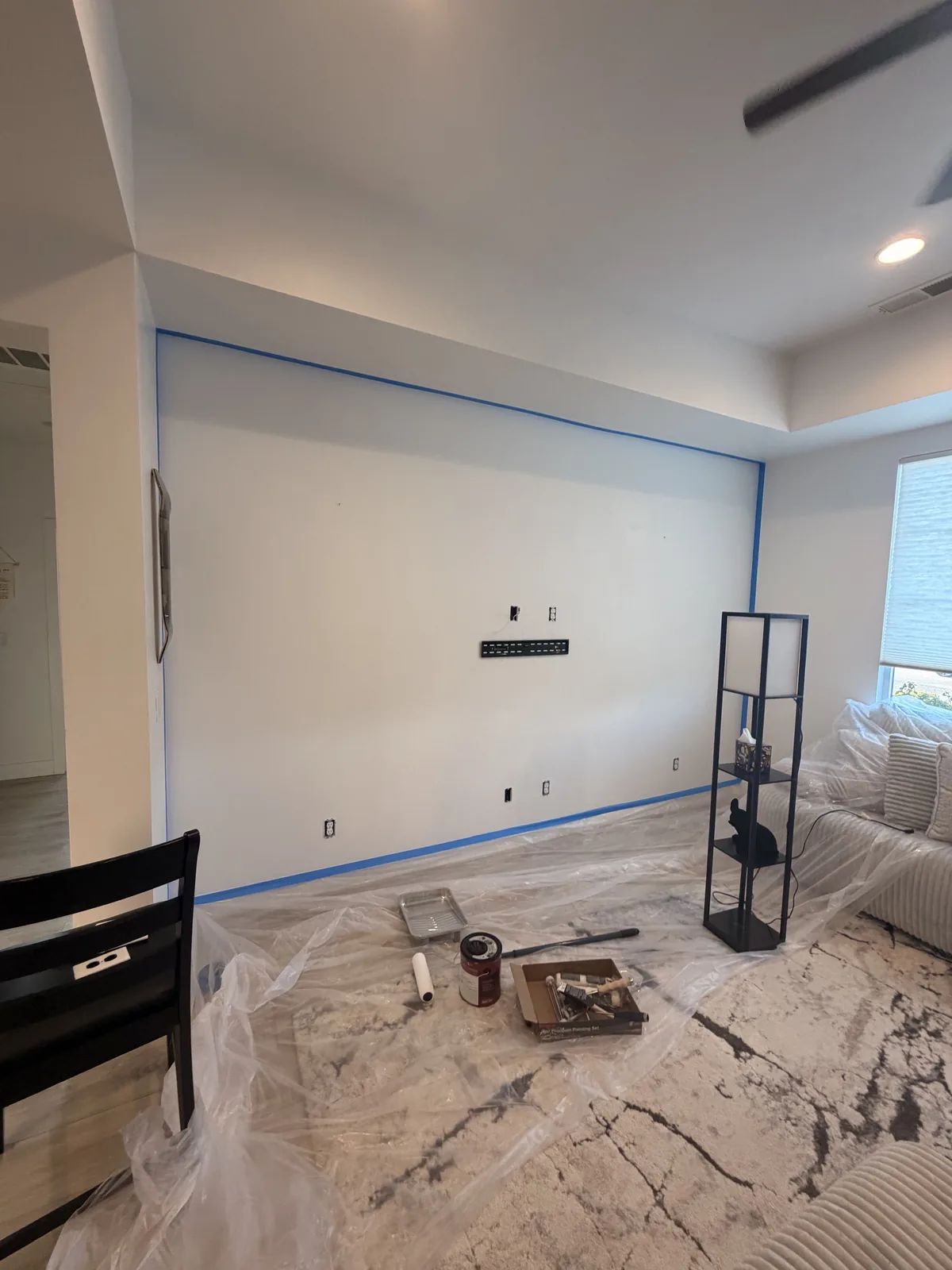
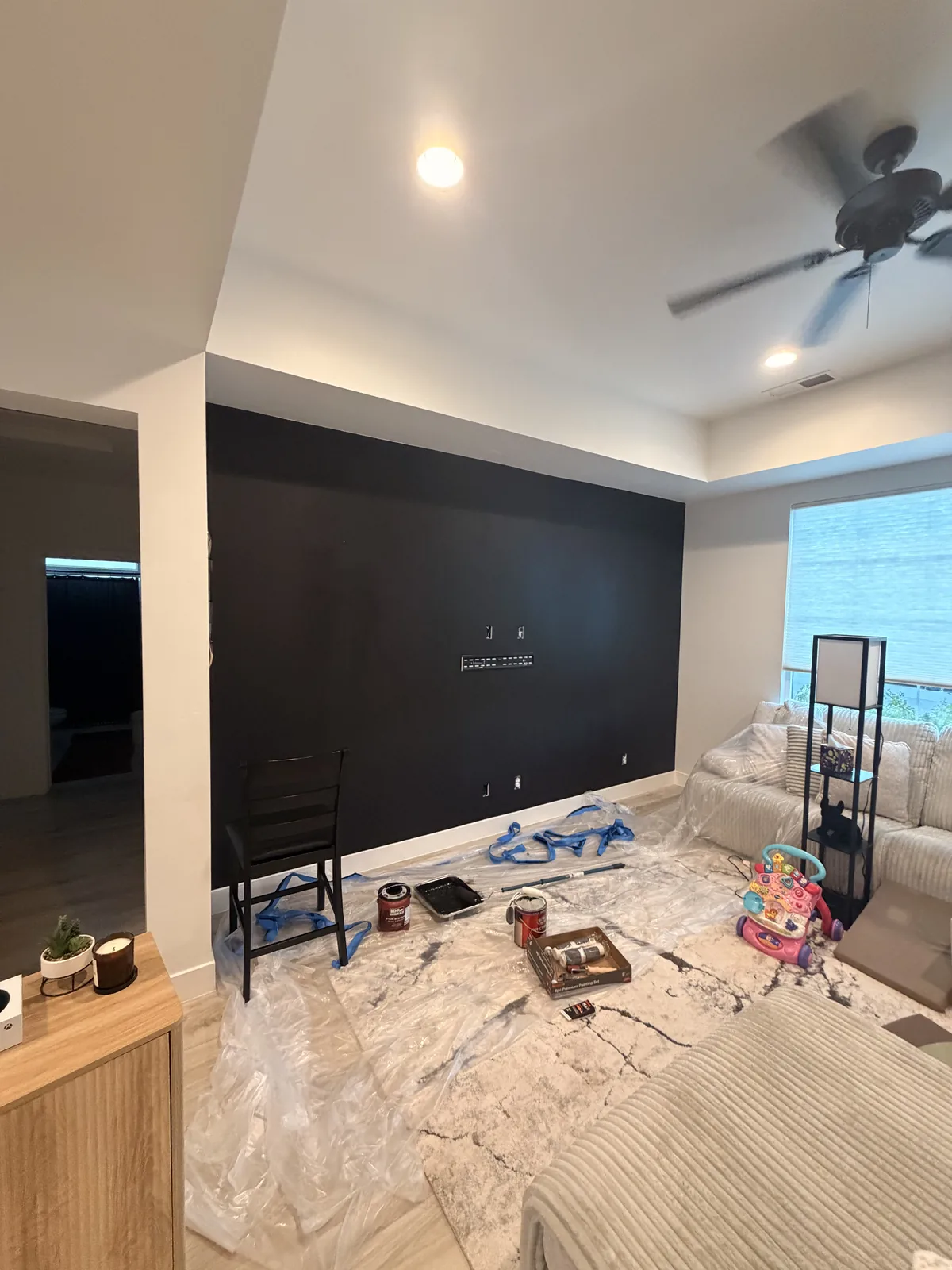
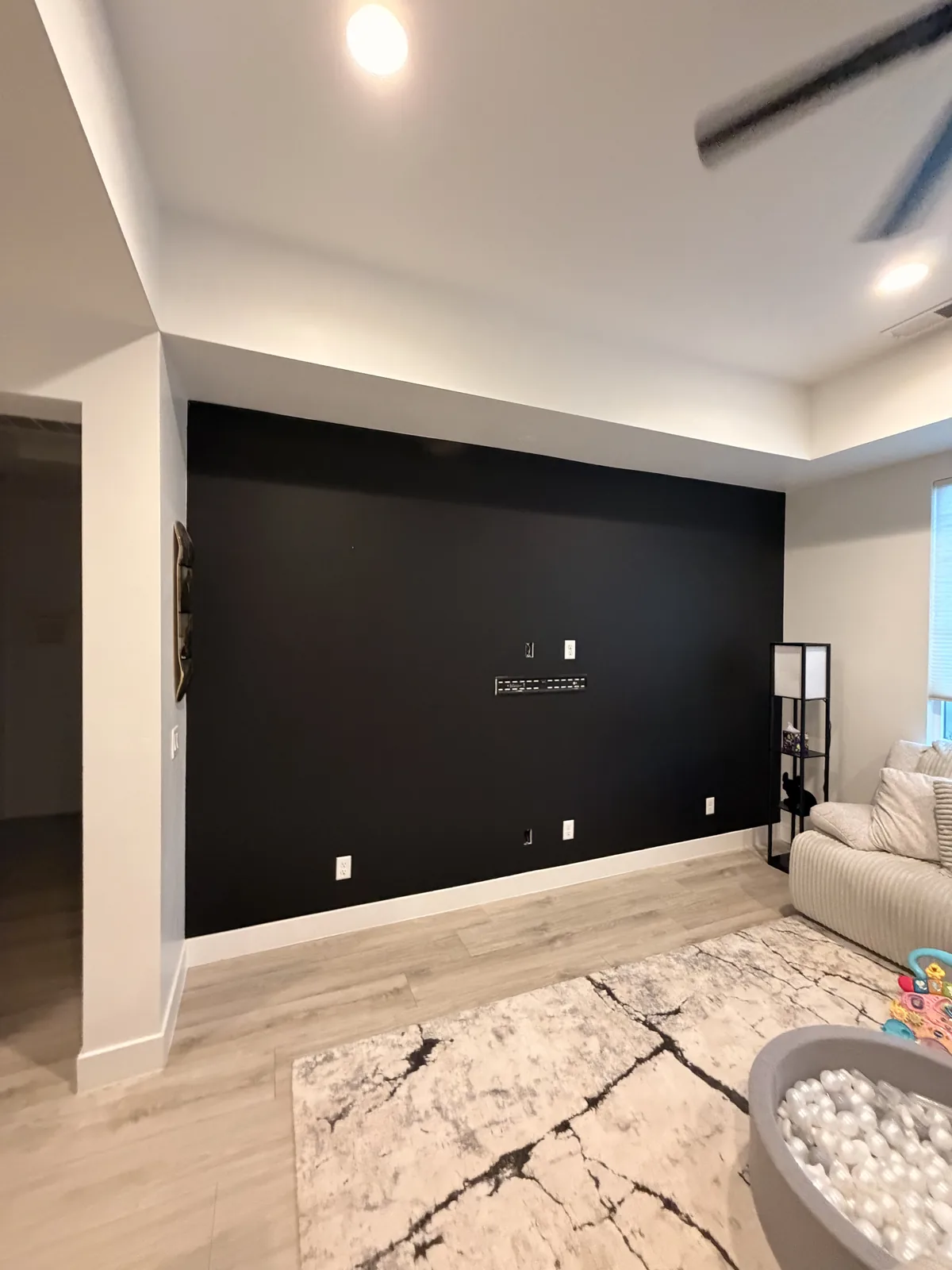
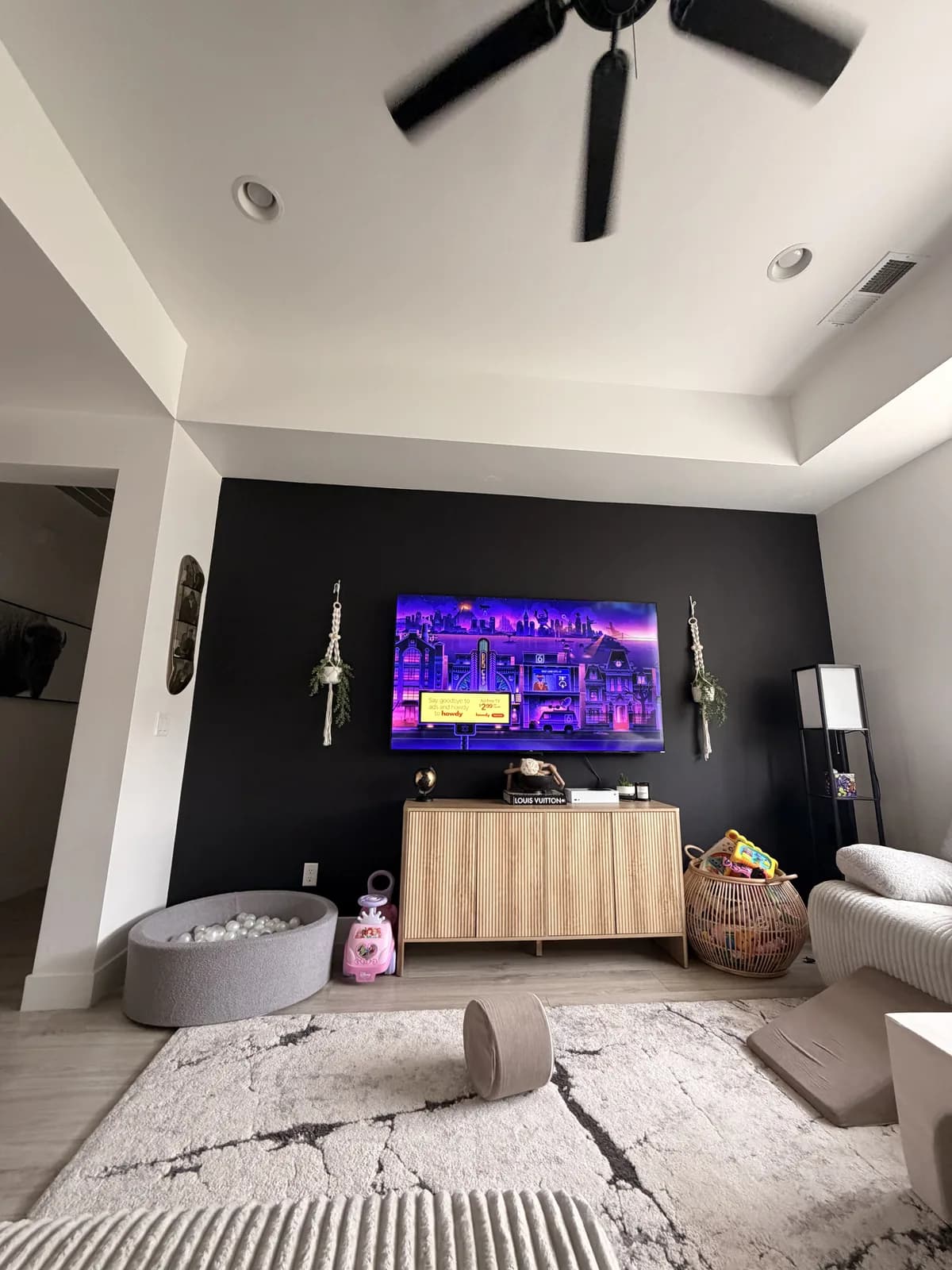
Then the order of work: ceilings, walls, trim, in that order, because each stage can be cut into the one before it. Everything that is not being painted is masked or moved, floors are covered, and the room is put back the same day it is finished.
We paint one room as willingly as a house. A single room is a small job and we price it as one, without the surcharge that gets attached to small work to discourage it.
What is included
- Nail pops, cracks and dents patched, sanded and spot-primed
- Split caulk lines cut out and re-caulked
- Greasy or soaped surfaces washed before primer
- Floors and fixtures covered, switch plates off and back on
- Ceilings, then walls, then trim
- The leftover paint labeled with the room it belongs to, and left with you
What is not
- Painting over a wall that is wet, or over a stain whose cause is still active. We find out where the water is coming from first
- Painting over wallpaper that is lifting. It has to come off, and that is a separate quote
- Furniture we are not qualified to move: pianos, gun safes, anything on a wall mount
What is different here
Houses in Washington County are dry, and dry air is not neutral for painting. Water-based paint sets faster than the label assumes, which shortens the window you have to keep a wet edge and makes lap marks easier to leave on a long wall. It is a reason to work in smaller sections and to cut and roll together, rather than a reason to thin the paint.
The second thing is dust. Blowing dust settles on freshly coated surfaces through the windows you opened for ventilation, so on a windy day we close the house and ventilate differently. A gritty finish is not a paint defect, it is a scheduling decision somebody made badly.
What to ask anyone quoting this, us included
- What are you patching, and will you prime the patches before the finish coat?
- Are you washing the kitchen and bathroom walls before you paint them?
- How many coats, and what happens if two does not cover the old color?
- What is your plan for the caulk lines at the trim?
- Will you leave me the leftover paint, labeled?