What the work is
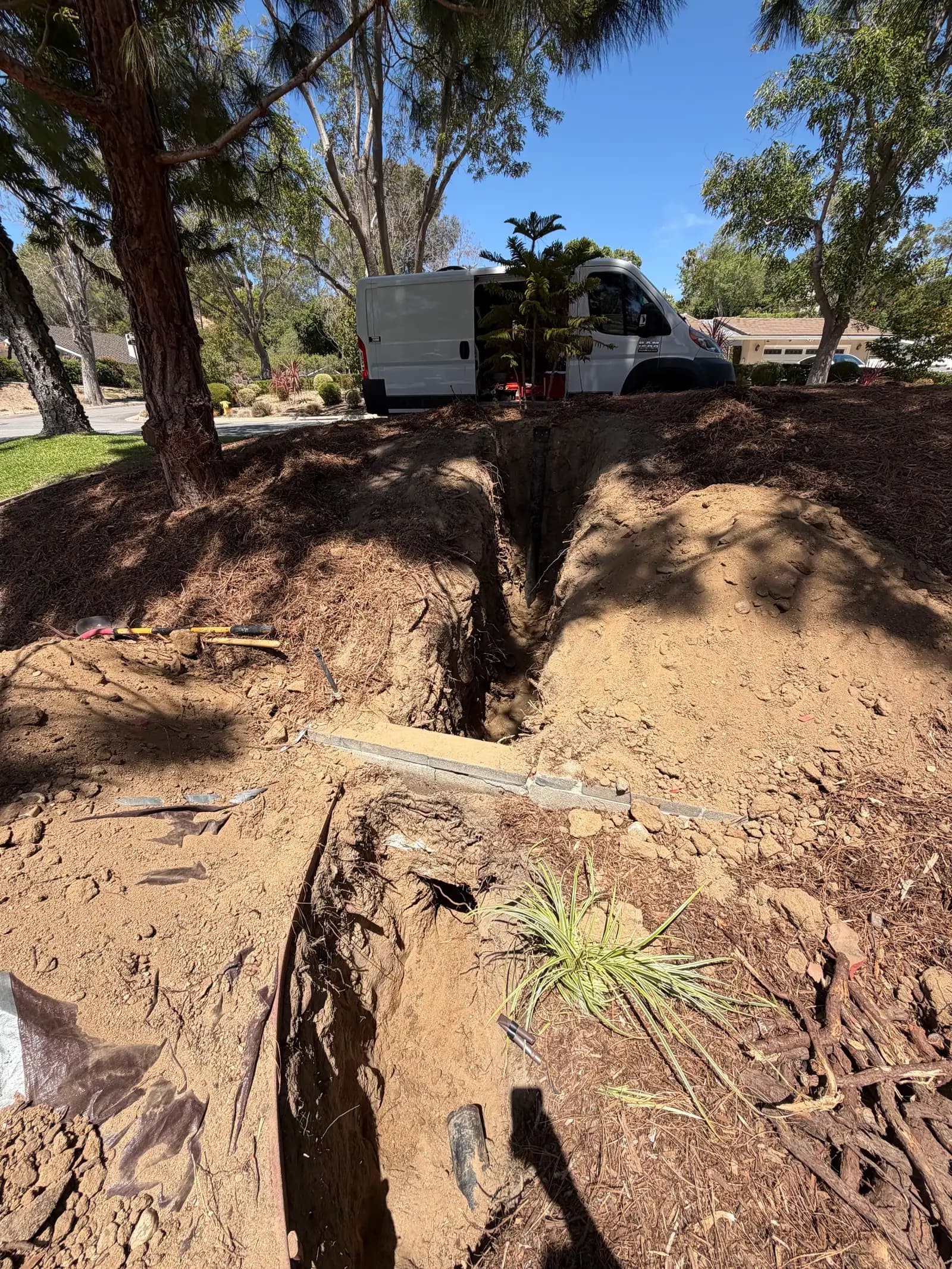
Sometimes the trench is the correct job: the line has to move, the grade has to change, the run is short, or the conditions rule out bursting and lining. In that case the honest thing is to dig it, not to sell a trenchless method that will not work.
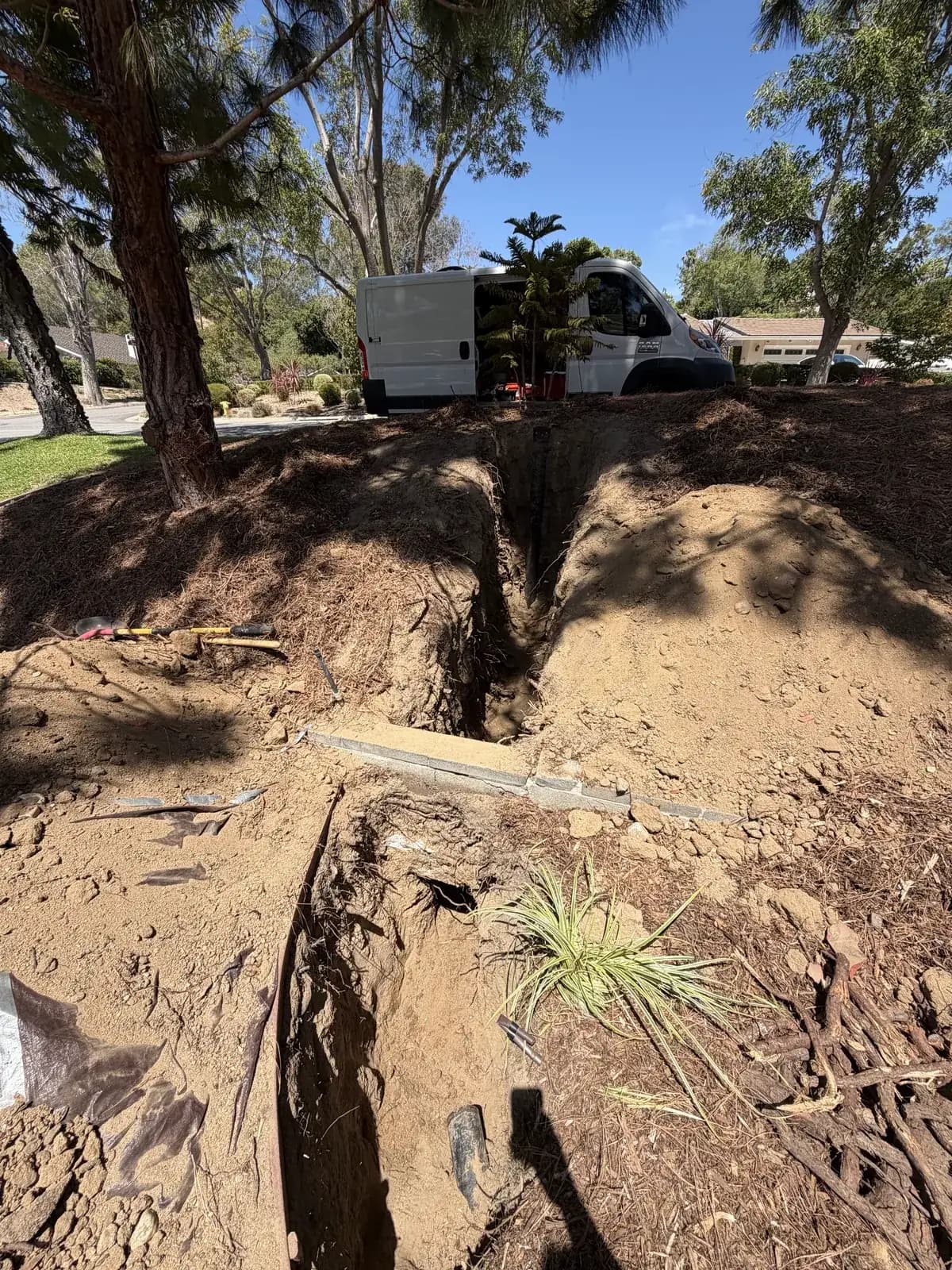
An open cut costs you the surface above it. That is the real price, and it is why we survey and price the alternatives first even though this job is often simpler for us.
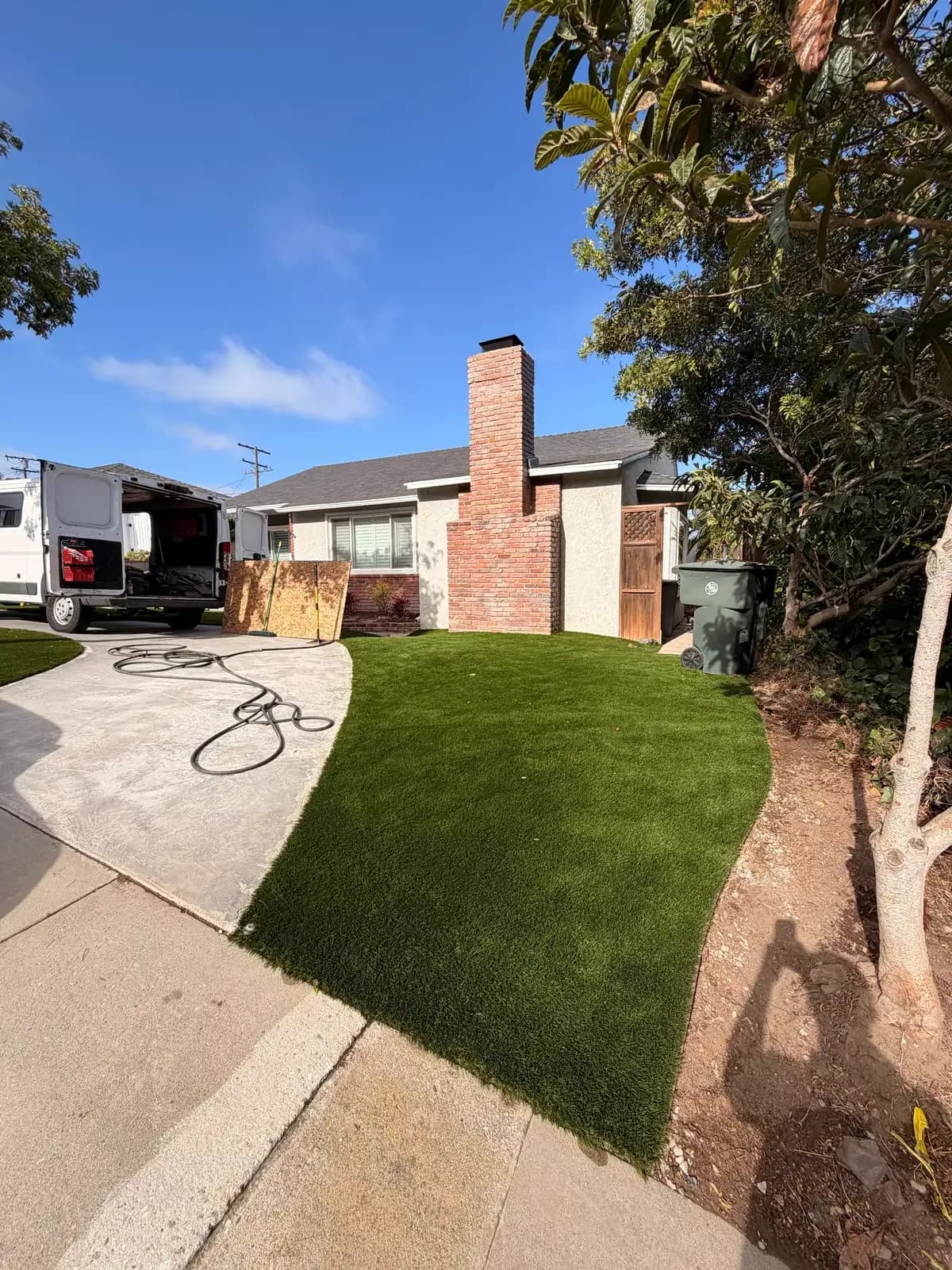
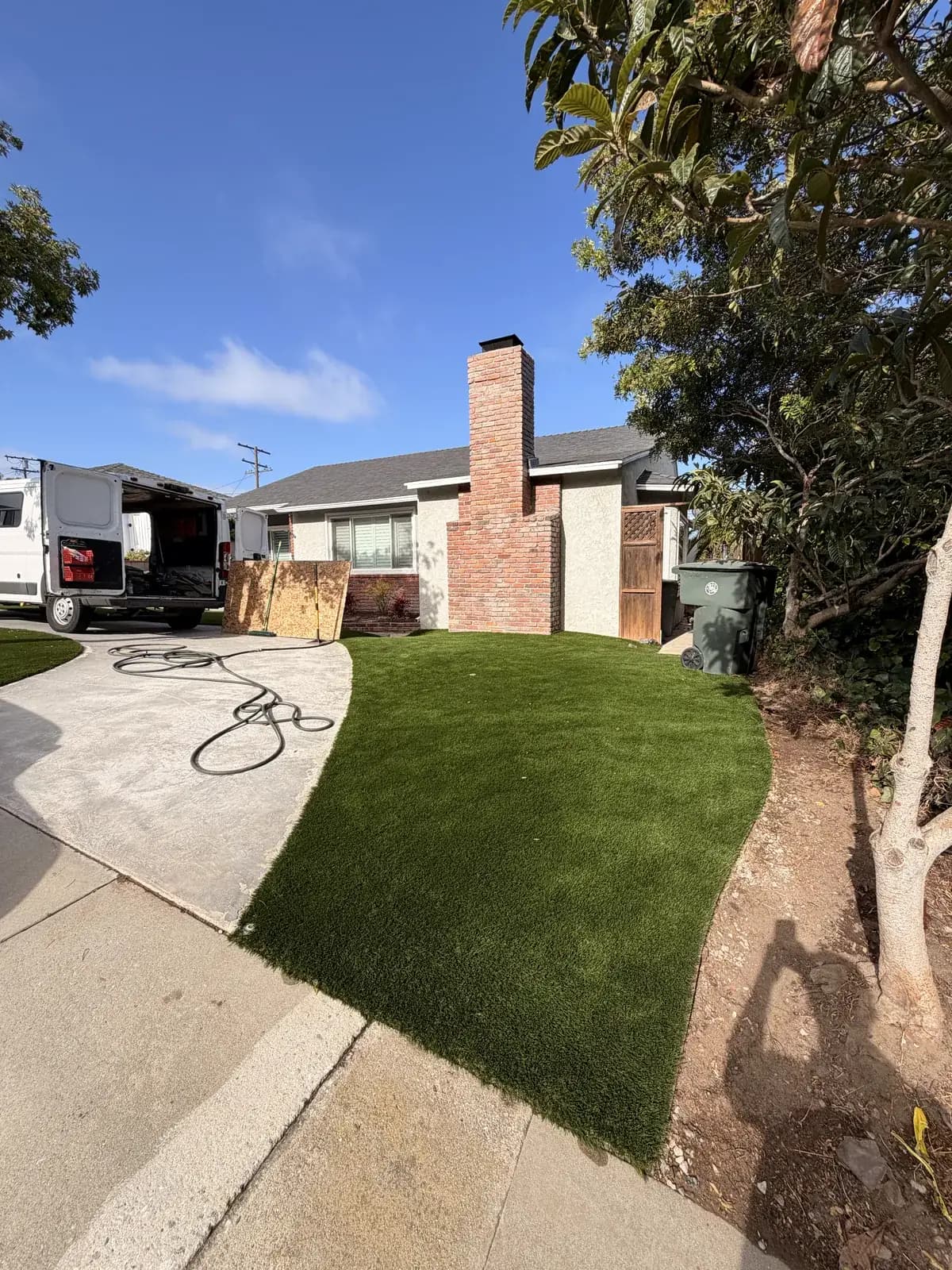
Where we do open cut, we protect the surfaces we are not digging, we compact the backfill properly, and we tell you before we start exactly what will not go back the way it was.
What is included
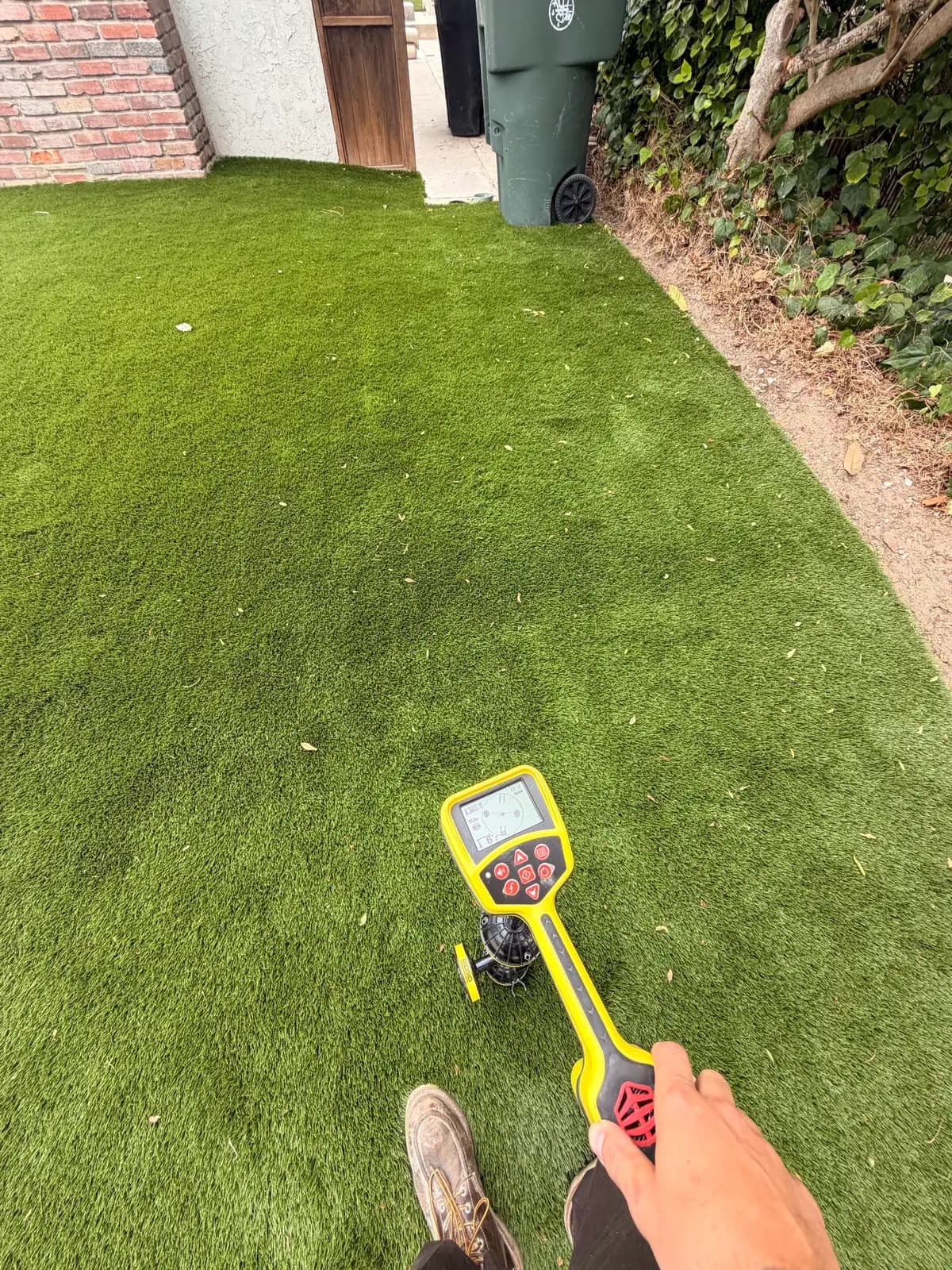
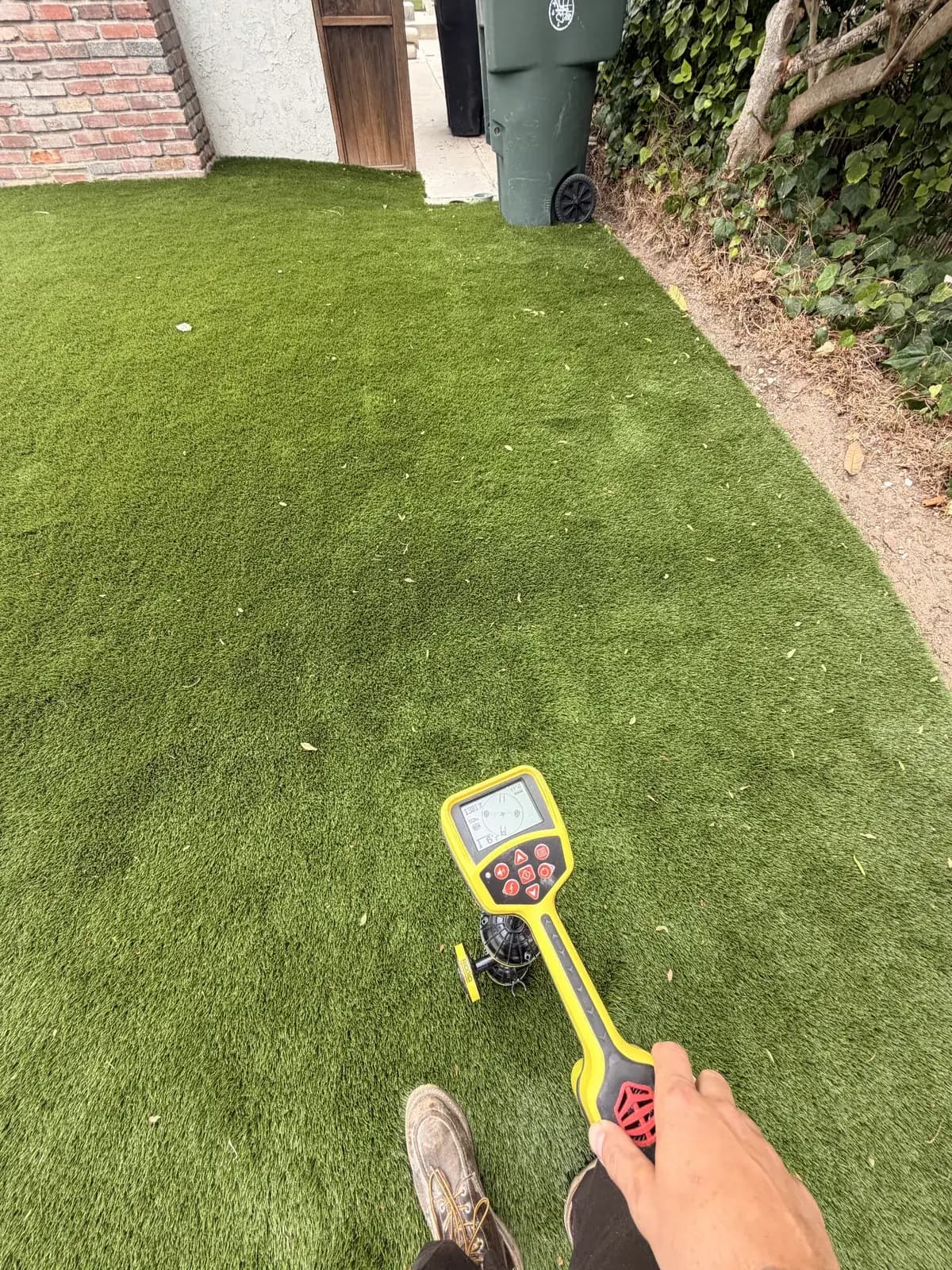
- Camera survey and locating before anything is opened
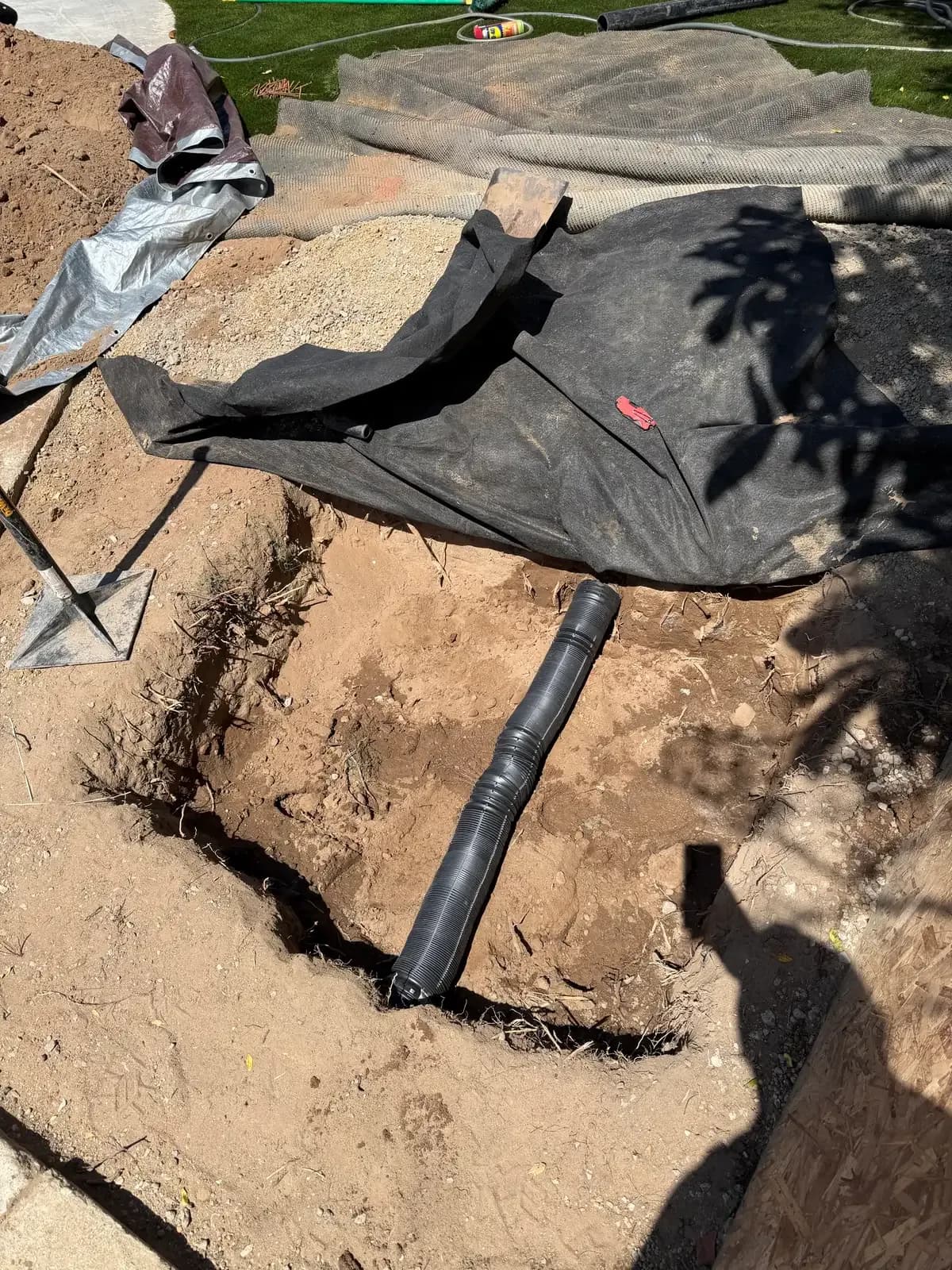
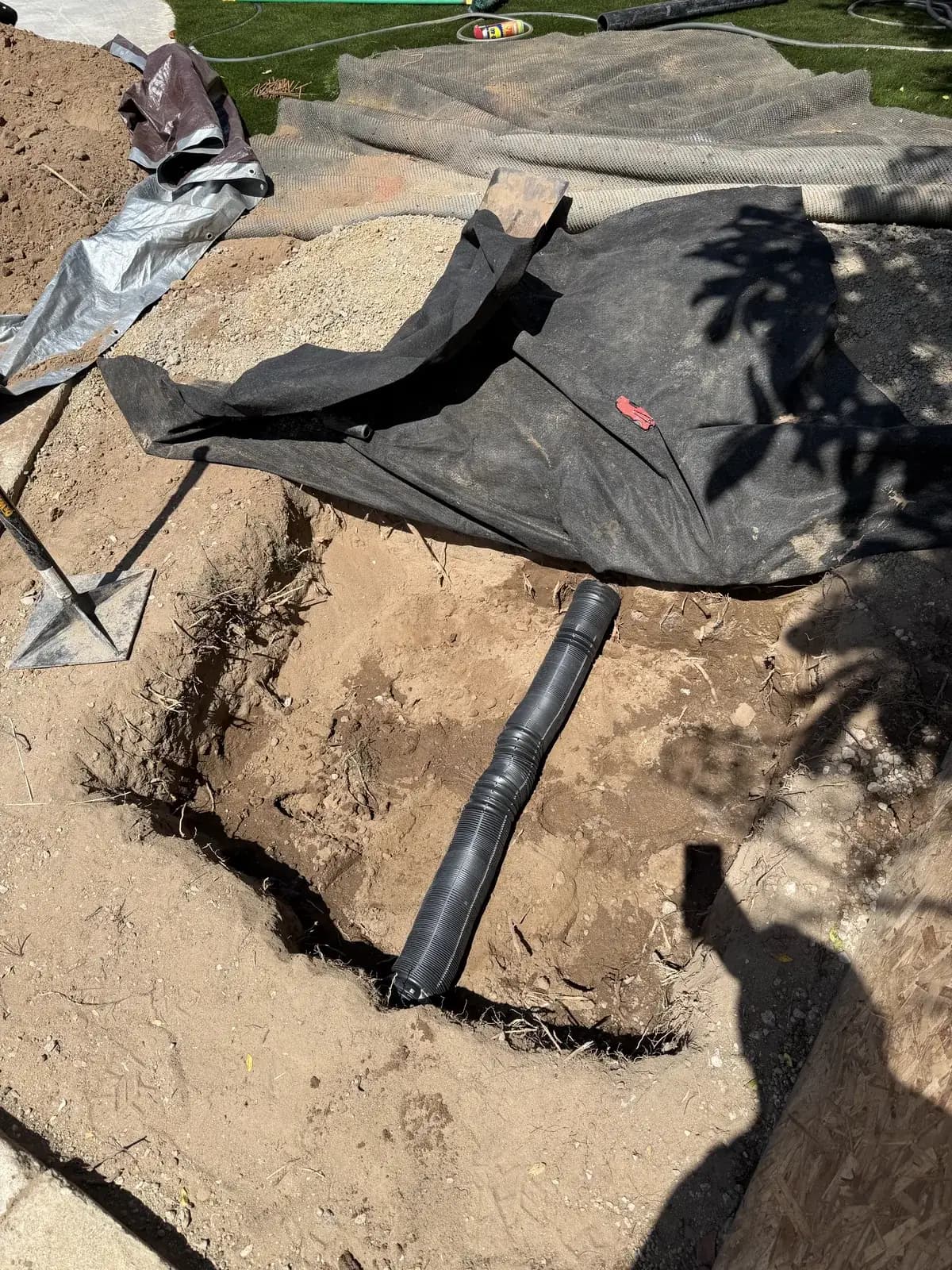
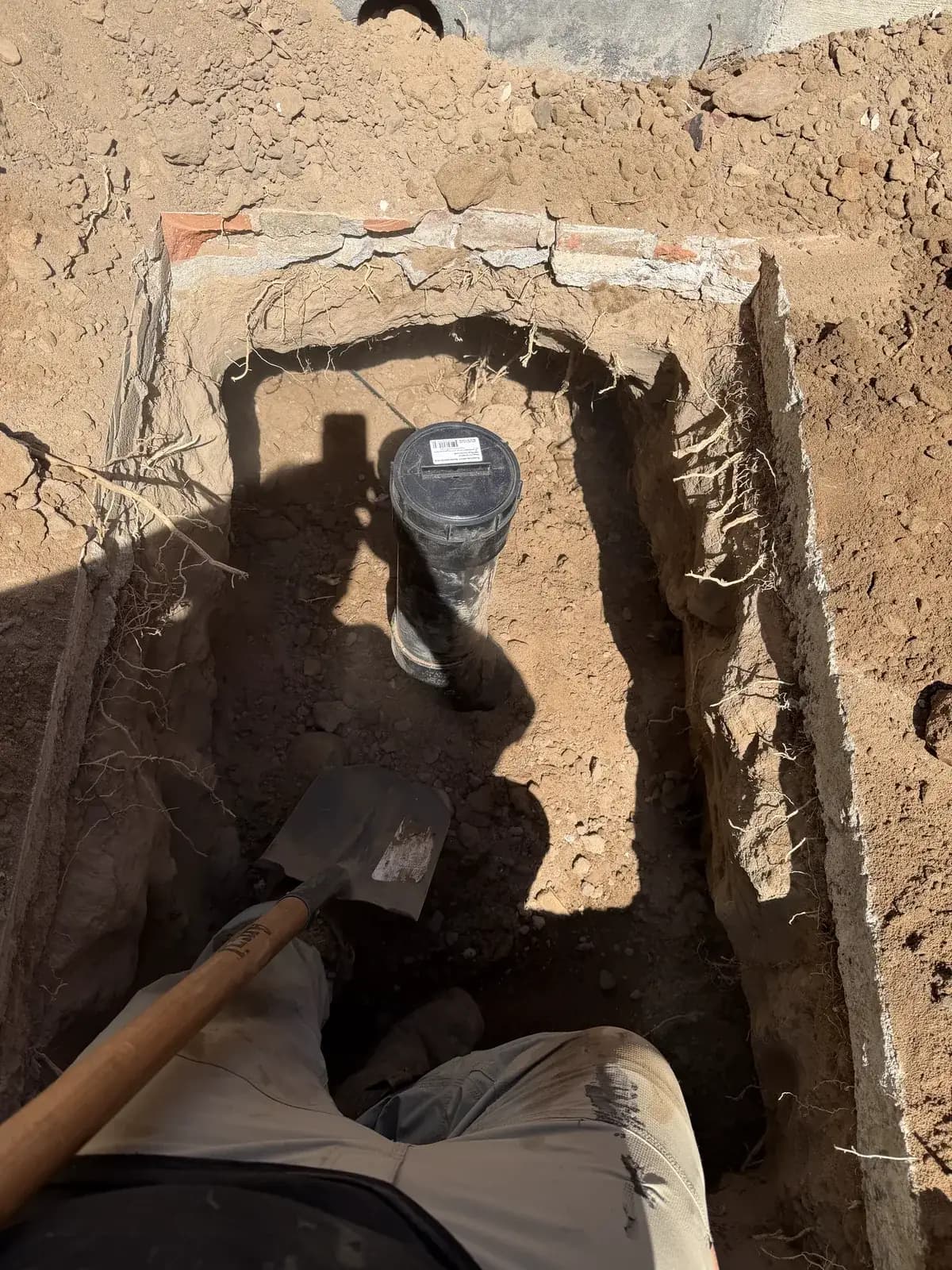
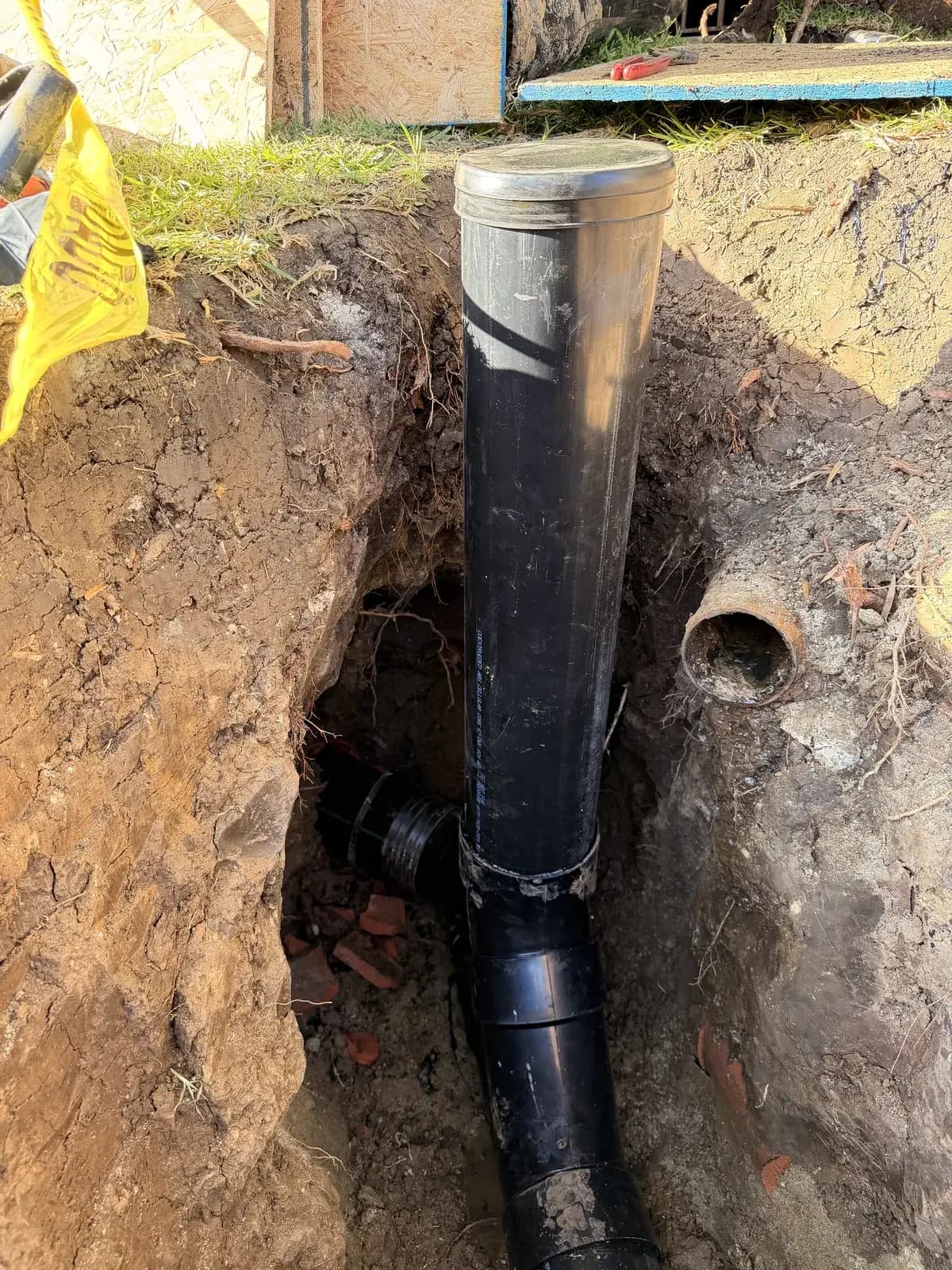
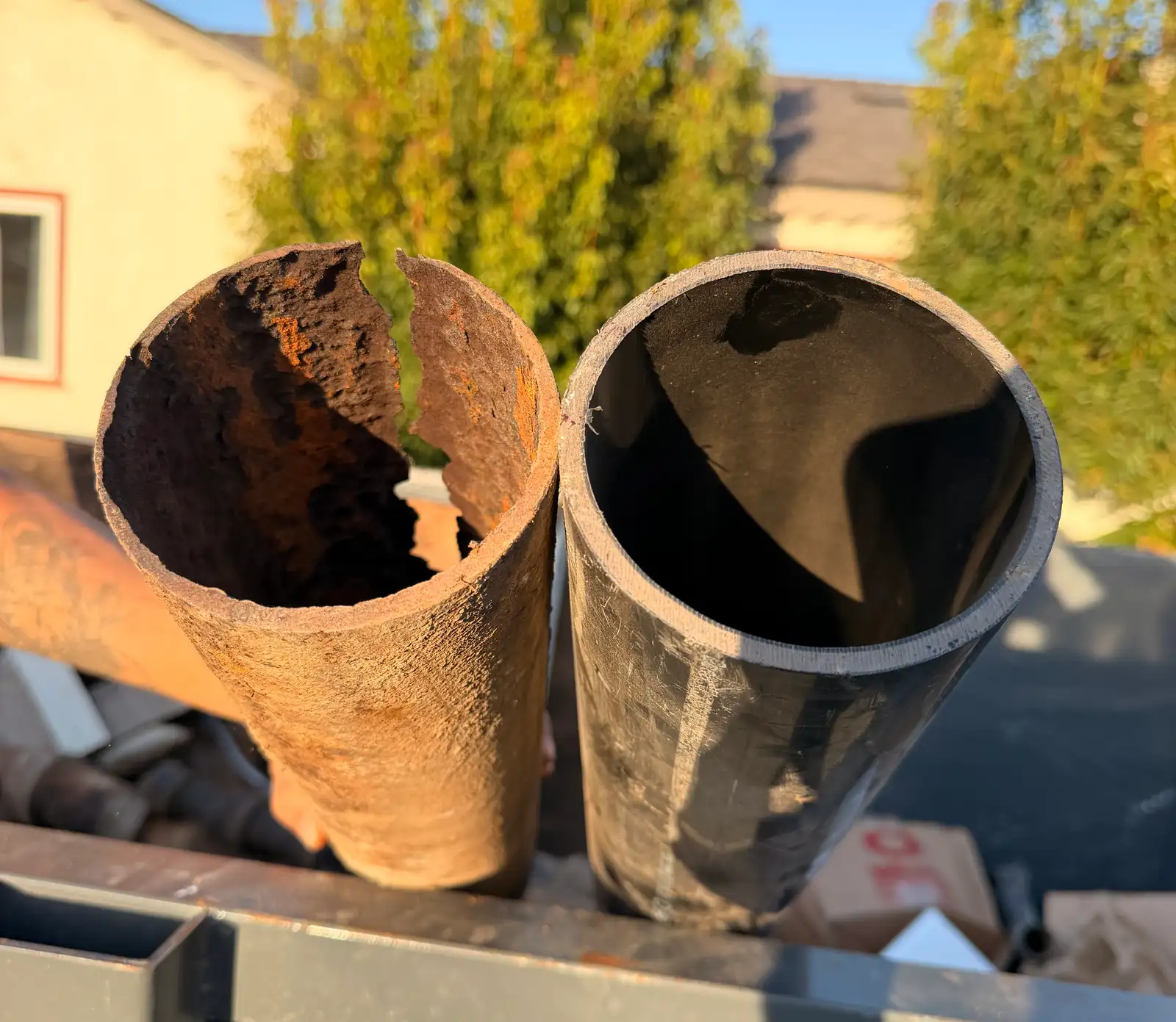
- Excavation, new line at correct grade, and connection at both ends
- Bedding, backfill and compaction
- Surface protection over everything we are not opening
- The permit and the inspection
- A camera run afterwards, and you keep it
What is not
- Replacing landscape, turf, concrete, pavers or irrigation that the trench goes through. Quoted separately once the route is marked
- Work on the city's side of the connection
- Restoring a converted yard to the water district's rebate conditions, unless it is quoted in
What the trench actually costs you
A trench across a front yard here often crosses drip irrigation, decomposed granite, boulders set as part of a conversion, or a paver walk. Those are real costs and they belong in the quote, not in a conversation afterwards.
If your yard was converted under the district's rebate, the agreement has conditions on the converted area and, in some cases, a right of entry. Tell us before we mark the route.
What to ask anyone quoting this, us included
- Why open cut rather than lining or bursting?
- What exactly does the trench cross, and what does it cost to put back?
- Where does the city's responsibility start?