
What the work is
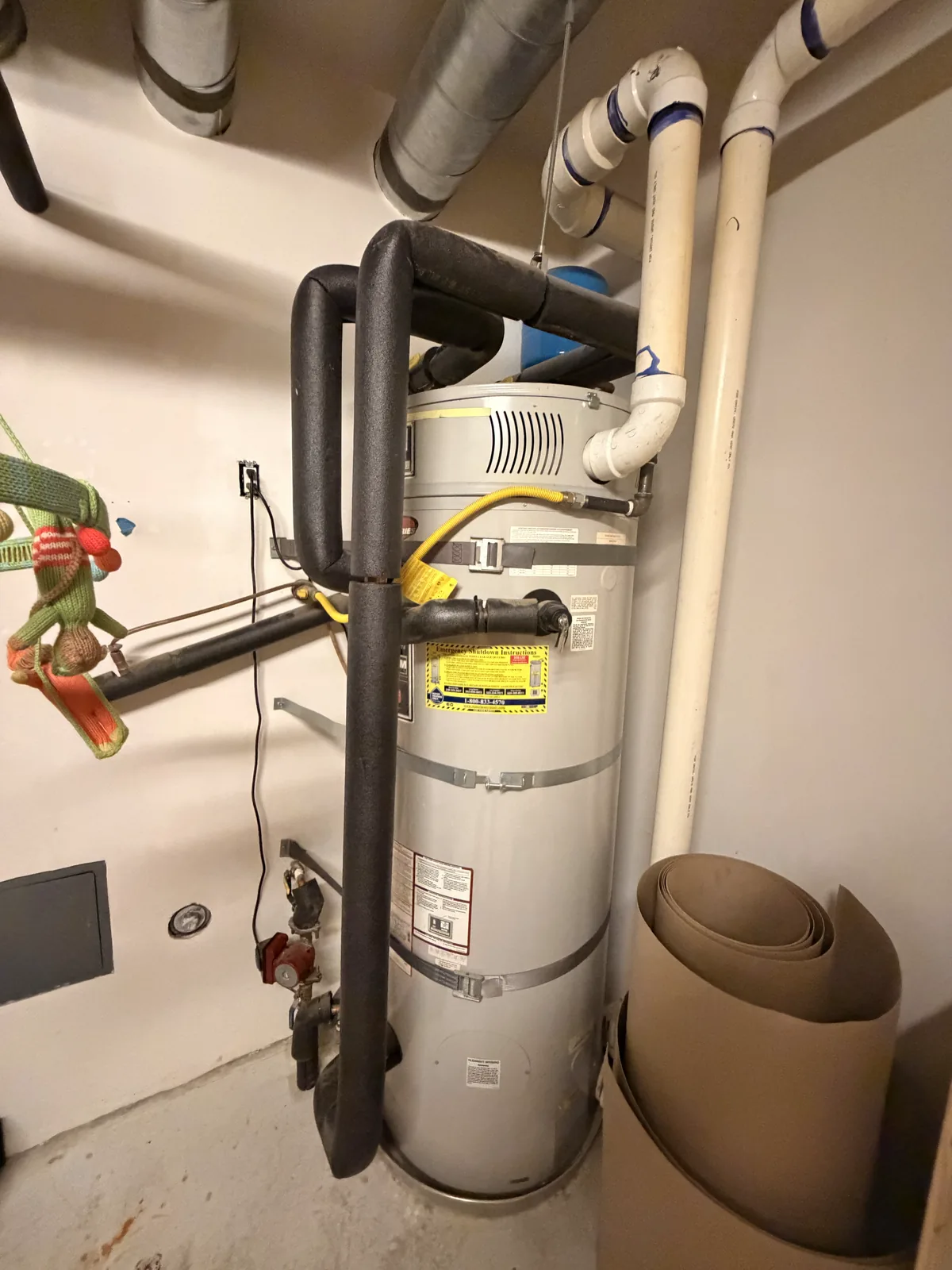
A recirculation pump moves hot water around a loop, or back down the cold line on a comfort system, so the water at the far fixture is already hot when you open the faucet. On a long single-story house, which is most of the housing stock here, the wait at the far bath can be substantial.
There are two ways to do it and they suit different houses. A dedicated return loop is better and needs a return line, which usually means it has to be planned in. A crossover valve at the far fixture uses the existing cold line and can be retrofitted, at the cost of warm water at the cold tap for a moment.
Either one should be on a timer or a demand control. A pump running around the clock costs energy and moves hard water through the heater continuously.
What is included
- The pump and the control, installed and set
- A timer or demand control rather than continuous running
- Crossover valve at the far fixture on a comfort system
- Setting the schedule with you and writing it down
What is not
- Running a dedicated return line, which is a separate and larger job
- Electrical beyond a nearby existing receptacle
- Insulating the hot water lines, quoted separately and usually worth it
What we will tell you first
On very hard water, a recirculation system moves more water through the heater and through the loop than a house without one. That is a real trade: convenience against scale. If you are putting one on a tankless unit, treat the water and check that the unit is rated for recirculation, because not all of them are.
What to ask anyone quoting this, us included
- Dedicated loop or crossover, and why that one for my house?
- What is the control, and what schedule will it run?
- Is my heater rated for recirculation?