What the work is
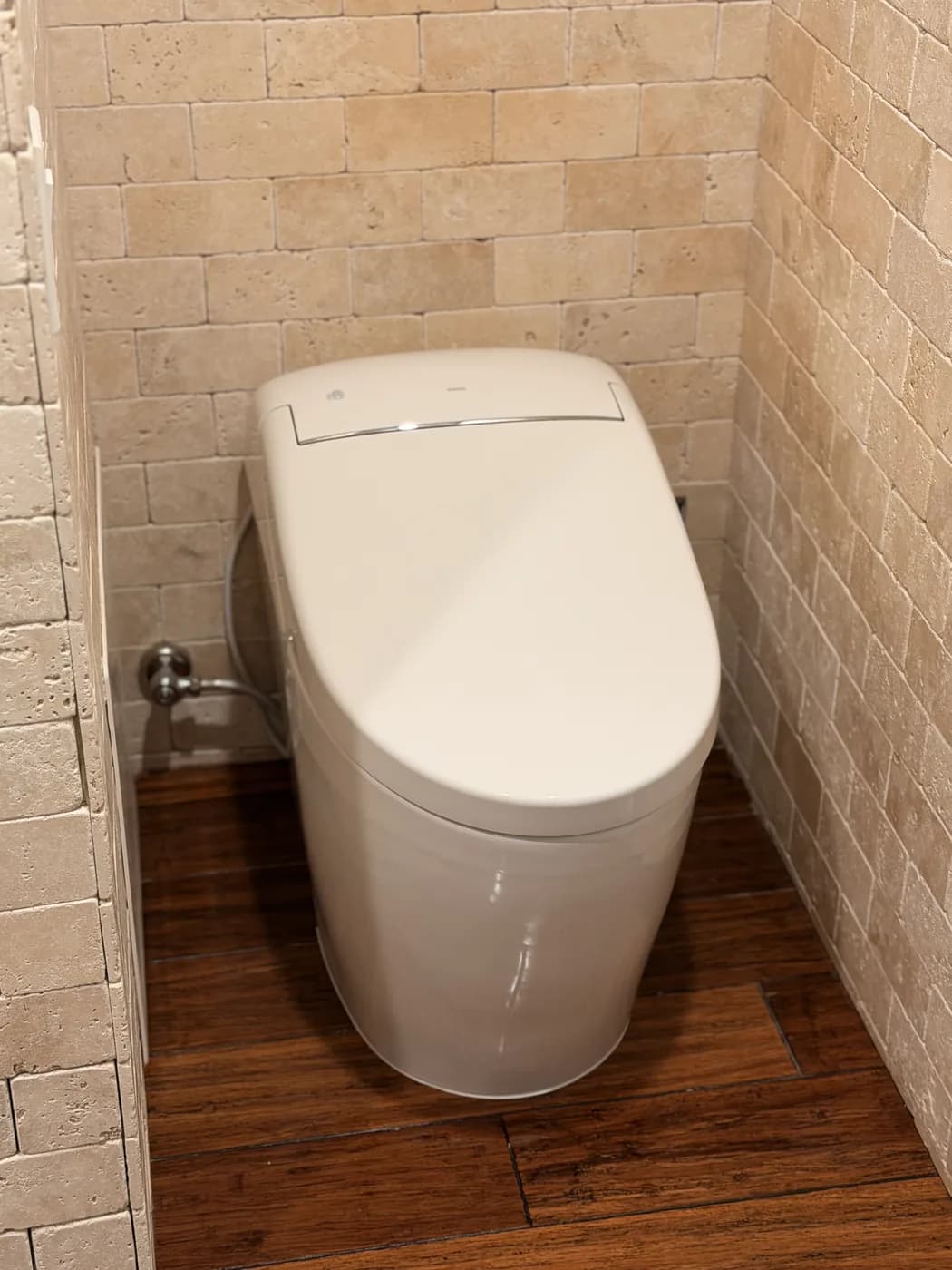
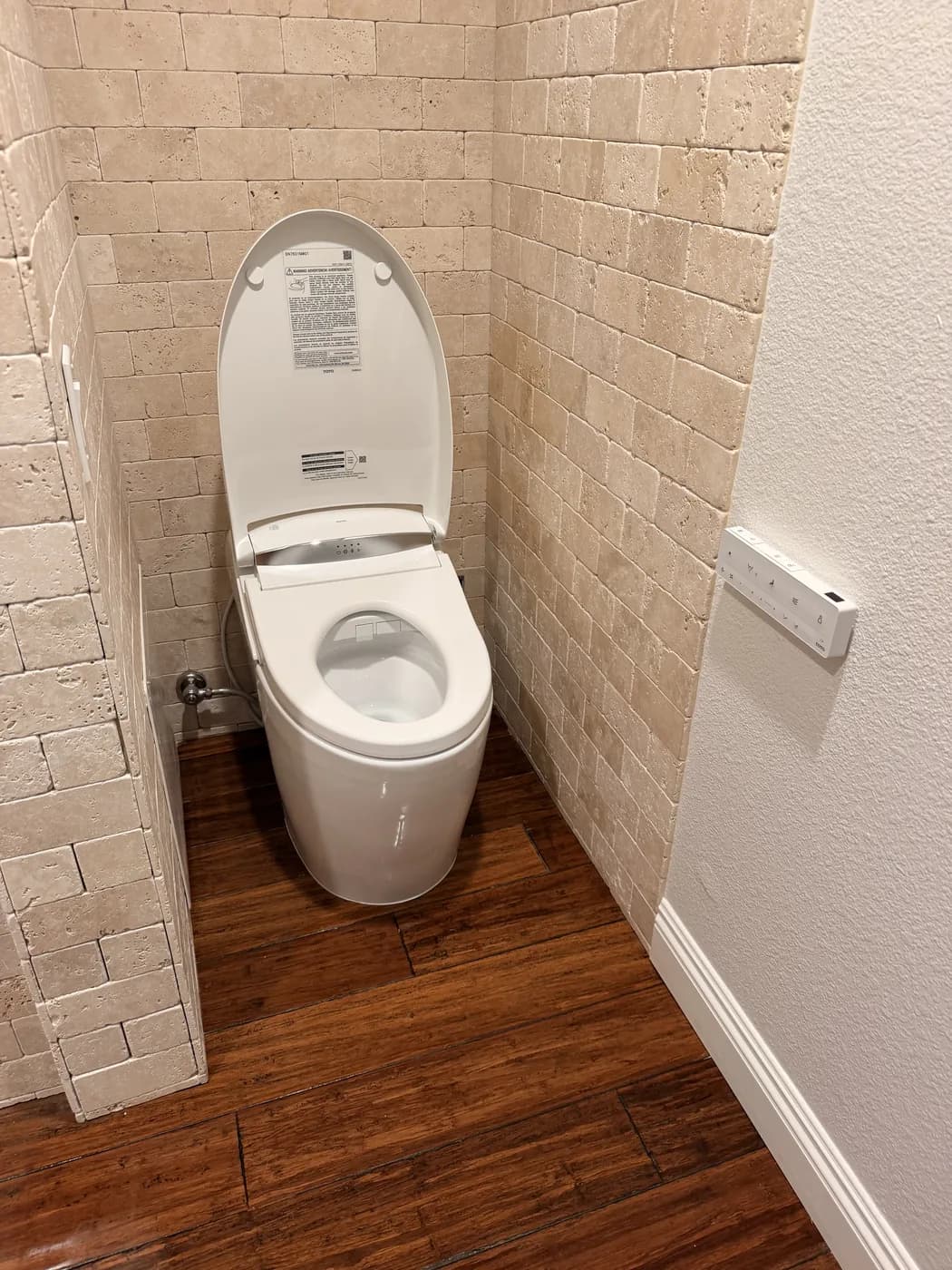
Setting a toilet is not difficult. Setting one that does not rock, does not weep at the base two years later and has a shutoff that turns when you need it is a slightly different job.
So the flange gets inspected before anything is set. A flange that has corroded, cracked or sits below the finished floor is the reason most toilets leak, and putting a new toilet on a bad flange just buys time.
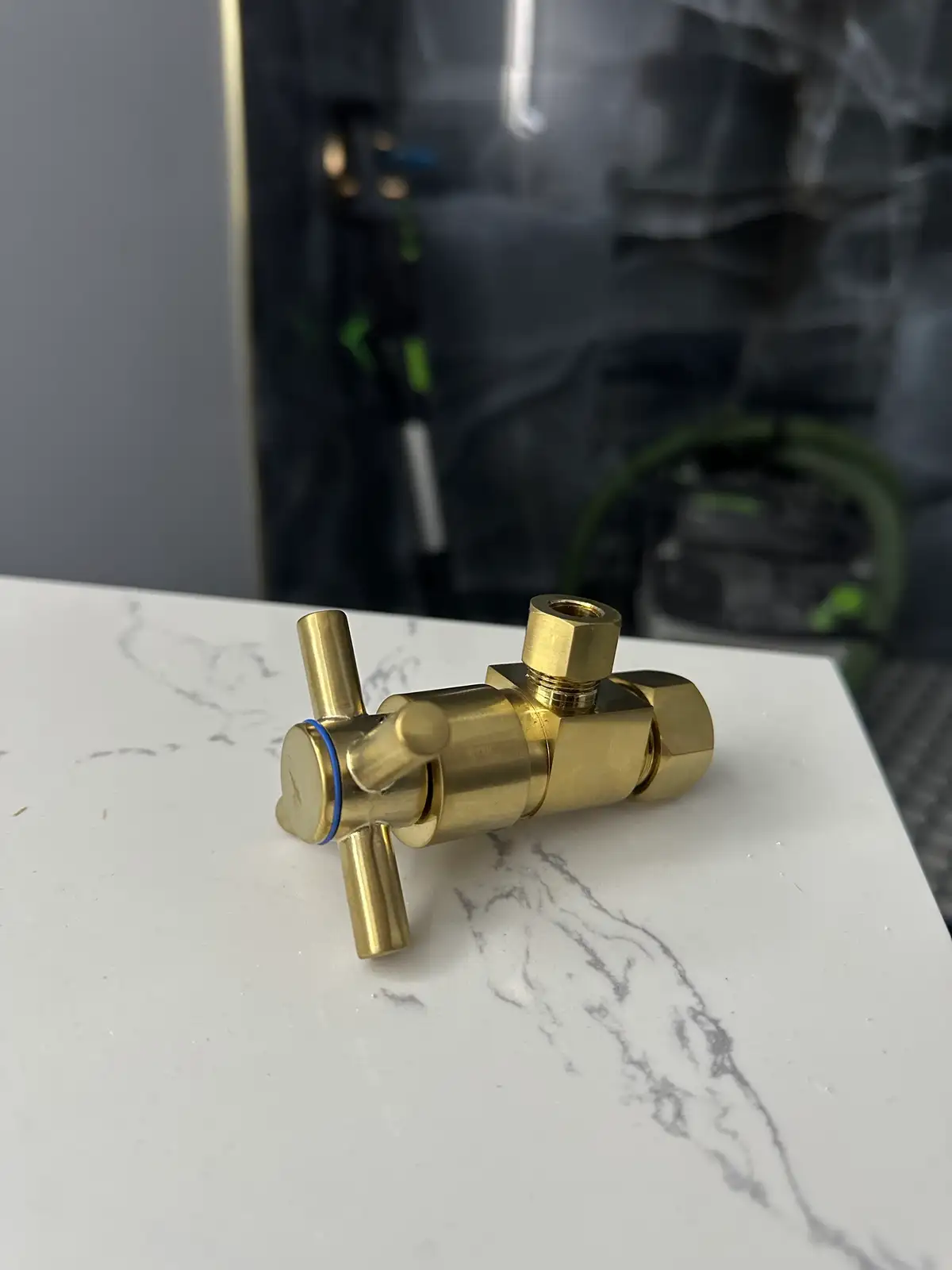
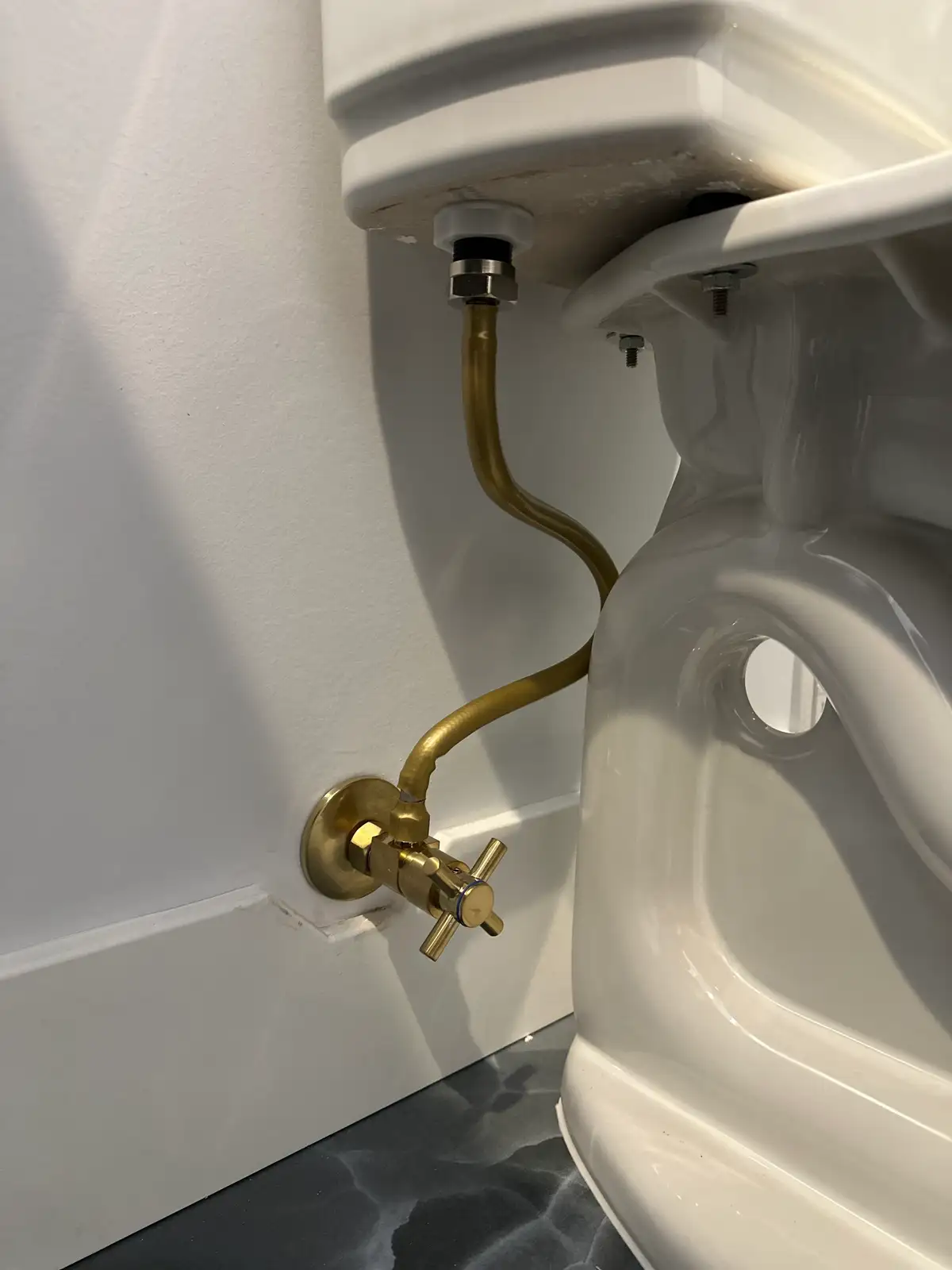
The angle stop and the supply line get replaced as a matter of course. They are the cheapest parts on the job and the two most likely to be the reason you are calling someone at midnight.
What is included
- Removing and disposing of the old toilet
- Inspecting the flange and reporting its condition
- New wax or waxless seal, new bolts
- New quarter-turn angle stop and braided supply line
- Setting, leveling, shimming and sealing
- Testing under real use before we leave
What is not
- Repairing or replacing a failed flange, which we will show you and quote before we go further
- Flooring repair around the base
- Moving the drain
- The toilet itself, if you would rather we supply it we will price it
Two things worth doing at the same time
- If anyone in the house is finding the height a problem, a comfort-height toilet costs the same to install and is easier to get off. That is on the accessible living side of the business and it is the same visit.
- Ask what the flange looked like. On older houses here it is often the real story, and you want to know before it becomes a floor repair.
What to ask anyone quoting this, us included
- What condition is the flange in?
- Is a new angle stop and supply line included?
- Is it going to rock, and what did you shim it with?