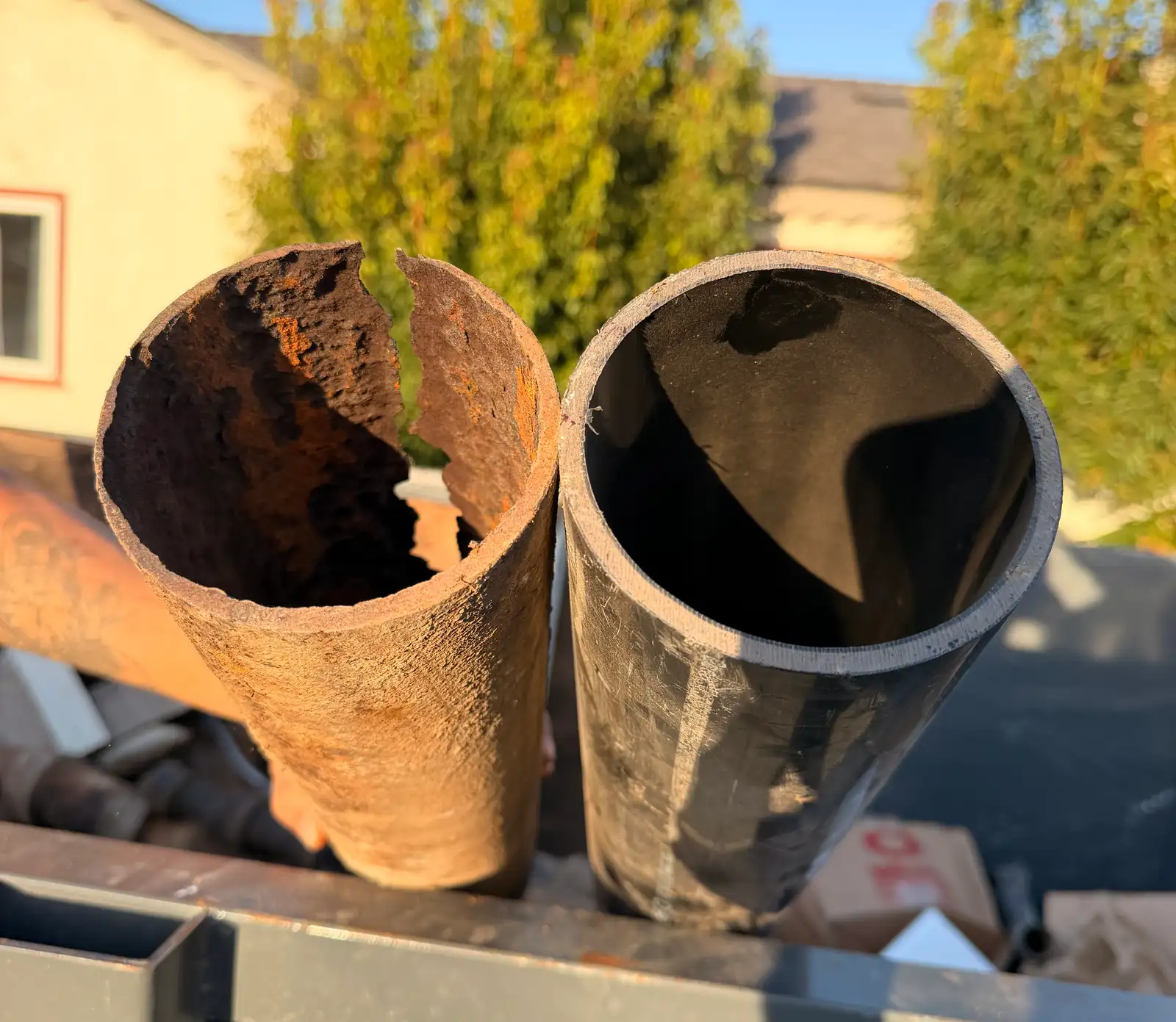
What the work is
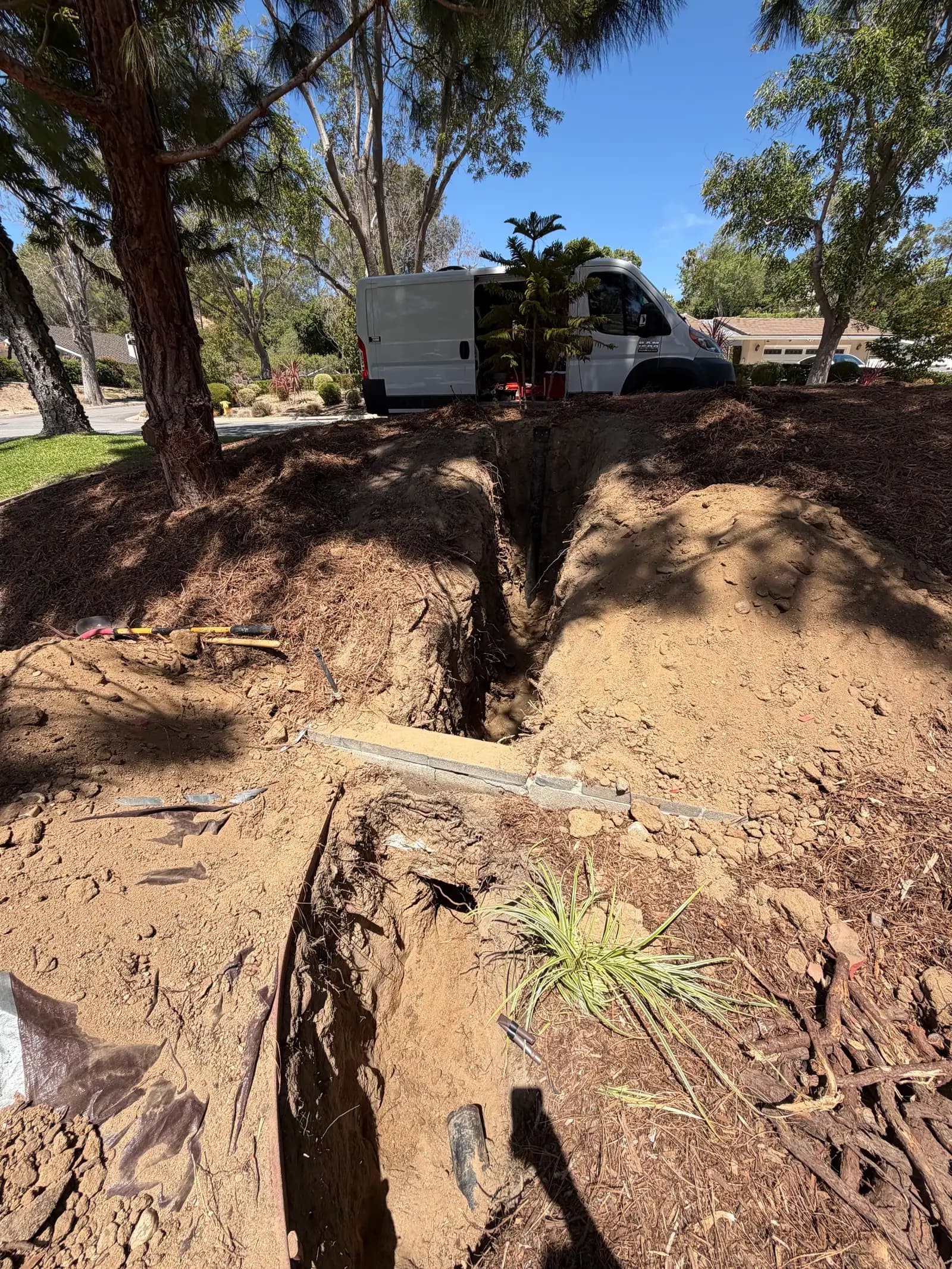
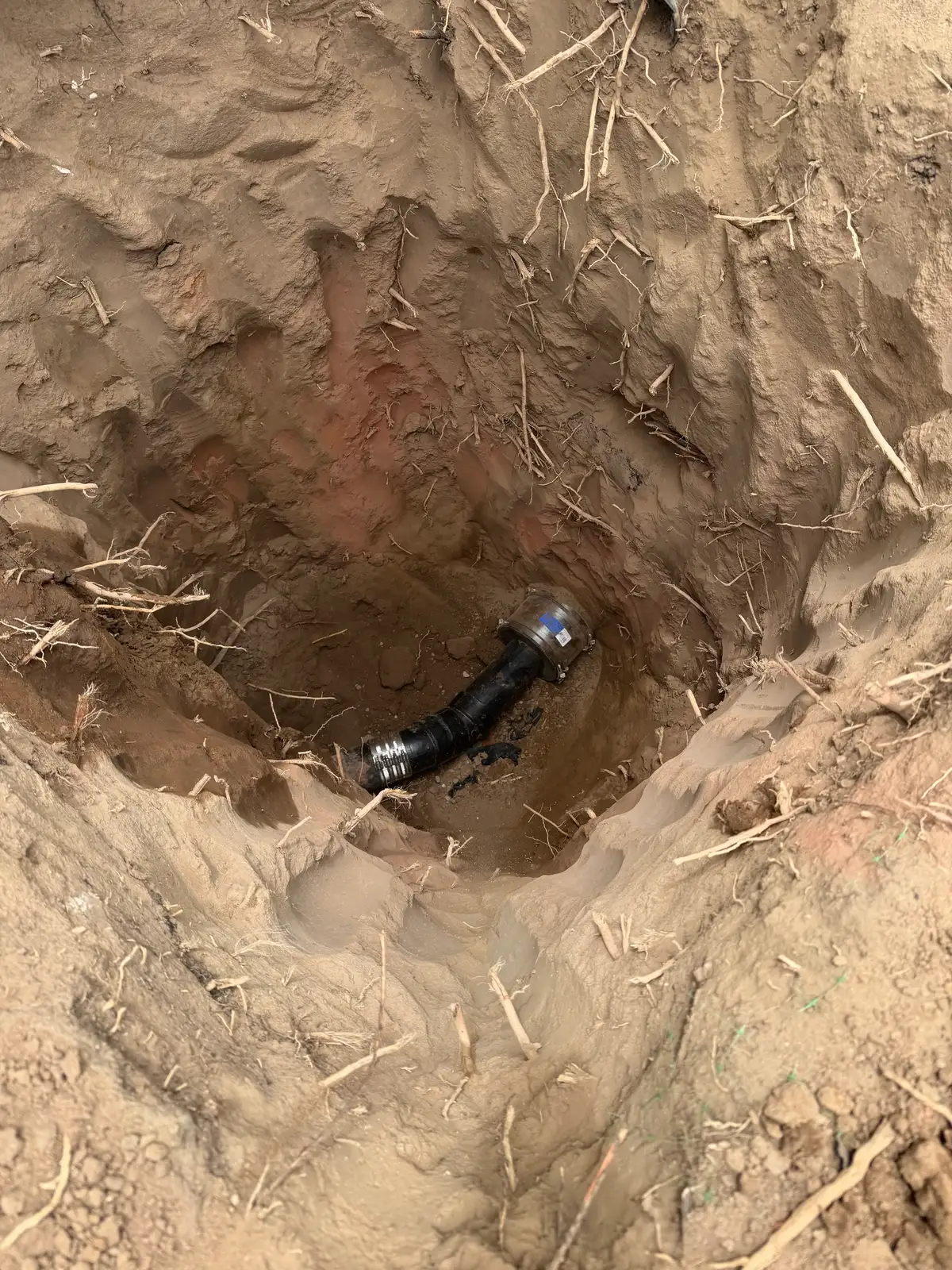
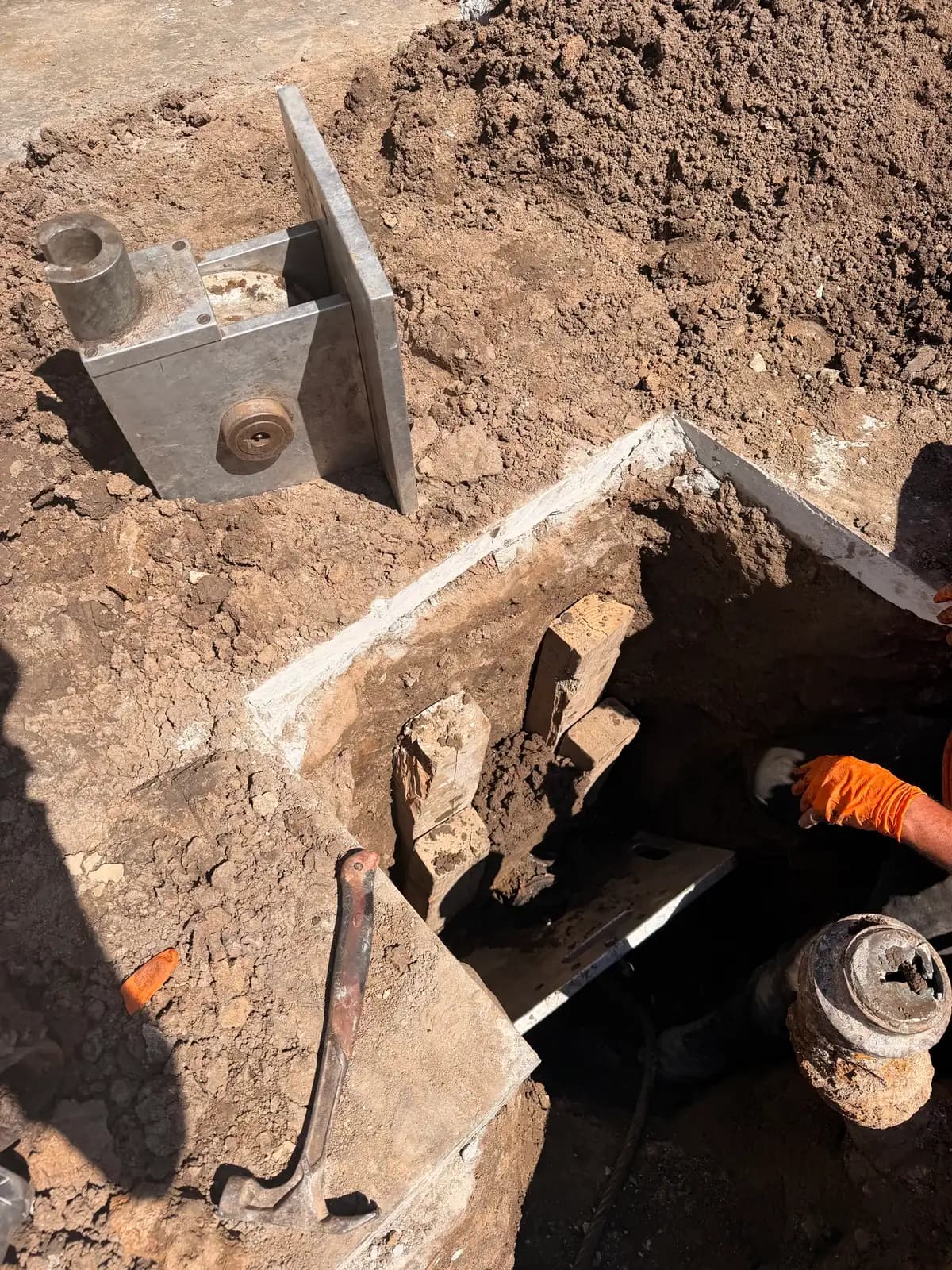
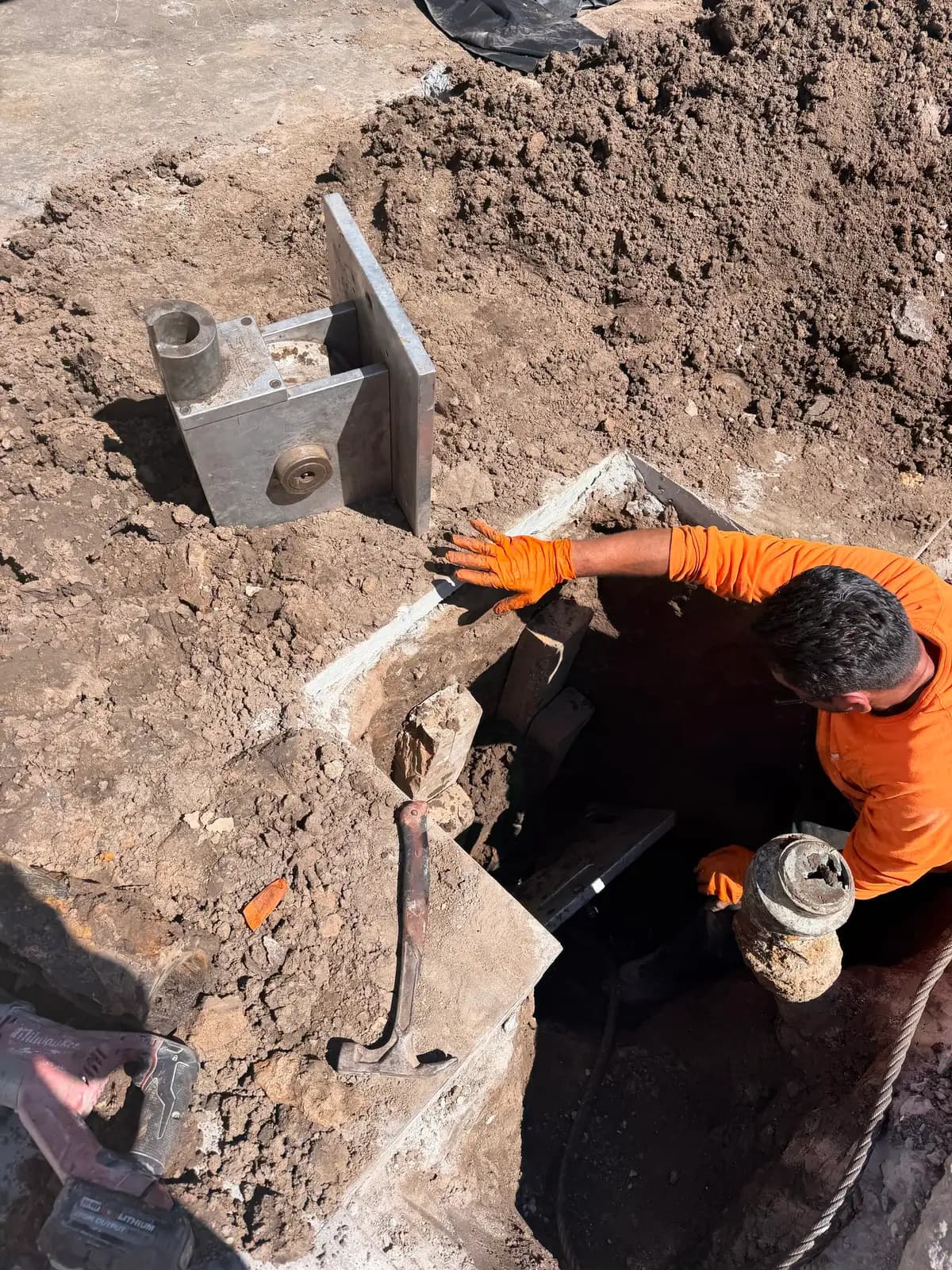
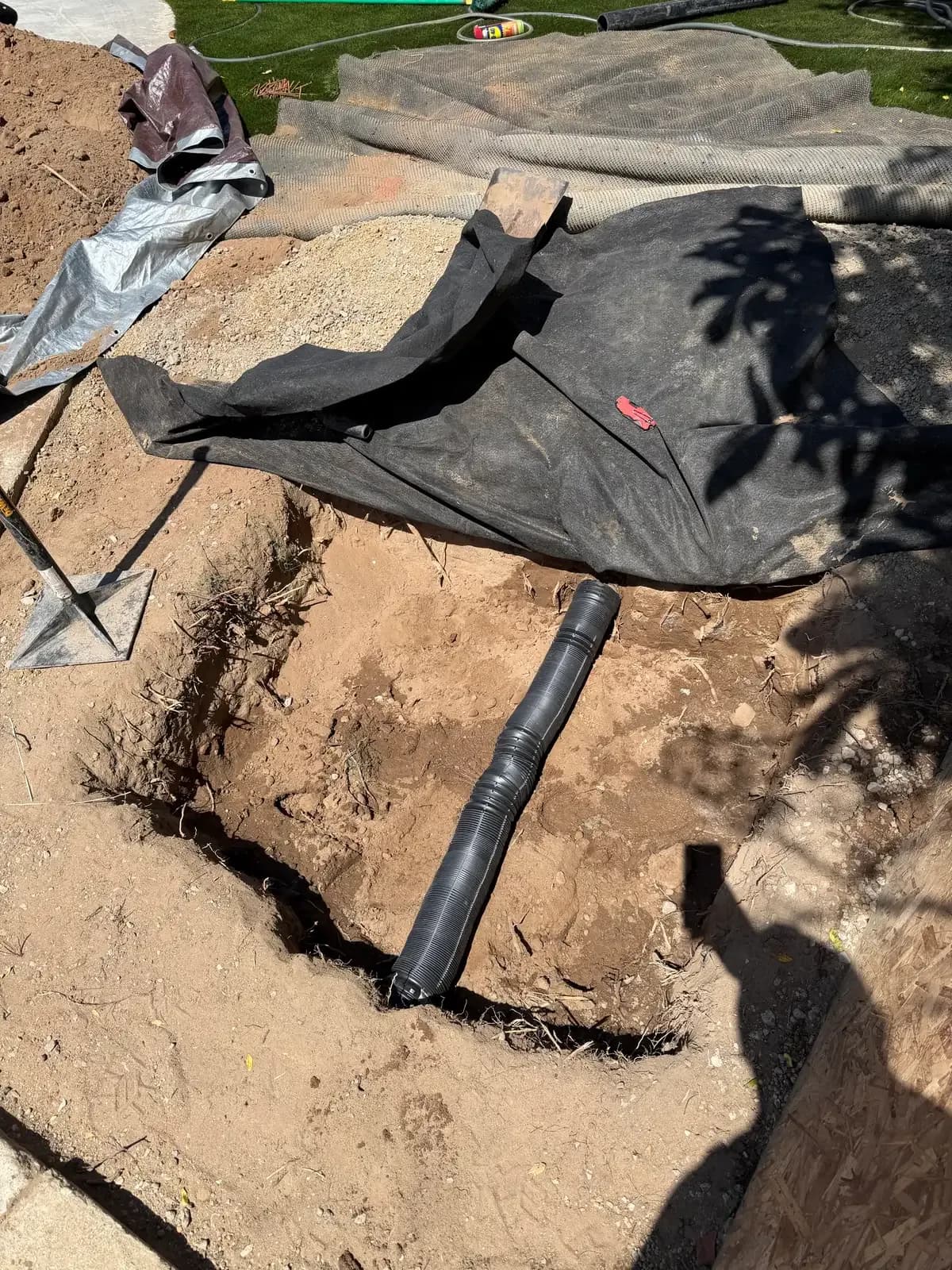
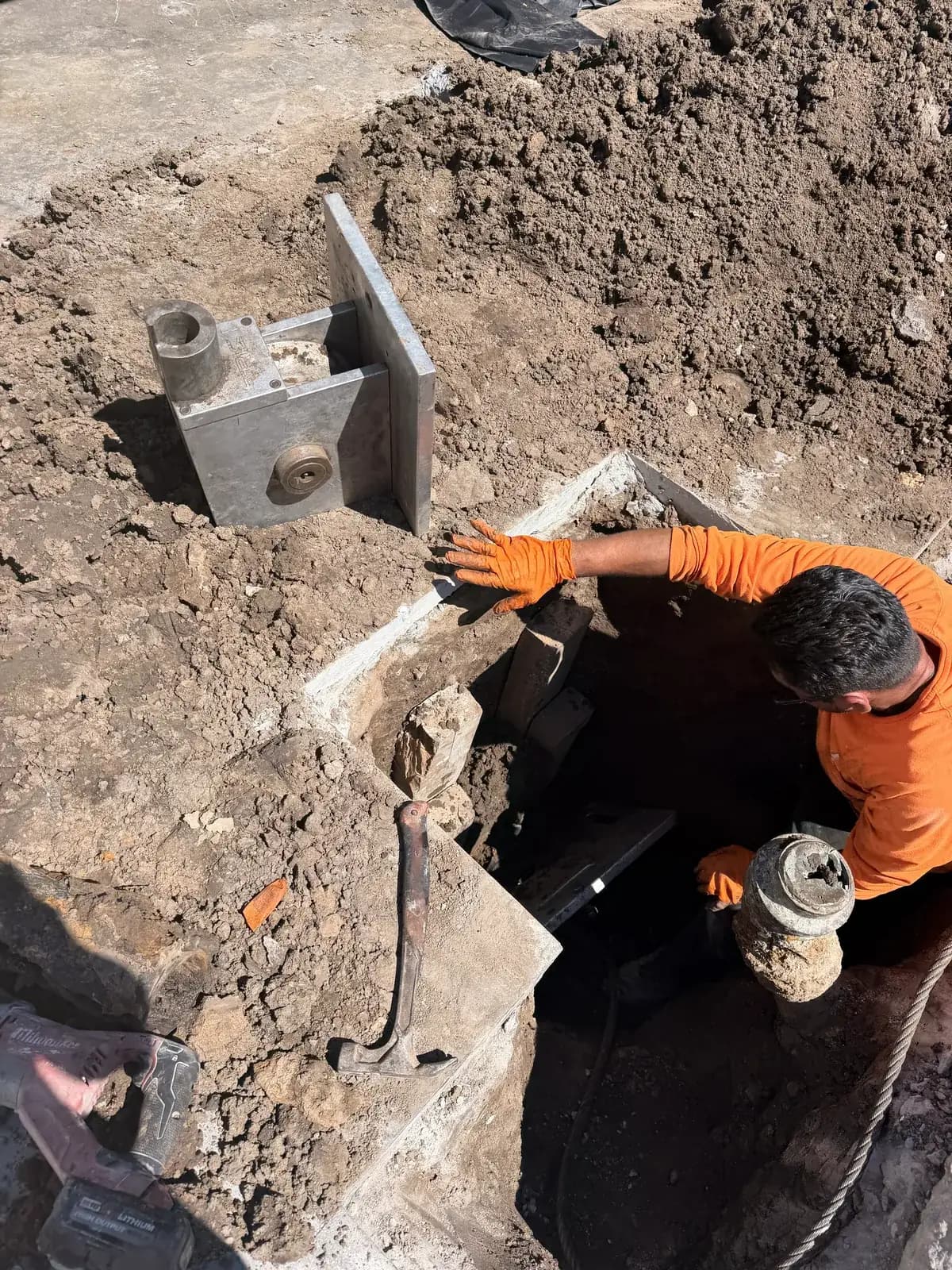
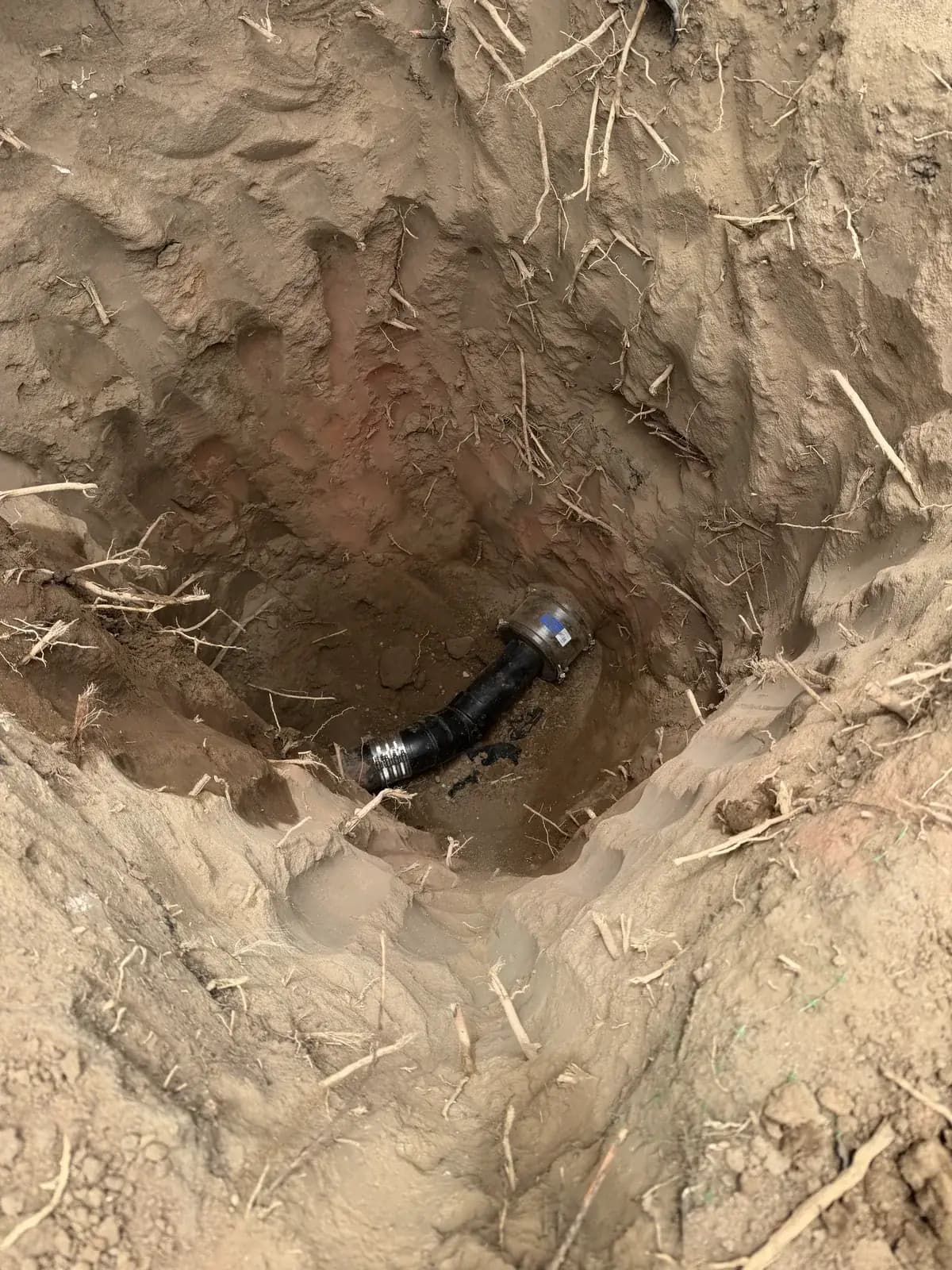
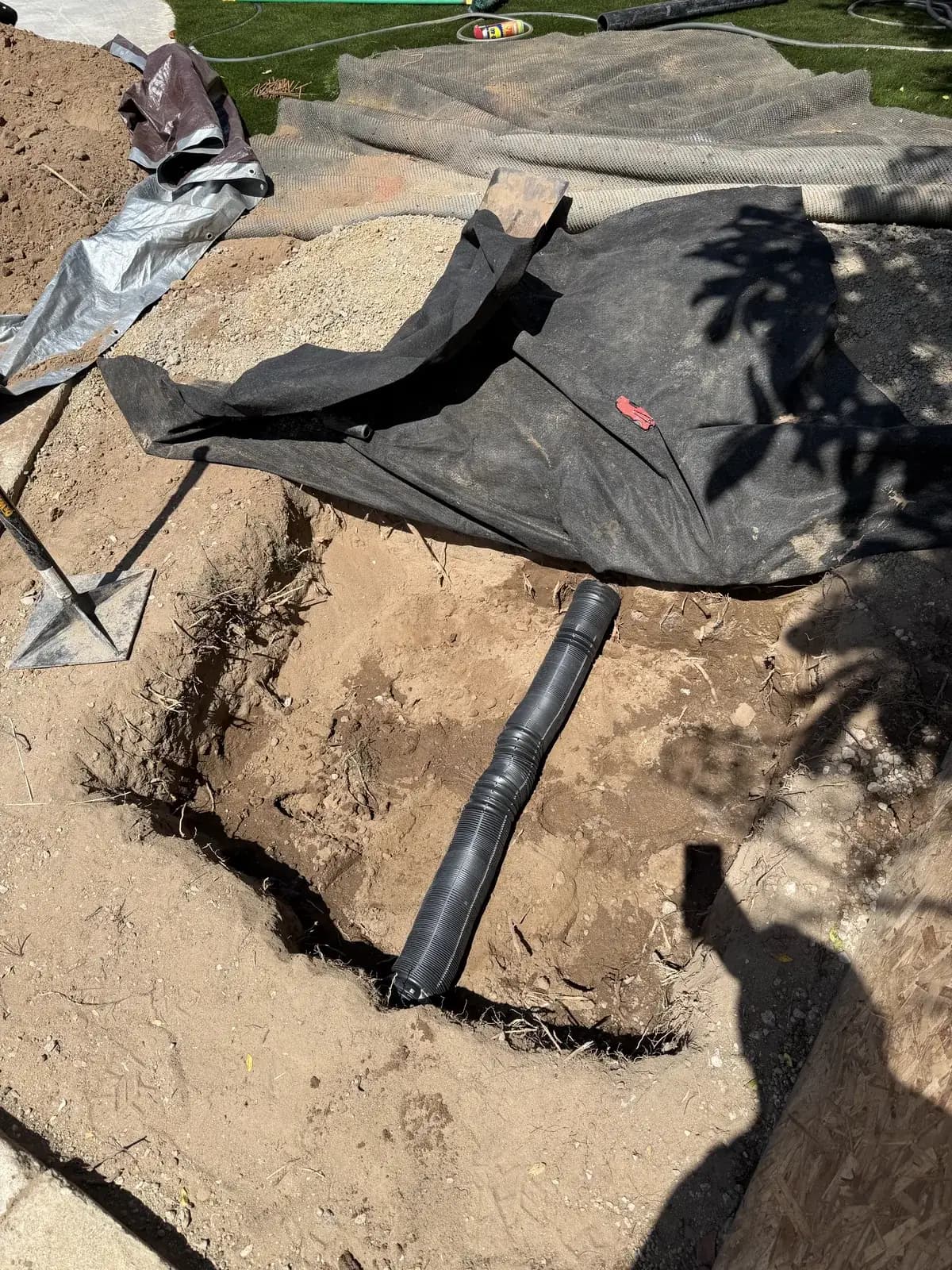
A bursting head is drawn through the old pipe, splitting it outward, while a new continuous polyethylene line is pulled in behind it. Two access pits, one near the house and one at the connection, instead of a trench the length of the run.
It is the right answer when the old pipe is beyond lining: collapsed sections, badly separated joints, or a material at the end of its life. It replaces the pipe rather than resurfacing it, and the new line has no joints along the run.
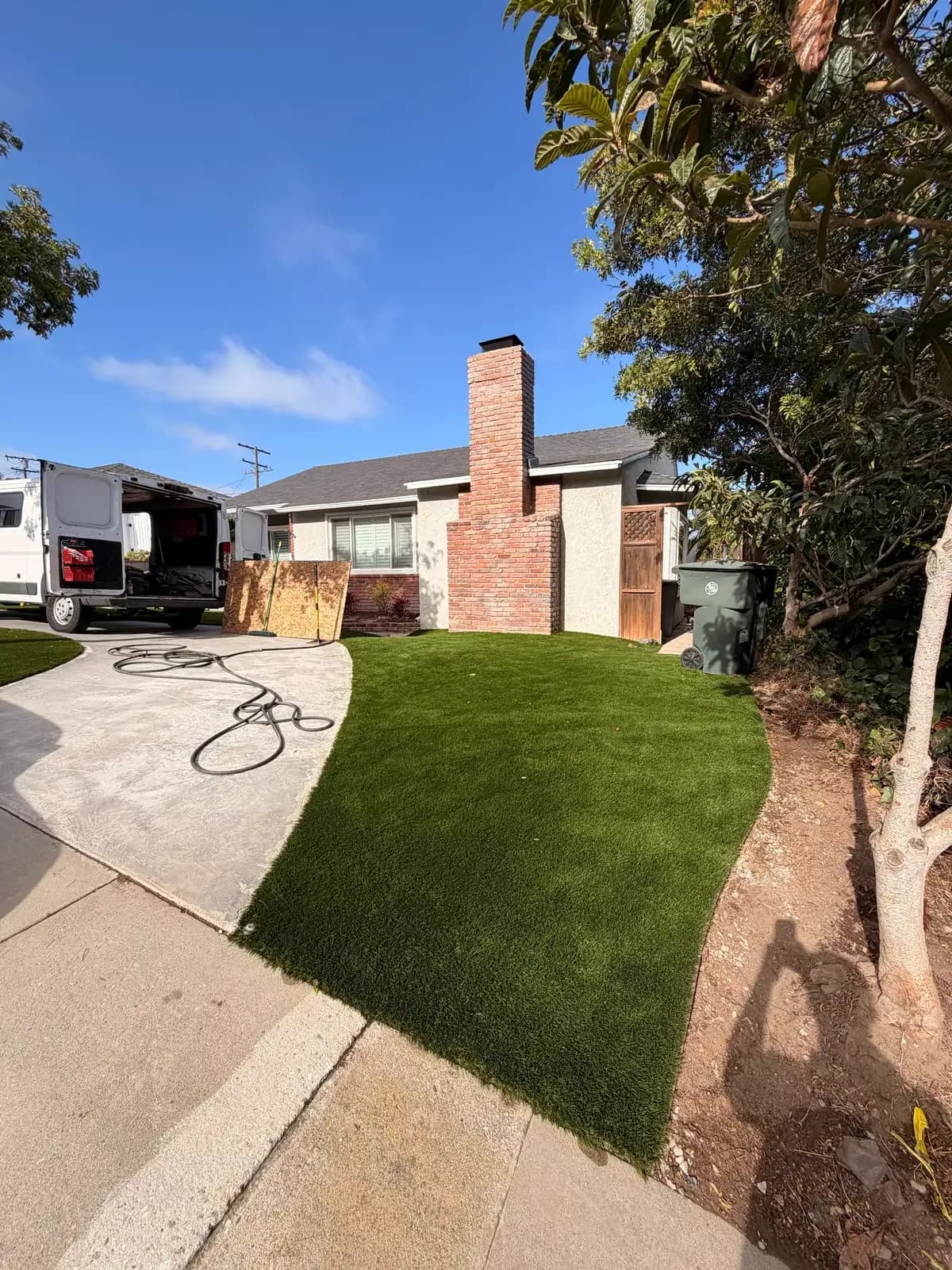
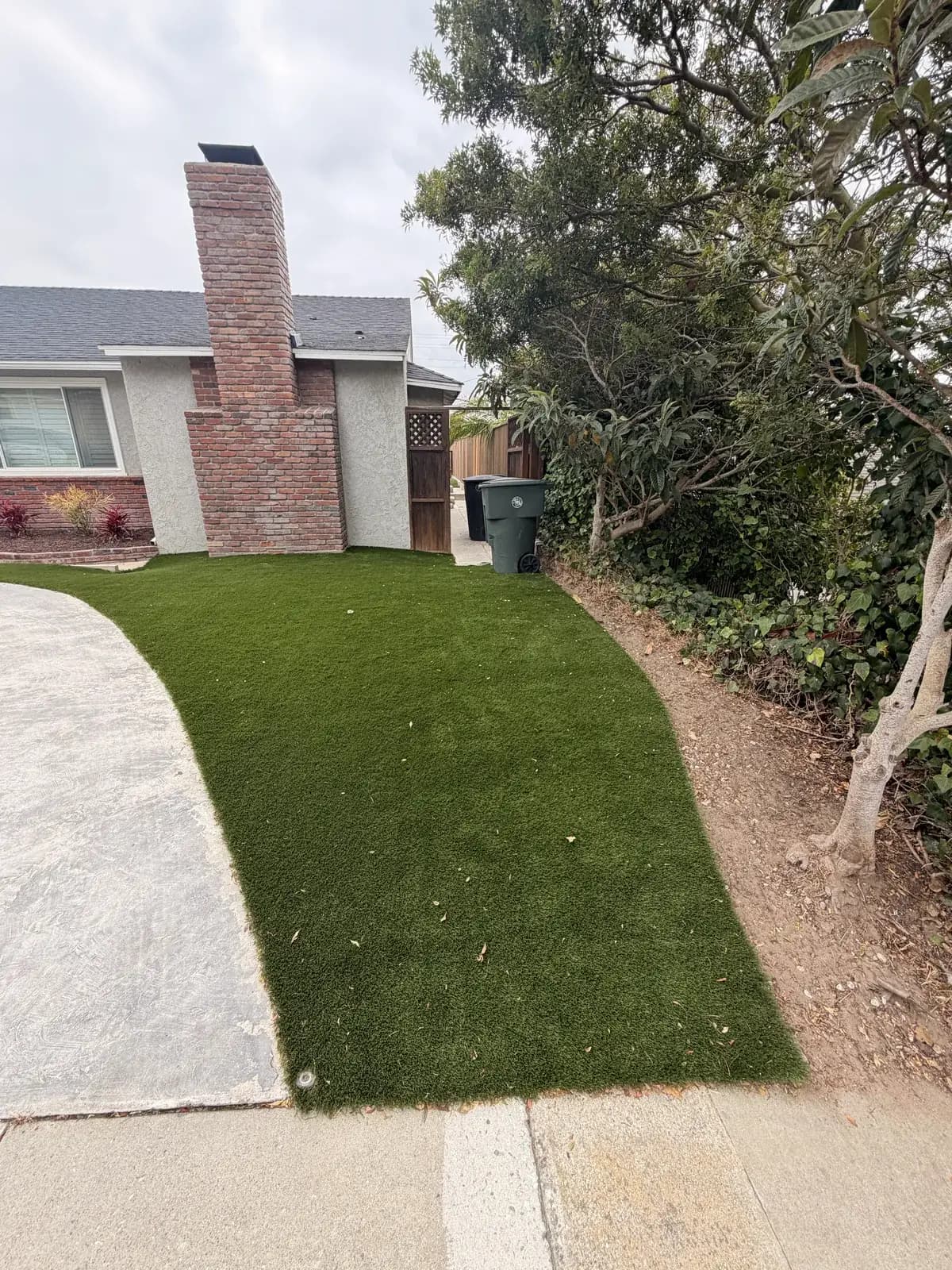
The reason to care is what it does not cost you. Driveways, mature planting, paver walks and converted front yards stay where they are.
What is included
- Camera survey and locating before anything is opened
- Both access pits, excavated and backfilled
- The new continuous line, pulled and connected at both ends
- Surface protection over the work area
- A camera run afterwards, and you keep the recordings
- Backfill and compaction
What is not
- Replacing driveway, paver or concrete surfaces where a pit has to go through them. Quoted once the line is located
- Landscape replanting beyond restoring the ground
- Work on the city's side of the connection
- Bursting where the ground or the utilities alongside will not allow it. We will tell you at the survey
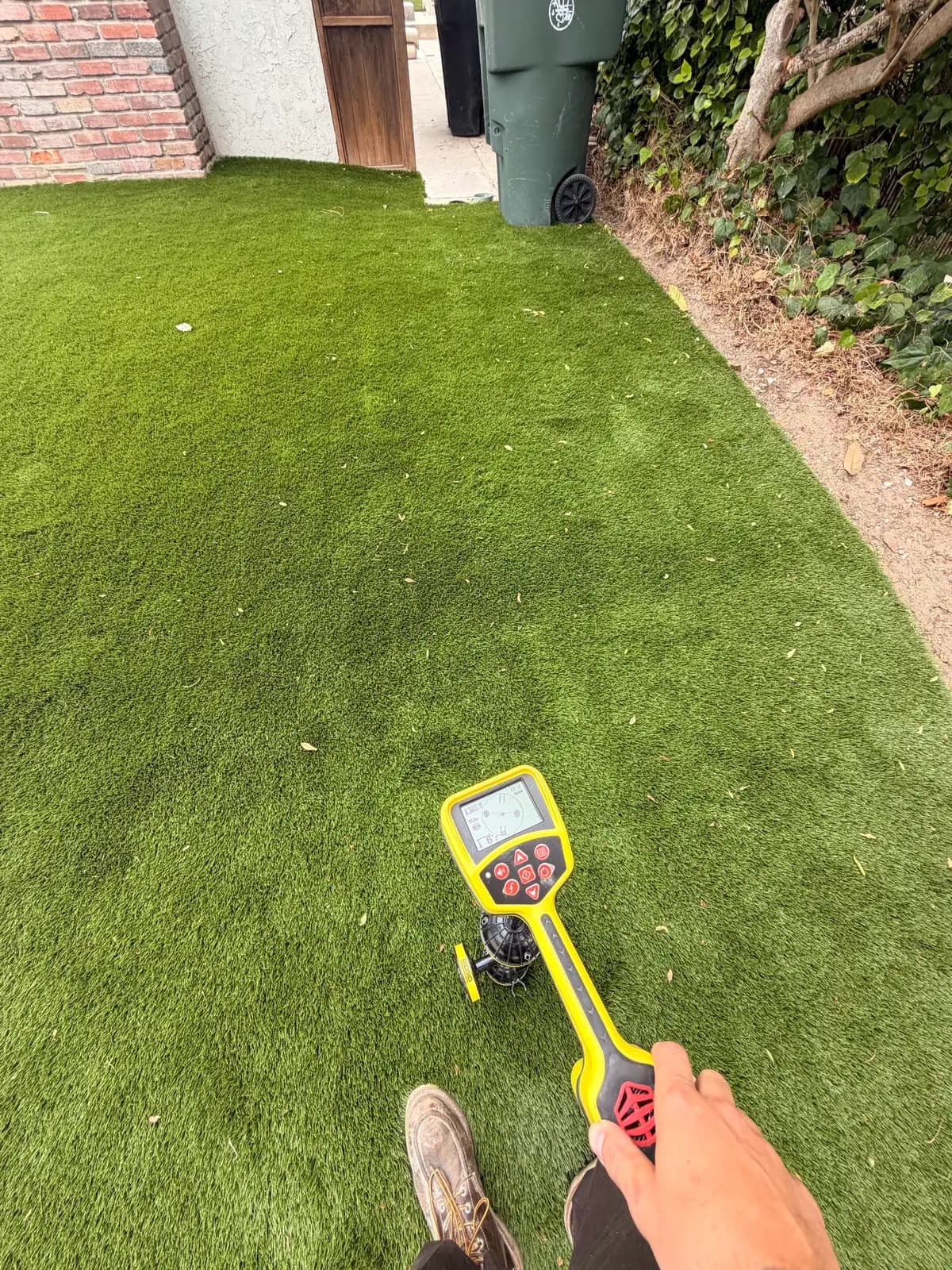
Locate first, always
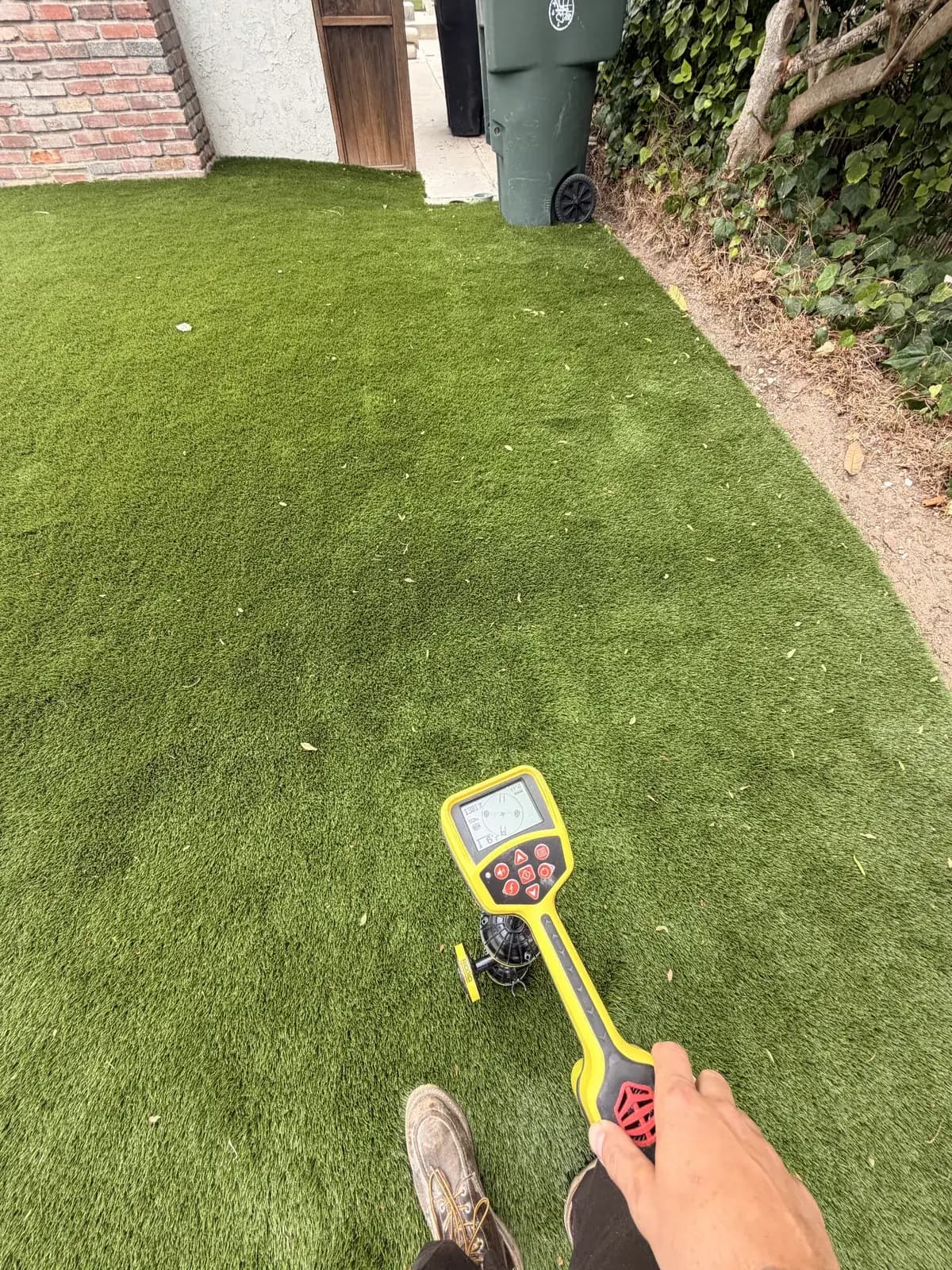
Other utilities run alongside sewer laterals, and bursting displaces the ground around the pipe as it goes. Locating is not a formality. We locate, and we tell you what is down there before we price the job.
Where the run crosses a converted front yard under the water district's rebate agreement, we plan the pits around it.
What to ask anyone quoting this, us included
- Where do the two pits go, and what is on top of them?
- What else is in the ground along this run?
- What is the new pipe material, and what does the manufacturer warrant it for?