What the work is
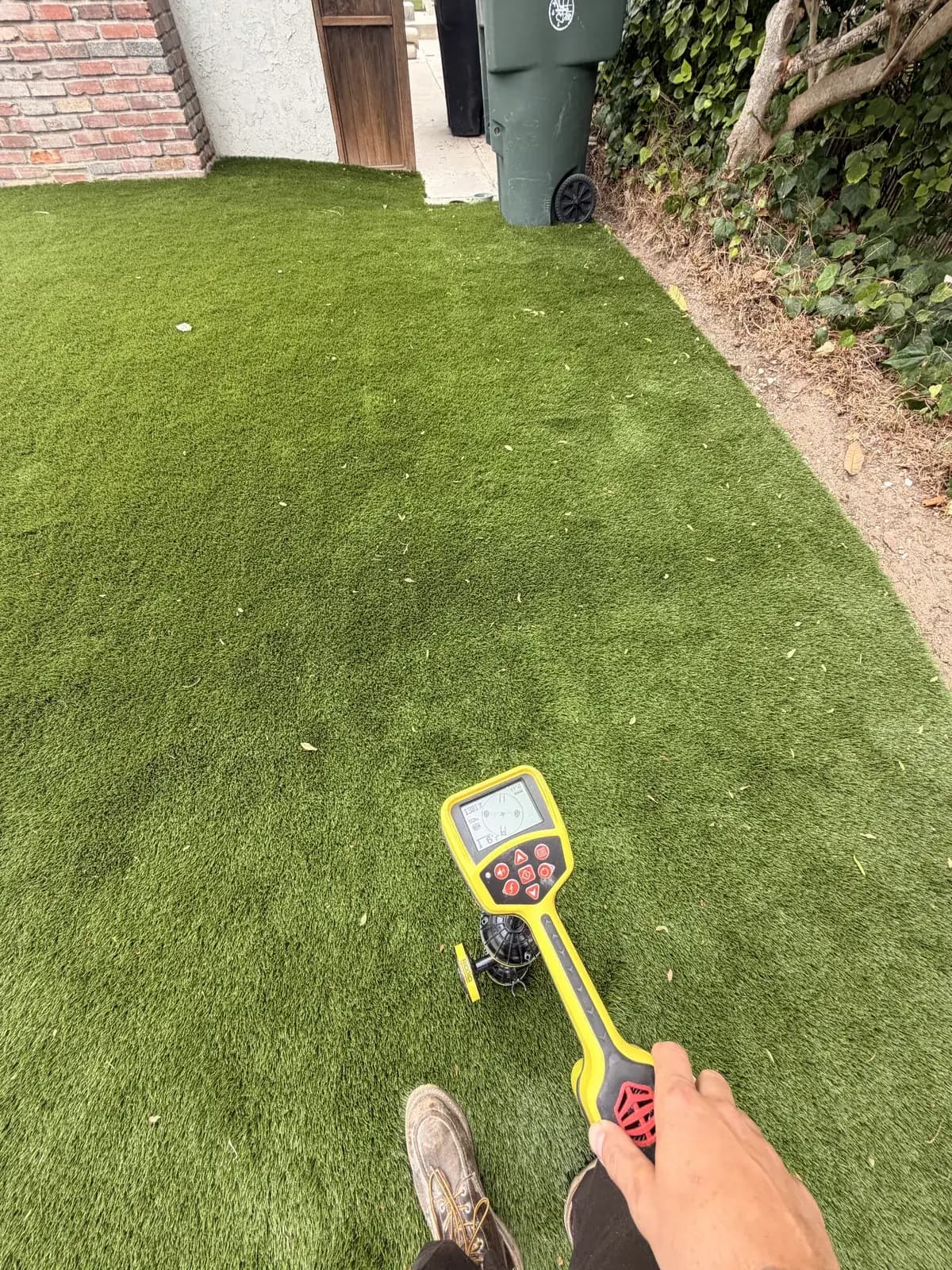
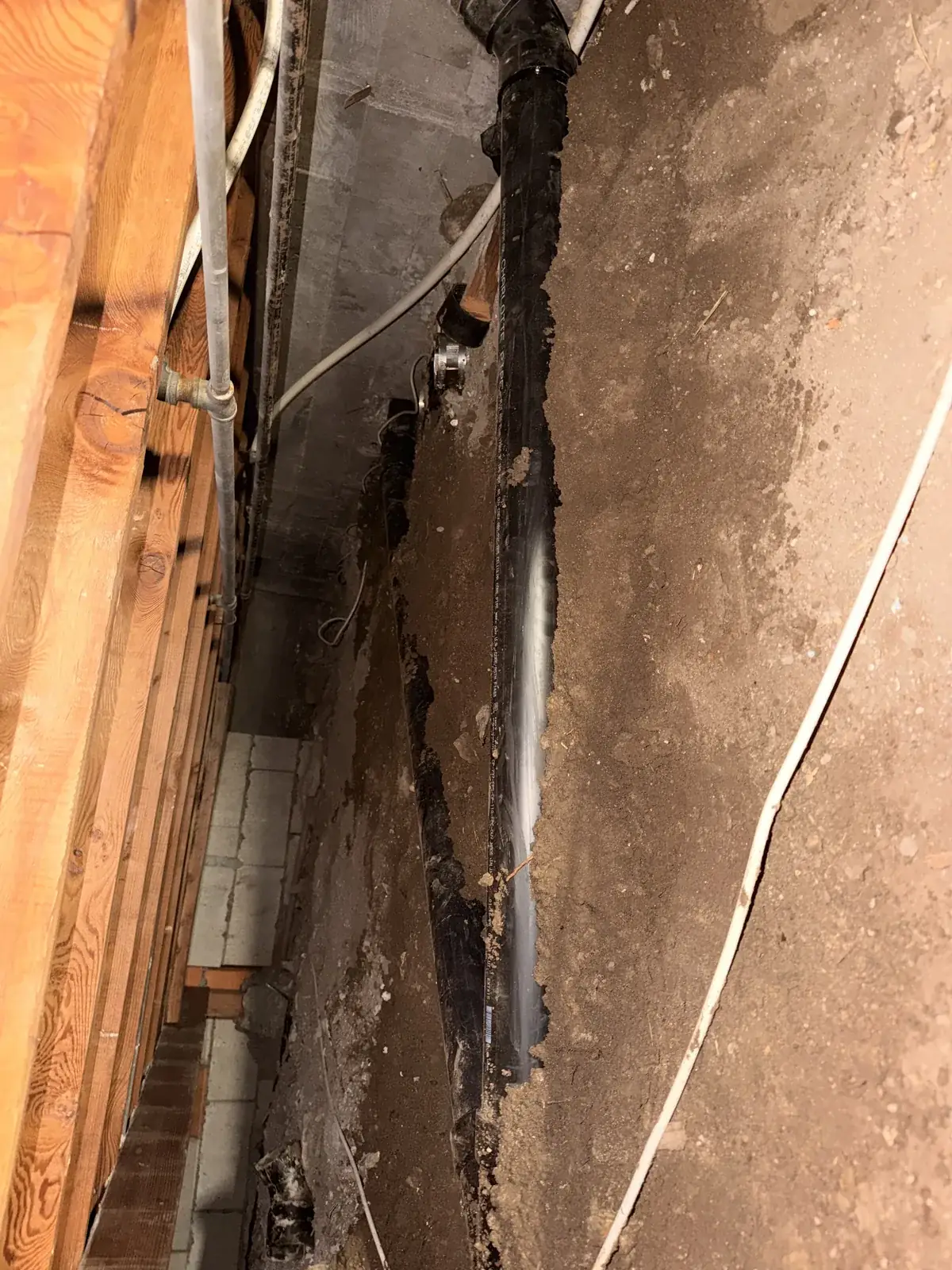
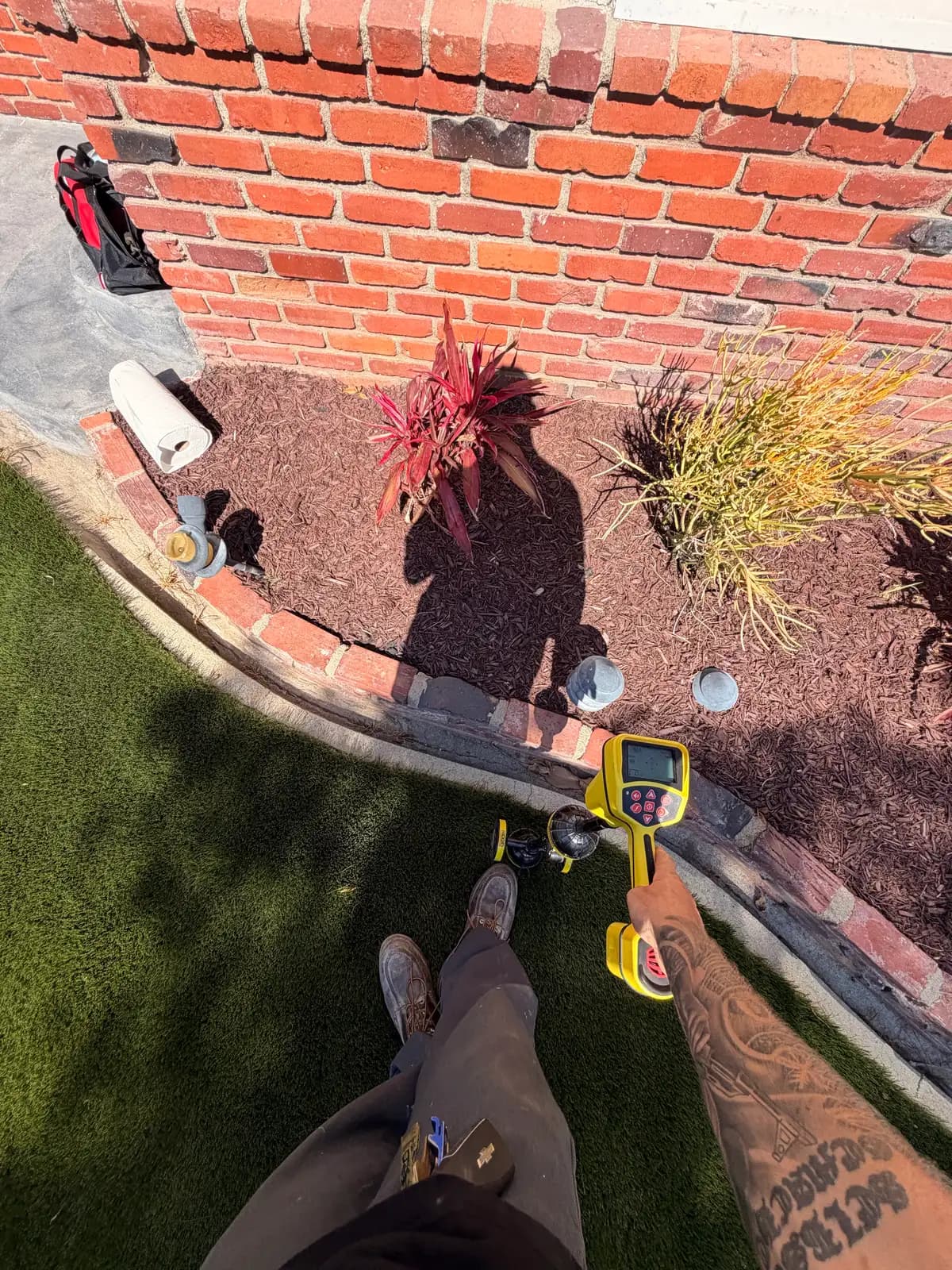
A leak you can hear but not see is found by narrowing it down, not by opening walls. We isolate sections, watch the pressure, listen acoustically, and mark the location on the surface.
You get the finding in writing with the location marked. That report is what you take to a repair quote, and to your insurer.
Some carriers give a discount for documented leak detection, which is worth one phone call to ask about. Nobody's policy obliges you to have it done, and if a contractor tells you your insurer demands it, ask them to show you where.
What is included
- Isolating and pressure testing the system in sections
- Acoustic location and surface marking
- A written report with the location and what we based it on
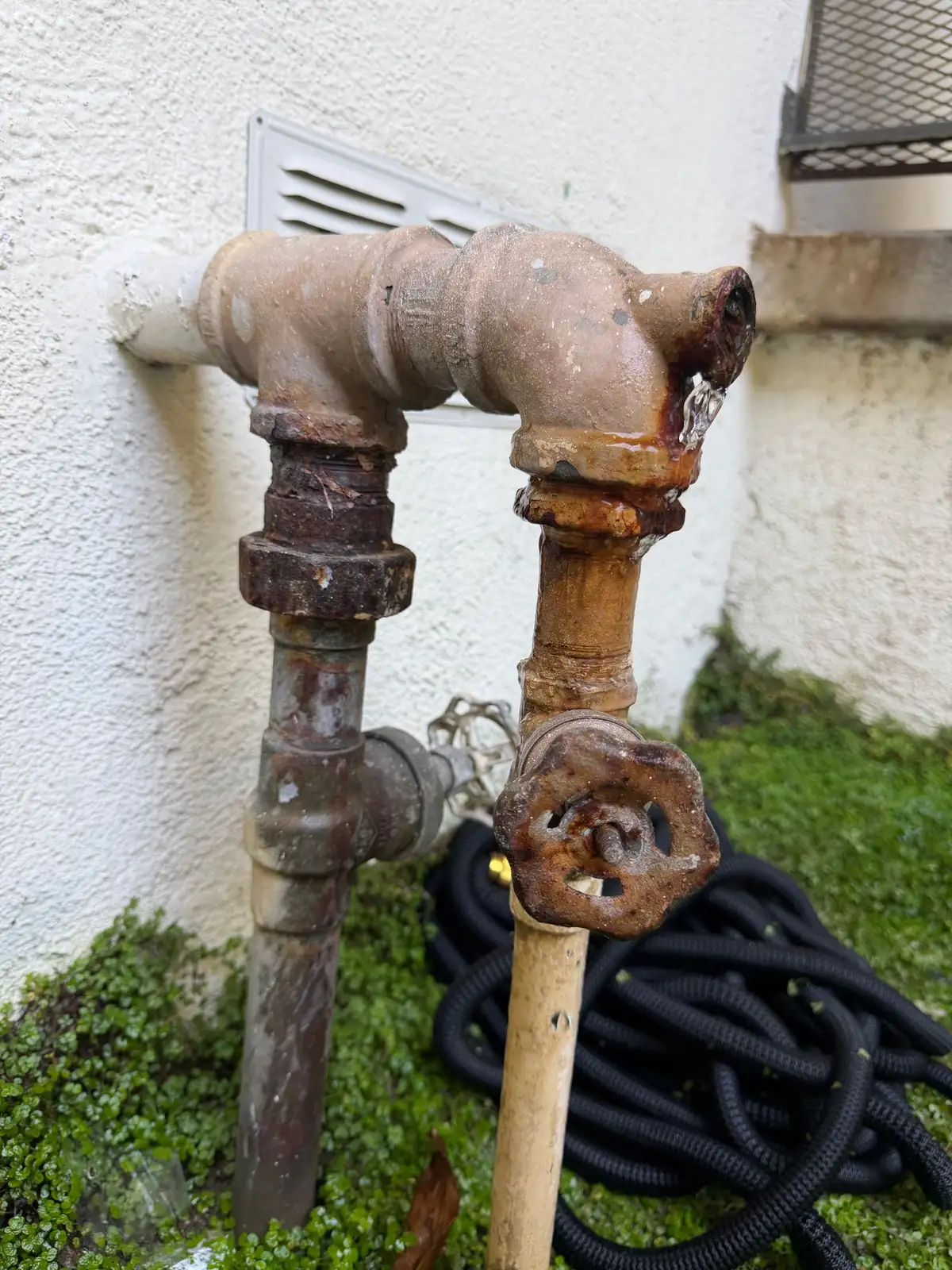
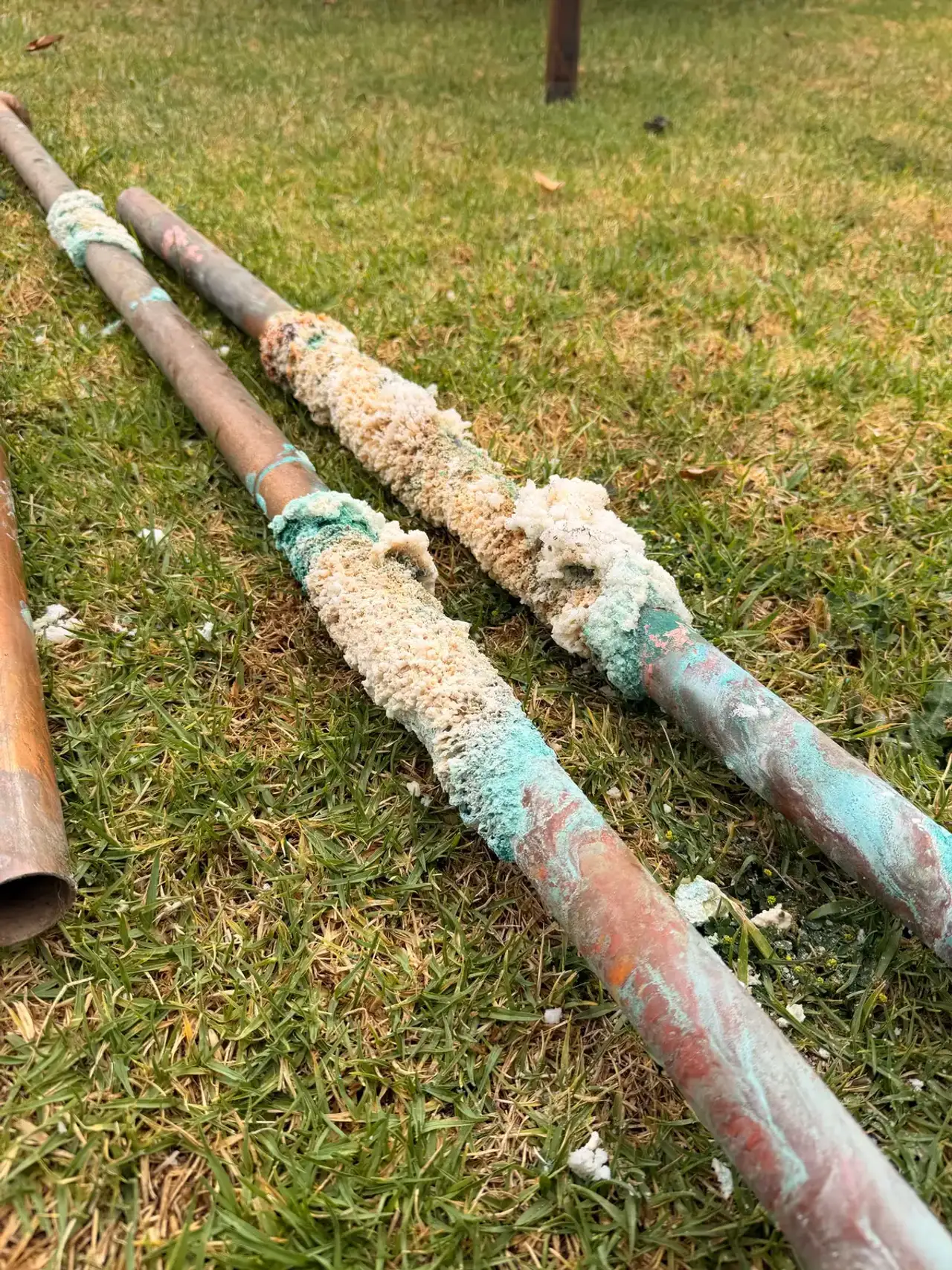
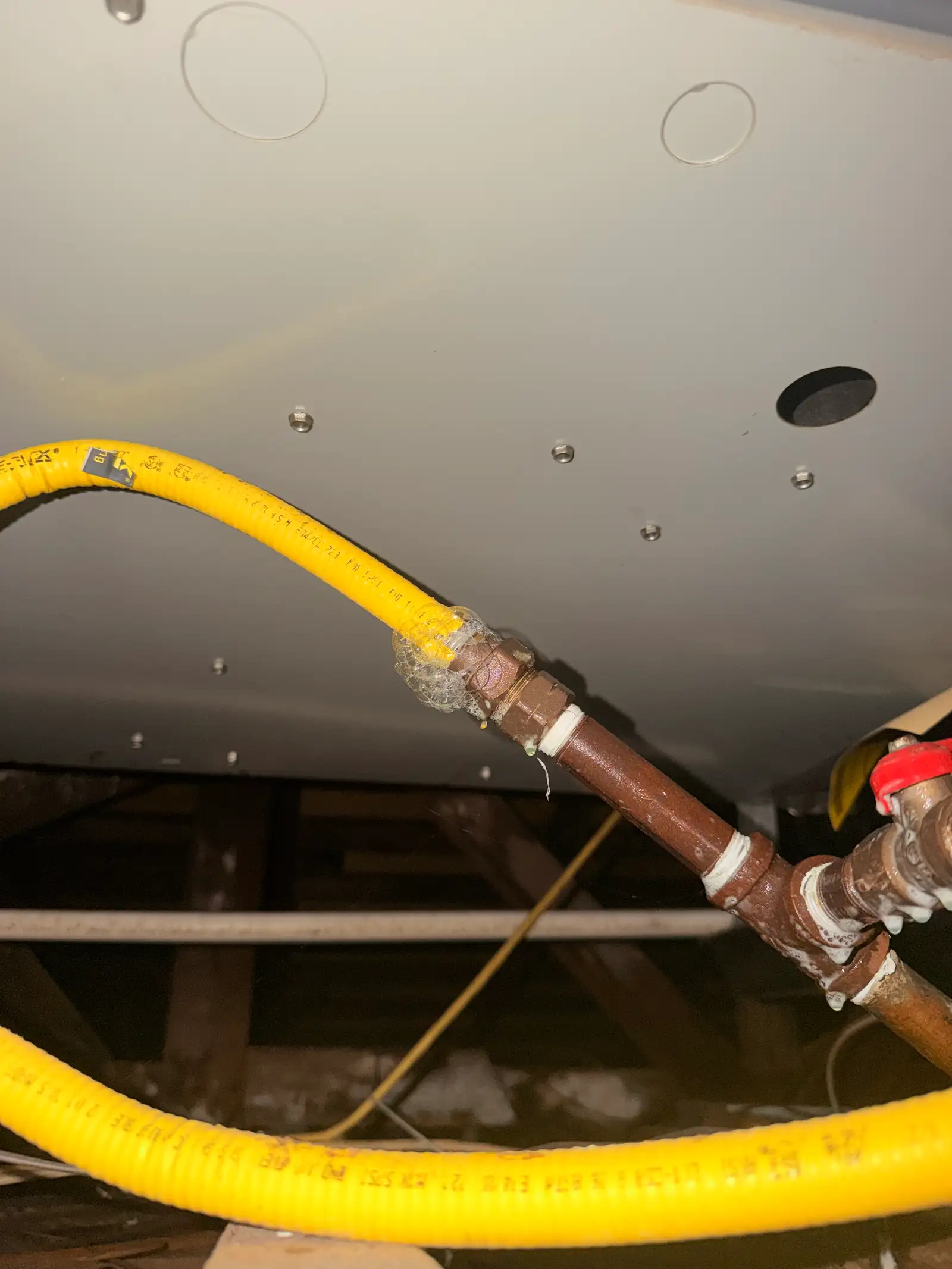
- Photographs of what we found
What is not
- The repair, which is quoted after you have the finding
- Opening walls, floors or slabs to confirm
- Locating a leak in an irrigation system, which is a separate and different search
- Any prediction of what your policy will or will not pay. Ask your carrier, not us
Before you call anyone, know where your main shutoff is
In a slab-on-grade house the main is usually on the garage wall, outside near the front hose bibb, or in the water heater closet. The guide below covers where it actually is in the housing stock here, and why finding it on the day of a leak is the worst time to look.
Our technicians are logging where the shutoff actually turns out to be on every call, because no published source covers it and guessing is not good enough.
Under a slab
If the slab is post-tensioned, nobody cuts it until the cables are located. A post-tensioned slab has steel tendons under load running through it, and cutting one is a serious and expensive mistake. We scan before any saw touches concrete, and where we cannot get a clean read we reroute overhead instead of guessing.
What to ask anyone quoting this, us included
- Where exactly is it, and how confident are you?
- Do I get that in writing?
- What are the repair options, and what do they each cost?