
What the work is
Bars work as a system. The one that matters most is usually not the one people ask for first: getting in and out of the shower is where the reach is longest and the surface is worst.
Doing three at once means one visit, one lot of making good, and one set of decisions taken together rather than a bar added each time something happens.
Each one still gets placed for how you move, not to a template.
What is included
- A walk-through of how you use the room before anything is decided
- Three bars, each fixed to blocking or a rated structural anchor
- Load testing each one
- Making good around every fixing
- A written note of what each one is rated for
What is not
- Hollow-wall fixings
- Re-tiling
- A fourth bar, unless you ask, in which case it is priced the same way
What holds them
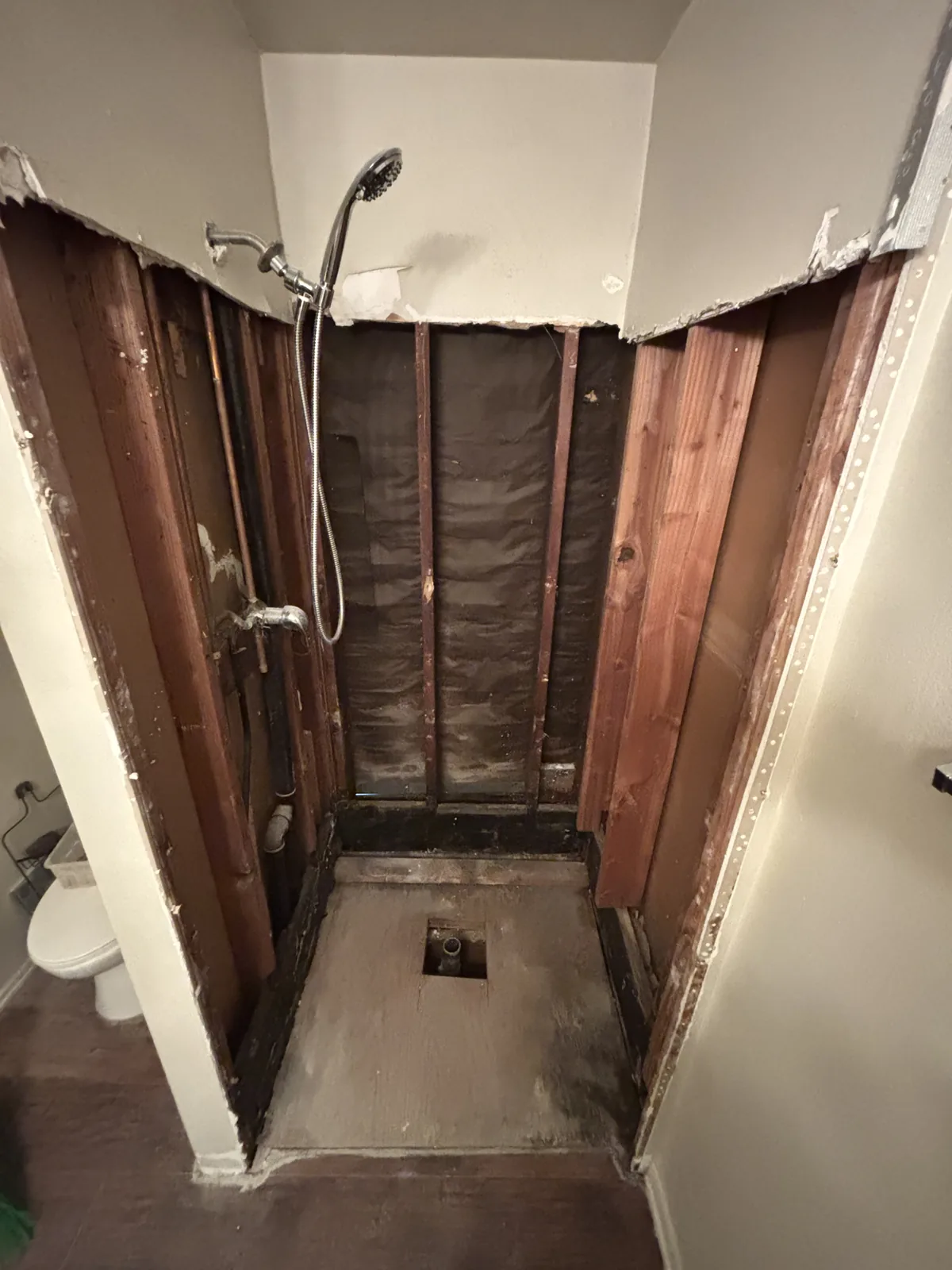
A grab bar has to take a 250 pound force. That force is carried by what is behind the wall, not by the bar and not by the fixings on the box. Tile and drywall do not hold it; blocking or a proper structural anchor does.
Doing it before you need it
The cheapest time to put blocking in a wall is when the wall is already open. If a bathroom change is anywhere in your plans, ask for blocking then even if you do not want bars yet.
The guide below is honest about what the evidence does and does not show on whether changing the house prevents falls. It is worth reading before anyone sells you a package on fear.
What to ask anyone quoting this, us included
- Where are you putting each one, and why there?
- What is each one fixed into?
- Can you test them in front of me?