St. George Home Services

Concrete coatings · Commercial and industrial

Warehouse and shop floor

Large slabs, forklift traffic, and a schedule that belongs to somebody else. The preparation is the same work at a different scale, and at this scale the preparation is nearly all of it.

One flat fee to find out what is wrong. You are told it on the phone before anyone is dispatched, and it comes off the job if you hire us. Read our Plain Terms

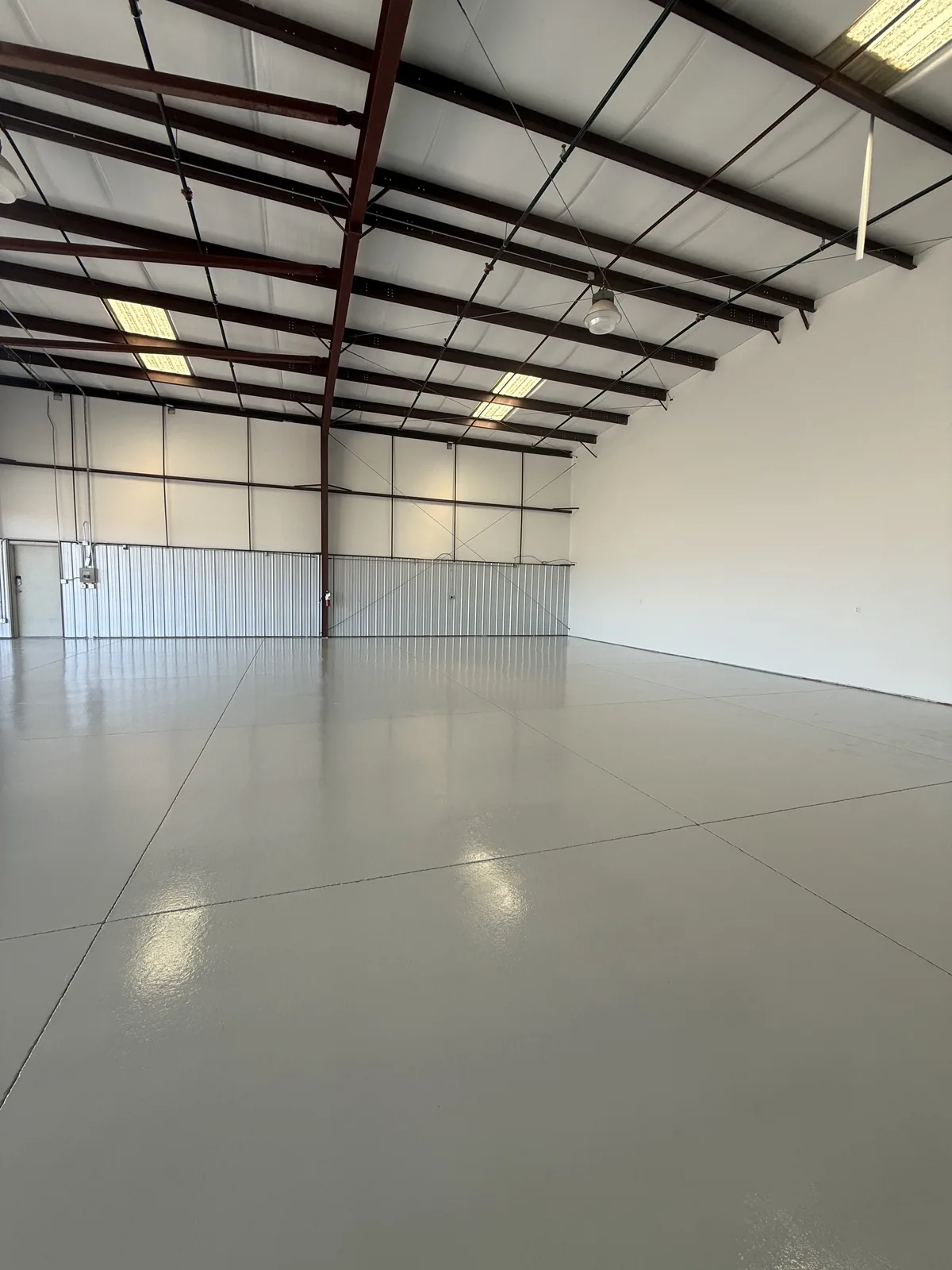
A large empty steel-framed warehouse with a plain pale gray floor coating running wall to wall, the ceiling lights reflected in its surface
A solid color with no flake. It is the plainest finish and it shows every repair in the slab beneath.

What the work is

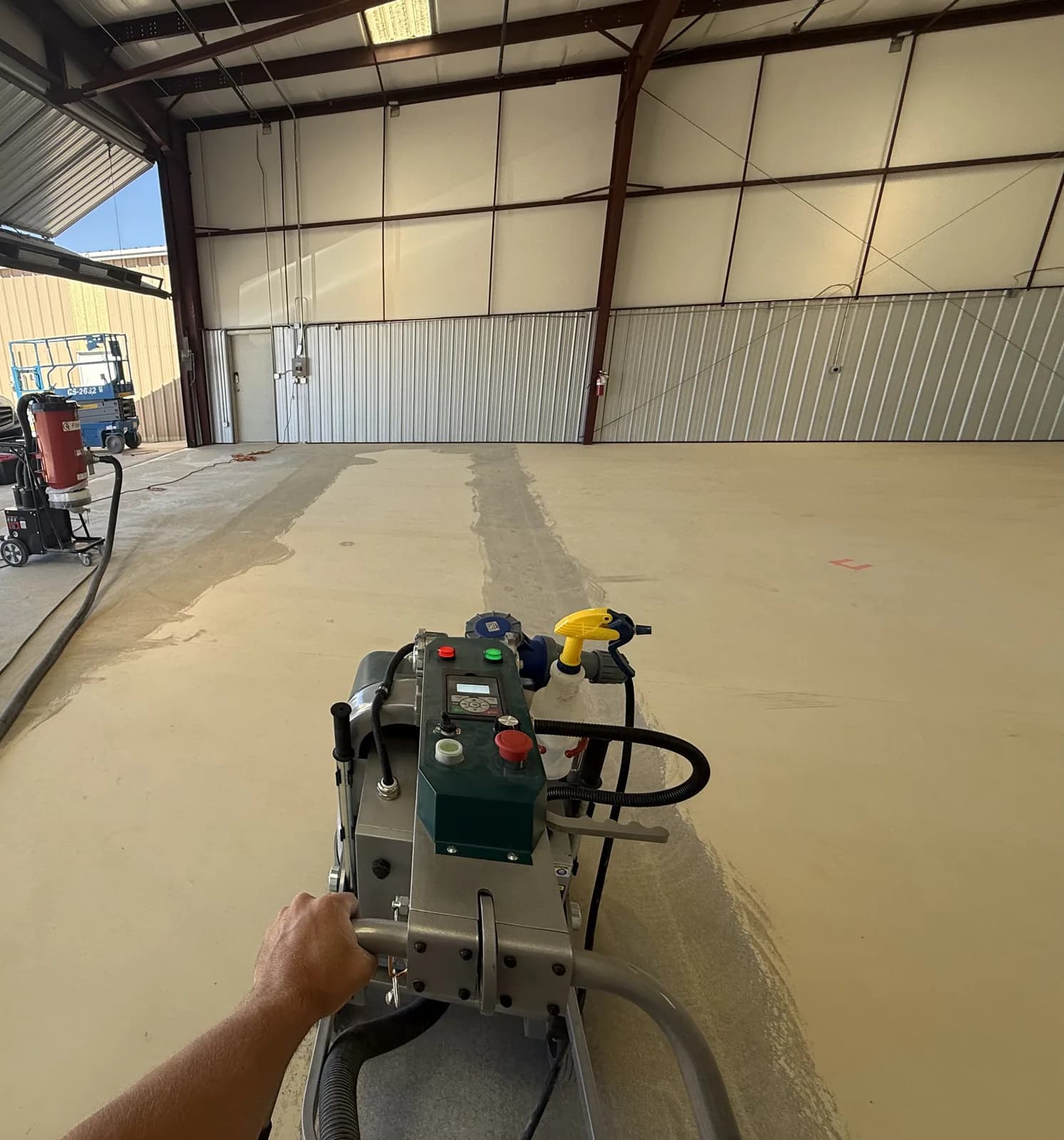
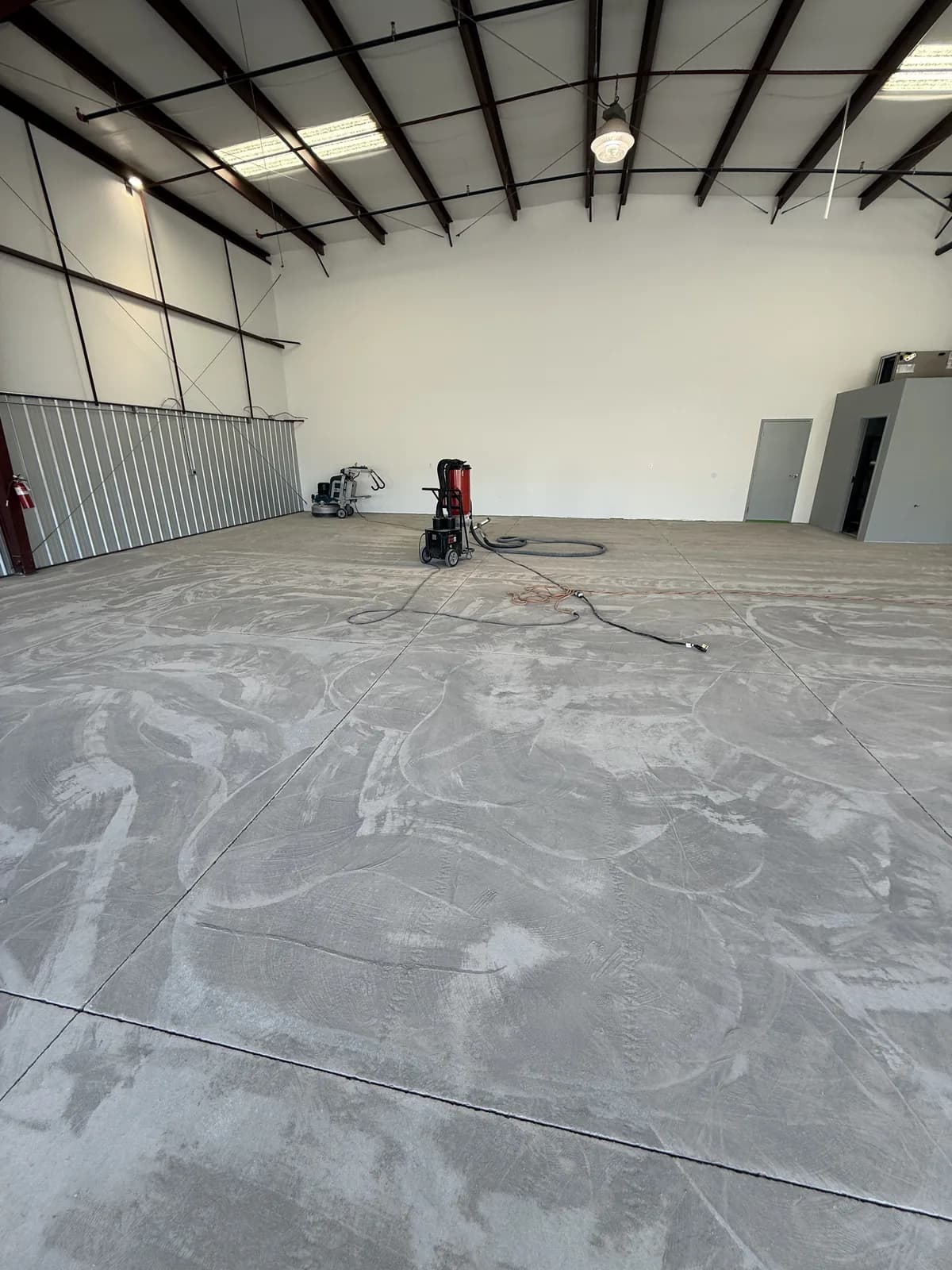
A warehouse slab is ground with a walk-behind or ride-on planetary machine running to a dust extractor. On a floor of any size that is days of work before anything is applied, and it is where the cost sits. A quote that is cheap on a big slab is usually cheap because it skips this.

Joints are the thing to get right. A large slab has saw cuts and construction joints that move, and they are treated as joints rather than coated over. Filled to the wrong specification they fail at the edges under wheel traffic within a year.

The finish is usually a solid color or a grind and seal rather than flake, because what is wanted is a floor that cleans, reflects light and takes traffic, not a pattern. Line marking goes on as its own step.

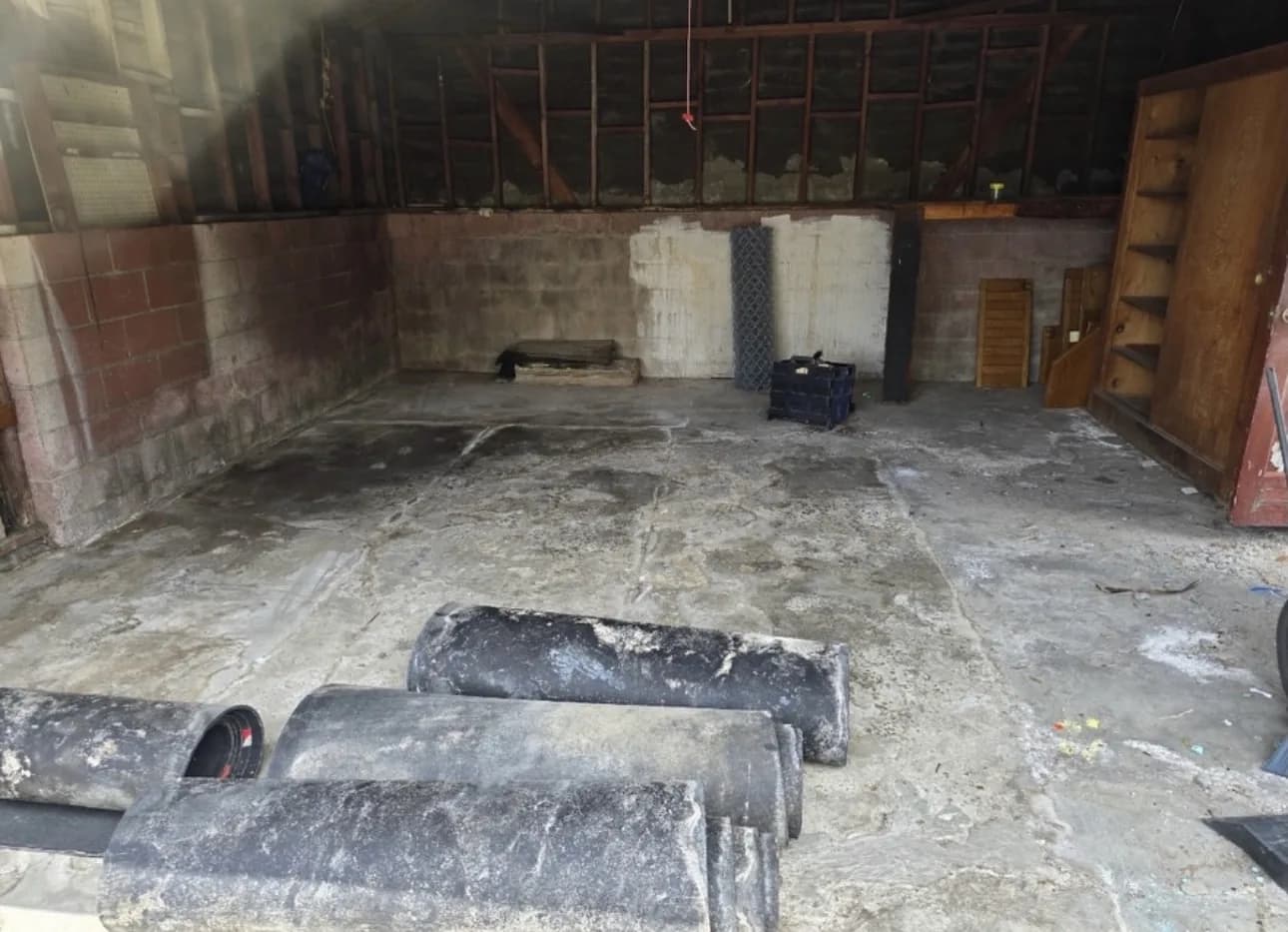
We will tell you what your slab will and will not support. A warehouse floor with a failing surface needs repair before a finish, and a coating over it is money spent twice.

What is included

  • Planetary grinding with dust extraction
  • Moisture testing across the slab, not at one point
  • Joints treated as joints, to a named specification
  • Repair of spalled and worn areas as its own quoted step
  • Line marking and demarcation, quoted separately
  • A phased program where the operation cannot stop

What is not

  • Coating over joints as if they were floor. They move and it fails
  • Racking, stock movement or equipment relocation
  • A single-visit price on a floor that needs a phased program. We will quote the phases

What to ask anyone quoting this, us included

  • How are the joints being treated, and to what specification?
  • How many moisture readings across this slab, and where?
  • What is the grinding plan, and how many days is it?
What we can show you in writing

Every line traces to a document we read in full. The number after a sentence points to the research below.

  • Concrete substrates must be mechanically prepared to remove cement laitance, existing coatings and curing compounds, and to achieve a profile that is clean, dry and free of dirt, grease and oil. Diamond grinders create that profile and remove high spots and coatings; shot blasting is described as the industry standard for surface preparation of concrete.1
  • ICRI Guideline 310.2R-2013 defines a scale of concrete surface profiles, from CSP 1 — essentially unchanged concrete with loose debris removed — through CSP 9 and beyond at exposed aggregate. Physical replica chips exist so a prepared slab can be visually accepted or rejected against the number, and most coating manufacturers specify against that scale on their own data sheets.1
  • ASTM F2170 measures the internal relative humidity of a slab using probes set in holes drilled to 40 per cent of the slab depth, and has been displacing calcium chloride testing as the preferred method since 2002.1

Where this comes from

Every line above traces to a document we read in full. The number after a sentence points to the research below; hover it for the section. If you find a line wrong, tell us and we will fix it and say so.

  1. Concrete coatings research, September 2026 Compiled from ICRI Guideline 310.2R-2013 on concrete surface preparation, the ASTM moisture test standards F2170, F1869 and D4263, ACI 302.2R and NRMCA CIP 29 on slabs and vapor retarders, Sika's published surface preparation guide, Sherwin-Williams product literature on polyaspartic chemistry, and the Utah Geological Survey and Utah DEQ material already cited in the environment research. 3 sections cited. Hover a number above for the section.

The rest of commercial and industrial

The quote is the number. There is no second number.

Call (801) 680-6859

7 a.m. to 5 p.m., weekdays. Emergency calls answered any hour, every day.