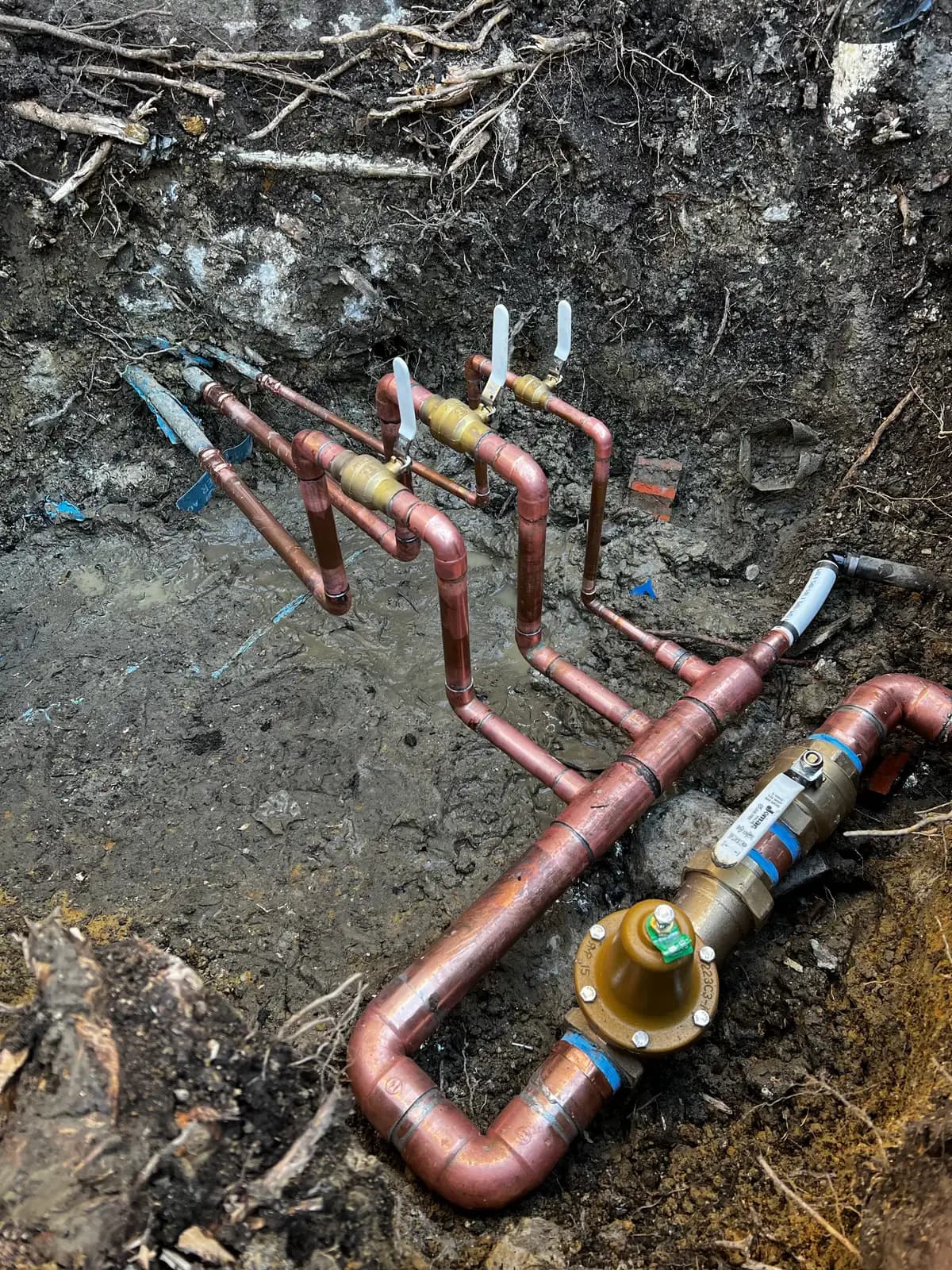
What the work is
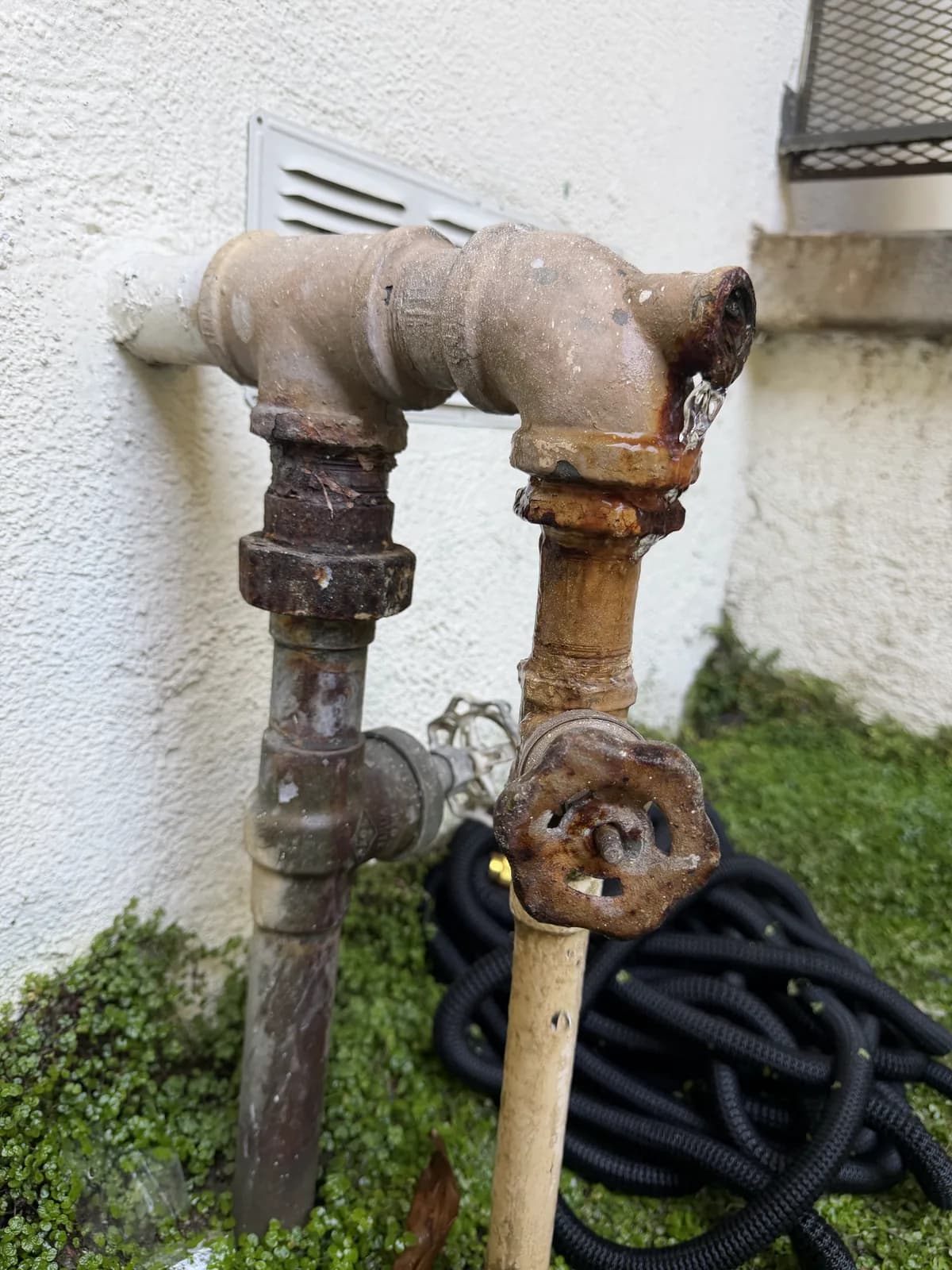
High static pressure is quietly expensive. It shortens the life of every flexible connector, every fill valve and every cartridge in the house, and it is the reason behind a lot of failures that get blamed on the fixture.
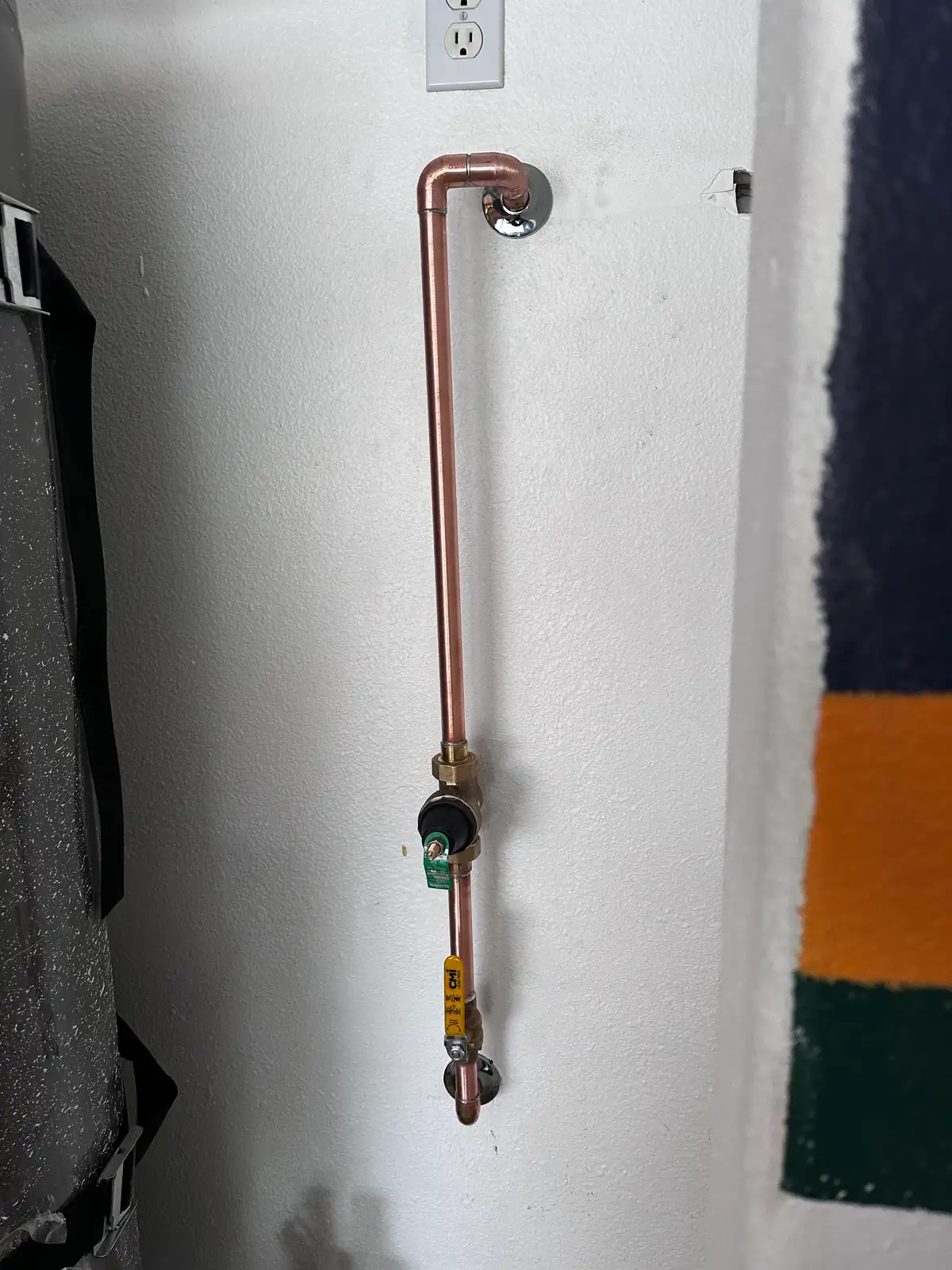
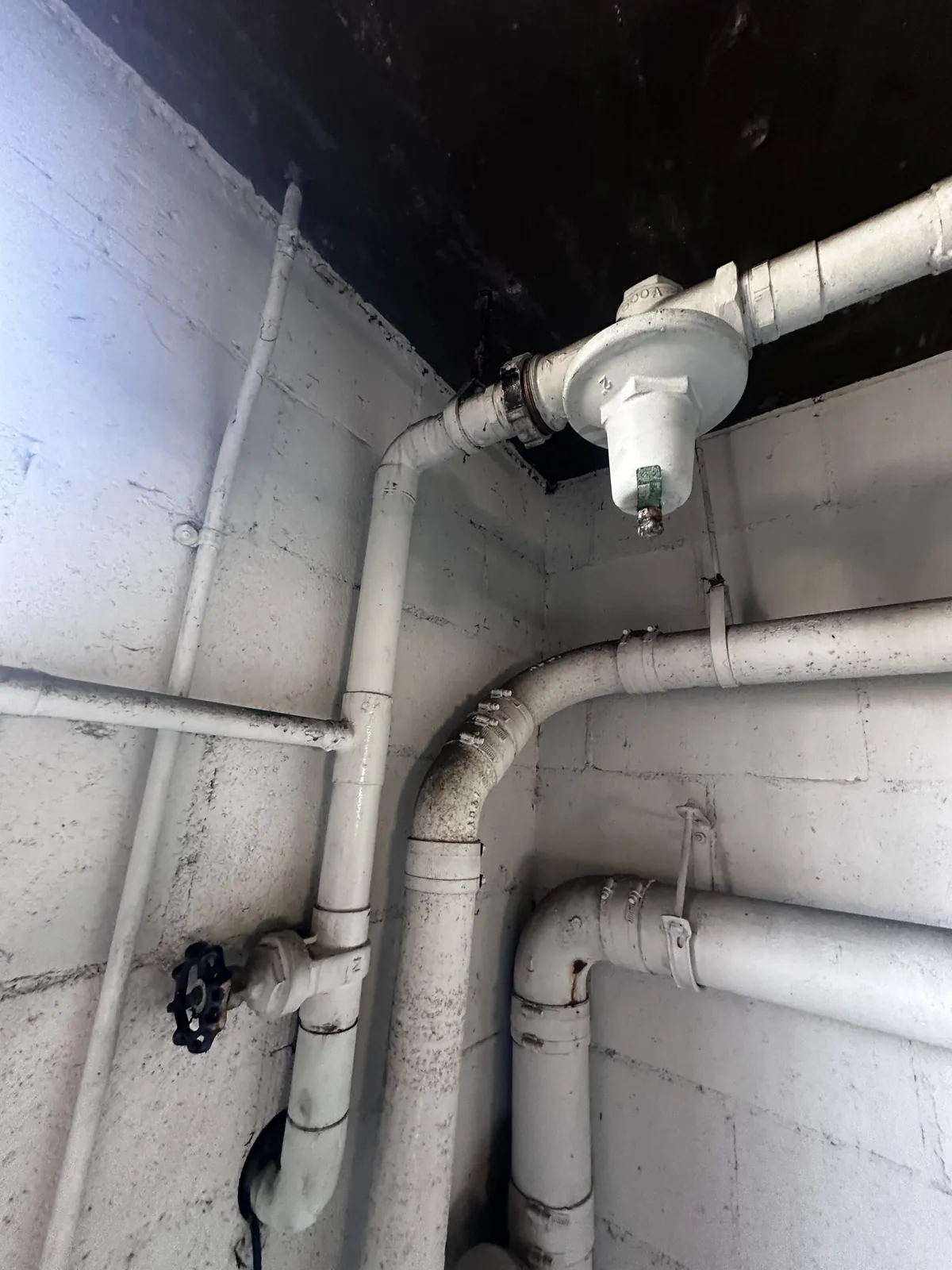
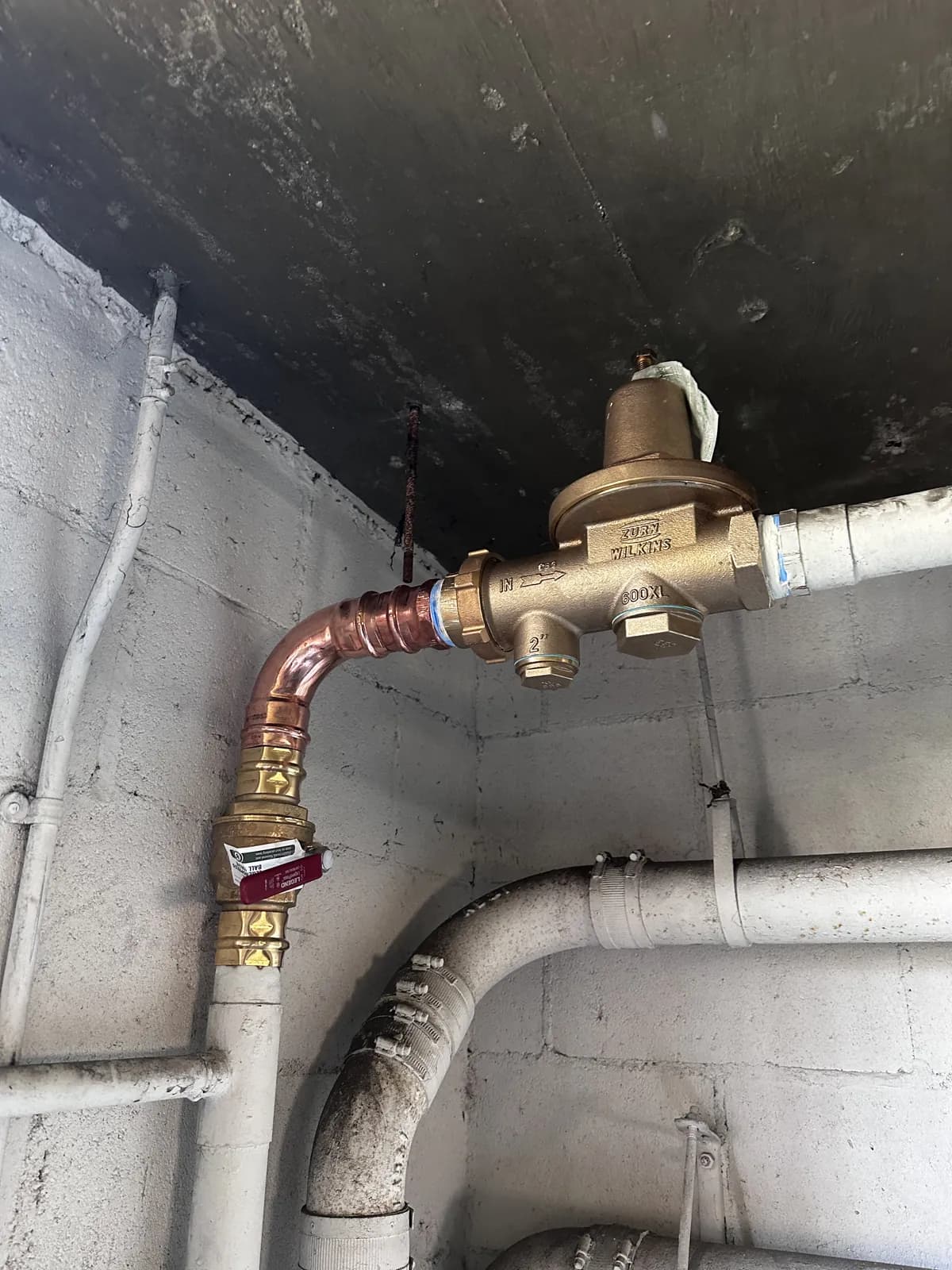
The first thing is the measurement. We gauge the static pressure at a hose bibb and tell you the number. If it is high, a pressure reducing valve on the service brings it into range.
Fitting one turns the house into a closed system, so a thermal expansion tank has to go on at the same time. Anyone who fits a reducing valve and does not deal with expansion has created a new problem.
What is included
- Measuring and reporting the static pressure in writing
- The valve, installed on the service with a union so it can be serviced
- Setting the outlet pressure and showing you the gauge
- Fitting or checking a thermal expansion tank at the same time
- Re-measuring at a fixture afterwards
What is not
- Replacing the water service itself
- Repairing fixtures that were already damaged by the high pressure
- Adjusting a valve someone else installed without checking the rest of the system
If your relief valve drips and then stops
That is thermal expansion, not a faulty valve, and it appears as soon as a house becomes a closed system. The guide below explains the sequence. It is the most common thing we are called out to that has already been 'fixed' twice.
What to ask anyone quoting this, us included
- What is my static pressure, in numbers?
- What did you set the valve to?
- Is there an expansion tank, and is it charged to that pressure?