What the work is
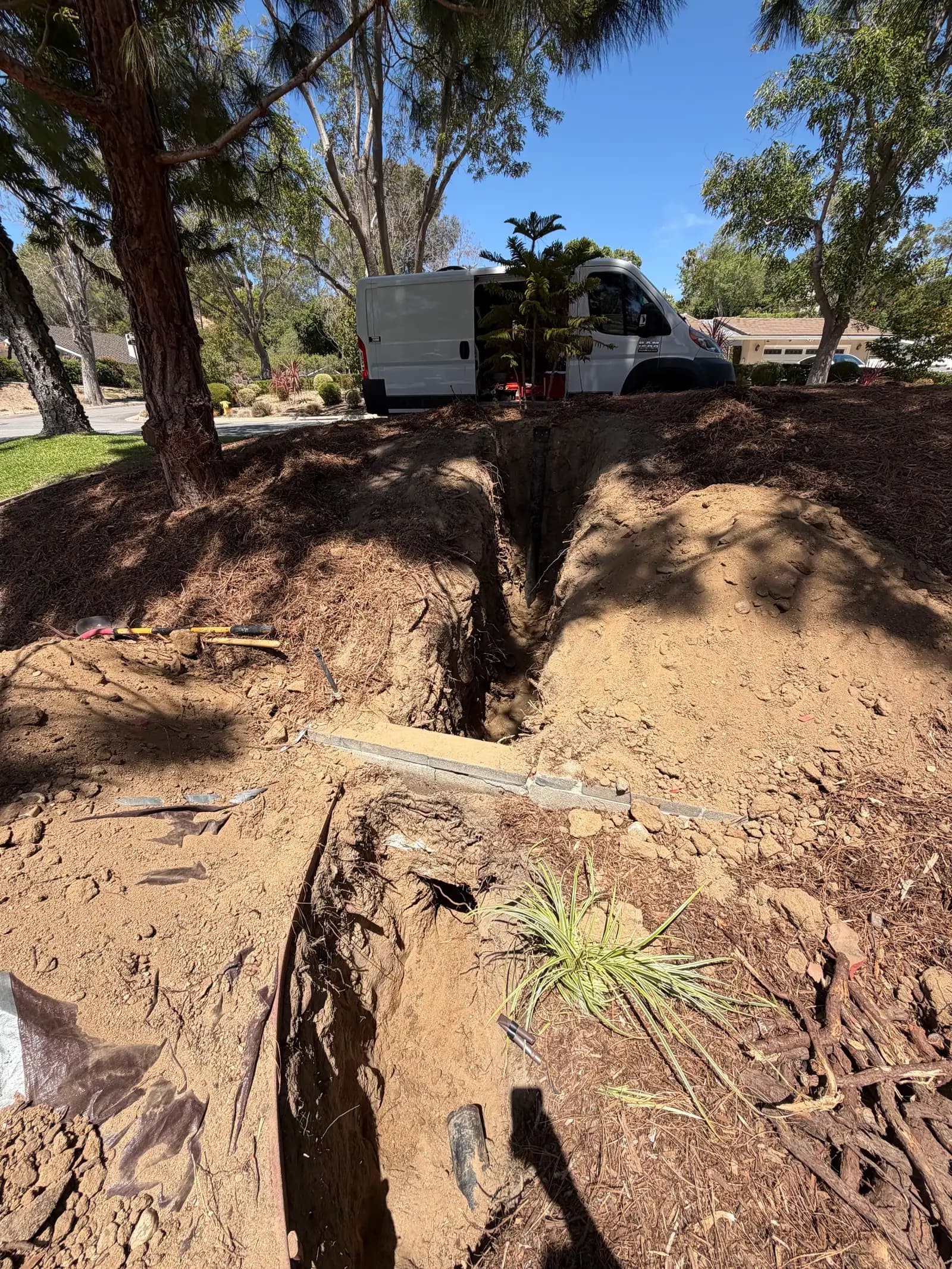
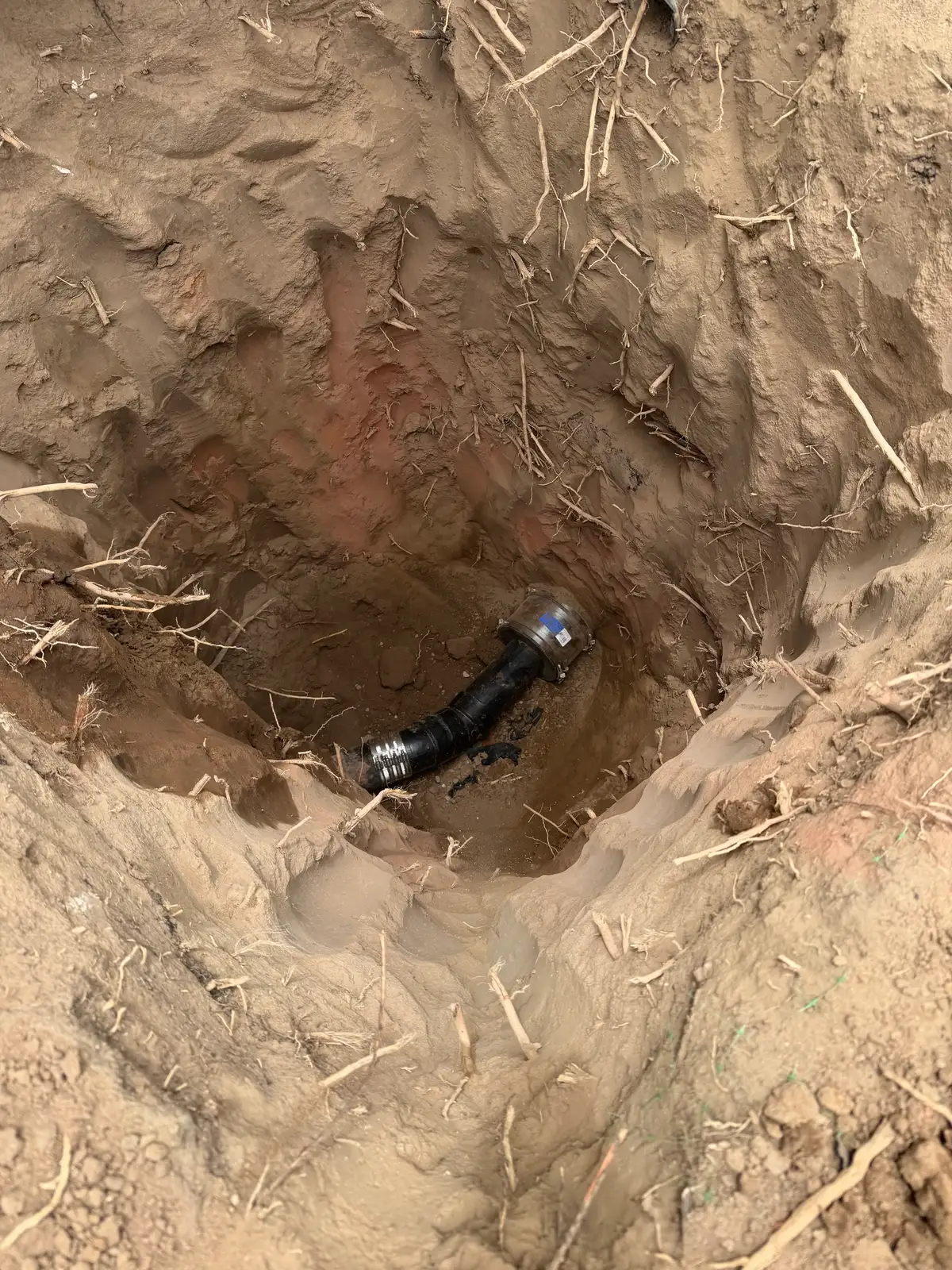
A resin-saturated liner is drawn into the existing pipe and cured in place, leaving a continuous new pipe inside the old one. There are no joints for roots to find, and the only ground opened is the access point.
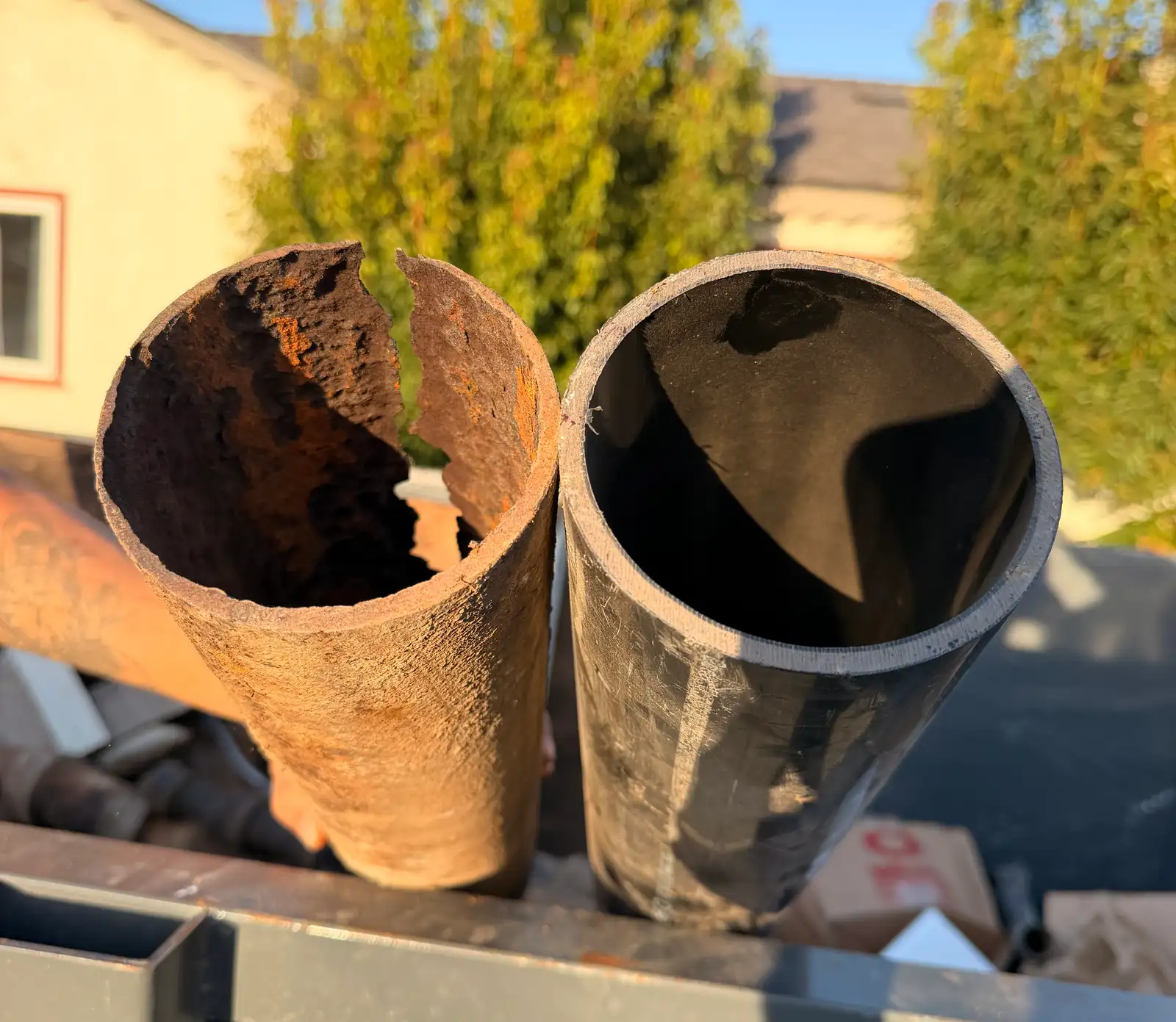
It suits a line that is structurally intact enough to host a liner: joints separating, roots coming in, corrosion, a long run under something you do not want to dig up. It does not suit a pipe that has collapsed, gone badly out of line, or lost its shape, and it slightly reduces the internal diameter.
Which of those you have is a camera question, not a sales question. We run the camera first and show you.
What is included
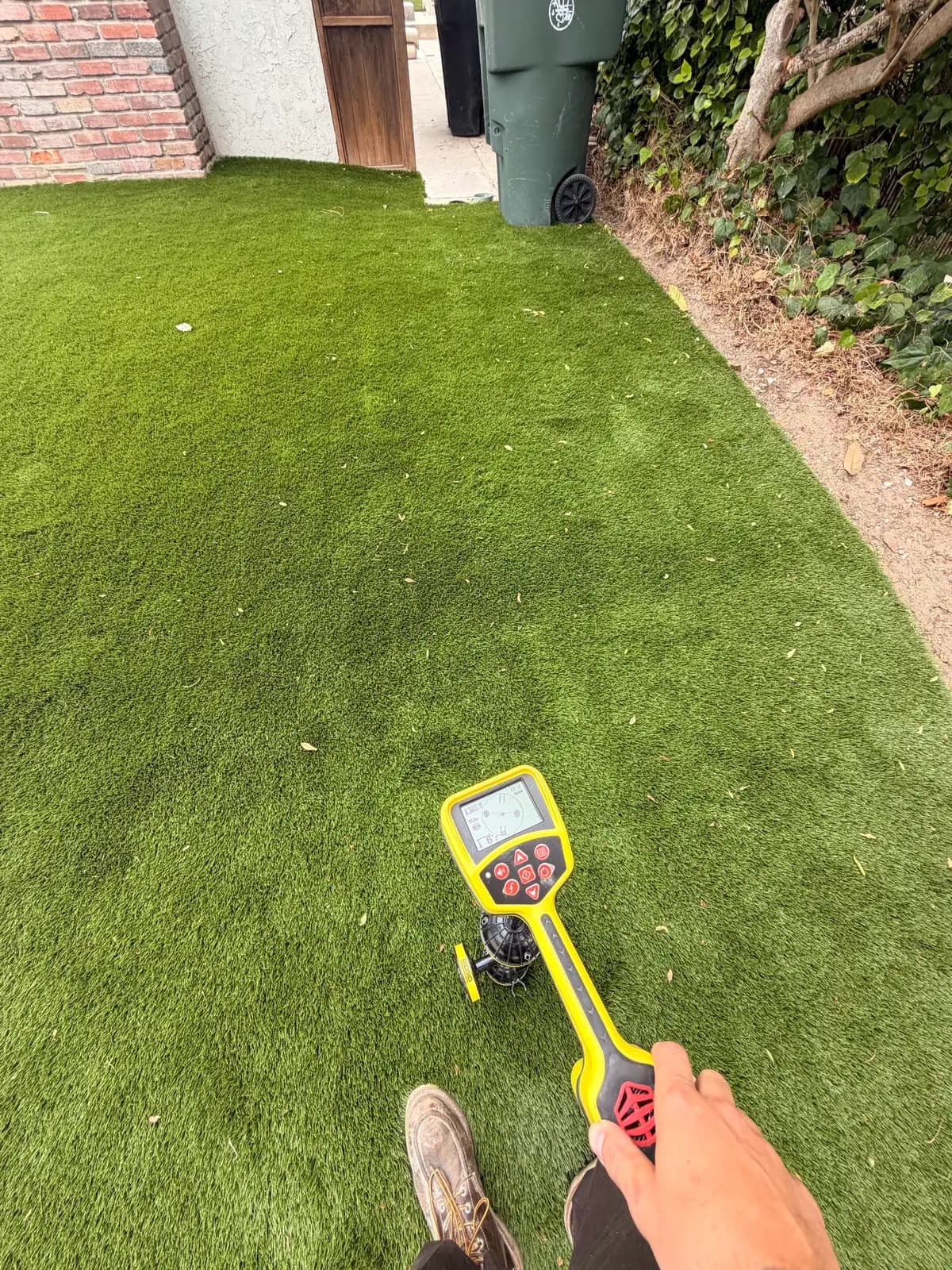
- Camera survey and locating before anything is opened
- Cleaning the host pipe so the liner bonds
- The liner, installed and cured
- Reinstating any branch connections
- A camera run afterwards, and you keep both recordings
What is not
- Lining a pipe that has collapsed or lost its shape. We will tell you and quote the alternative
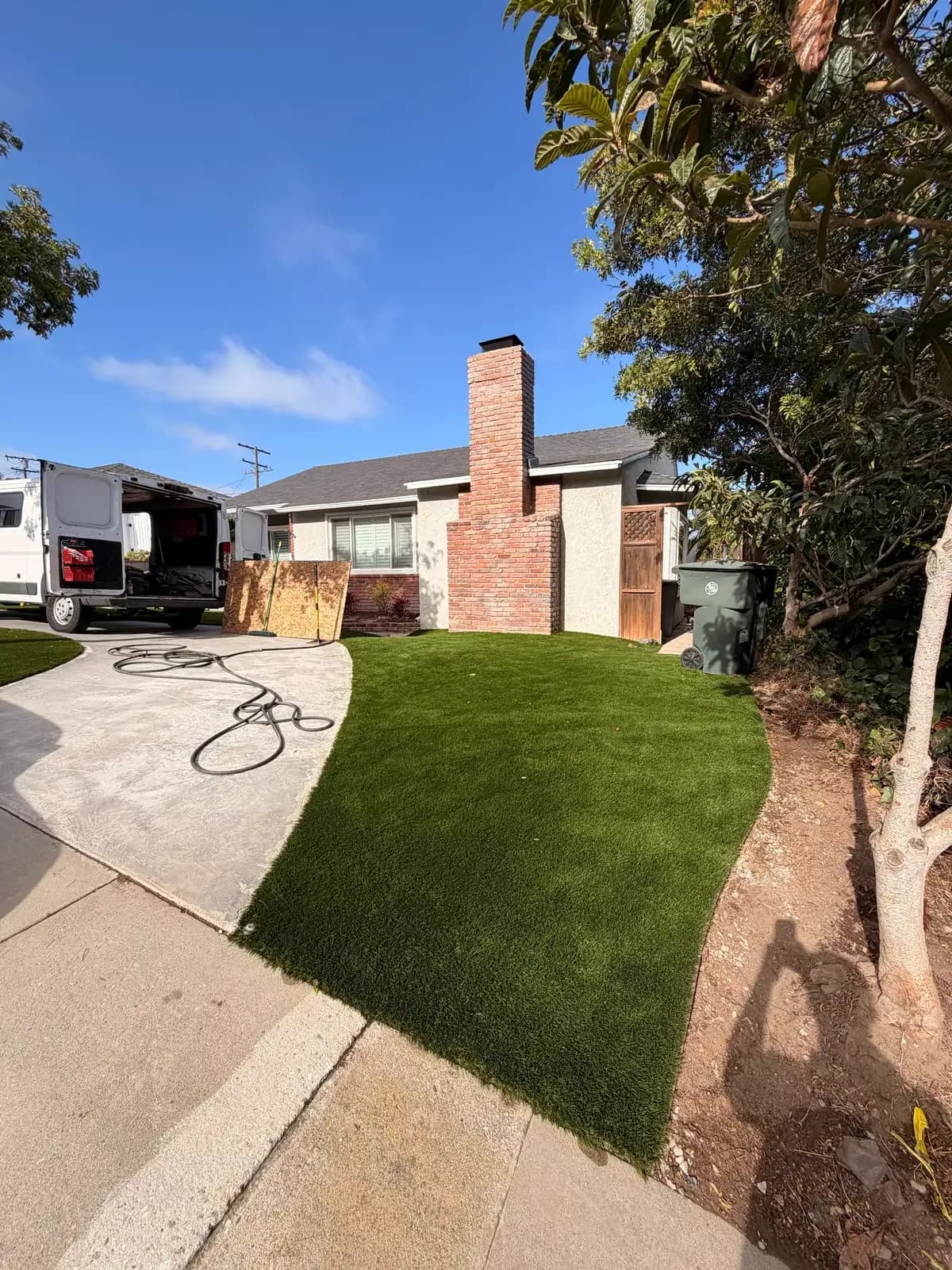
- Restoring landscape or hardscape beyond the access point, which is quoted once we know where it goes
- Work on the city's side of the connection
Why the same job costs more here
Sewer work in this county carries costs that the same job would not carry on the Wasatch Front, and the guide below sets out what those are rather than leaving you to assume you are being overcharged. Read it before you compare quotes.
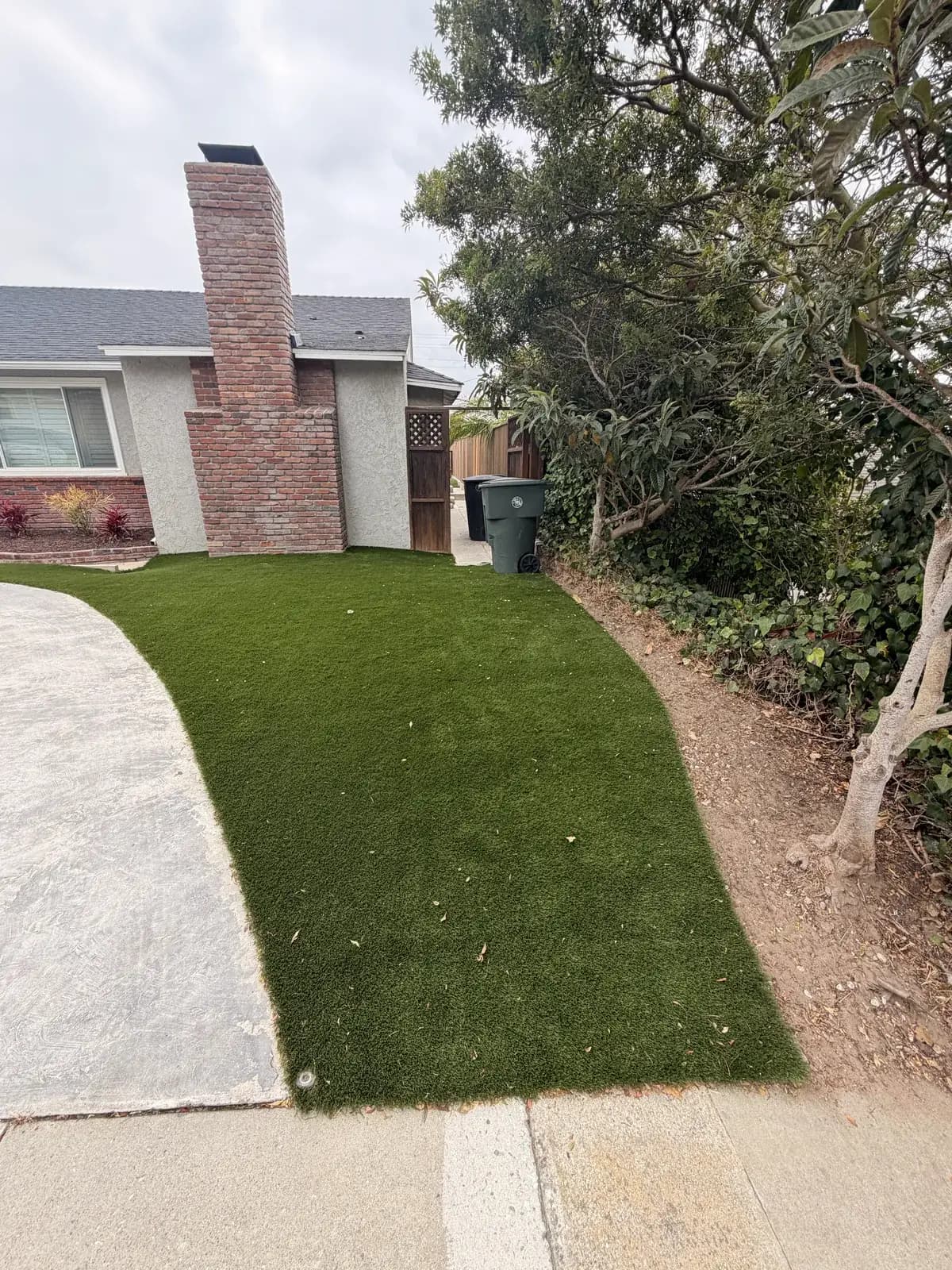
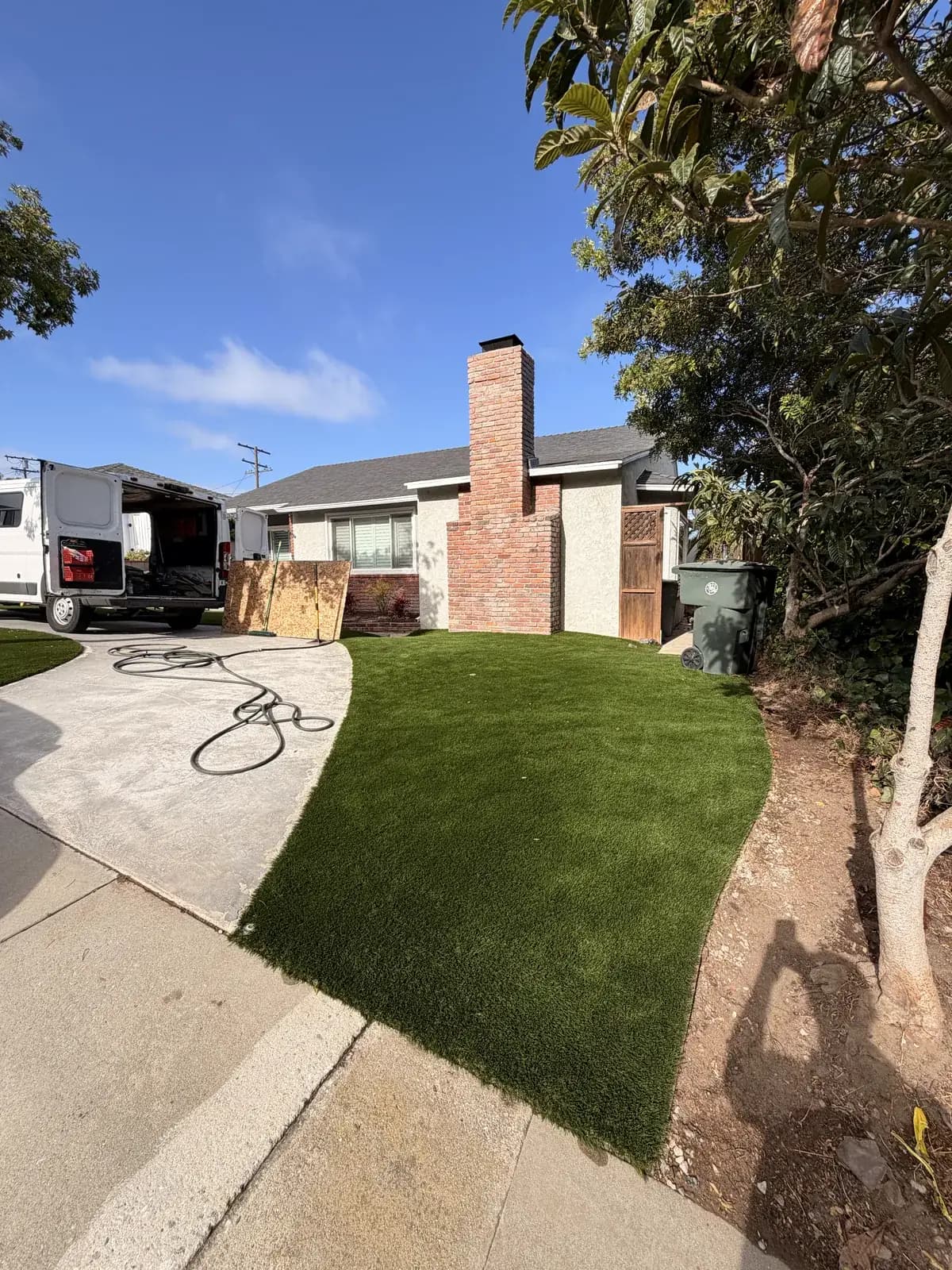
If your front yard has been converted under the water district's rebate, tell us before we choose the access point. The agreement you signed has conditions about the converted area.
What to ask anyone quoting this, us included
- Have you seen the inside of this pipe, and can I have the recording?
- Is this line a candidate for lining, and what would rule it out?
- How much diameter do I lose?