What the work is
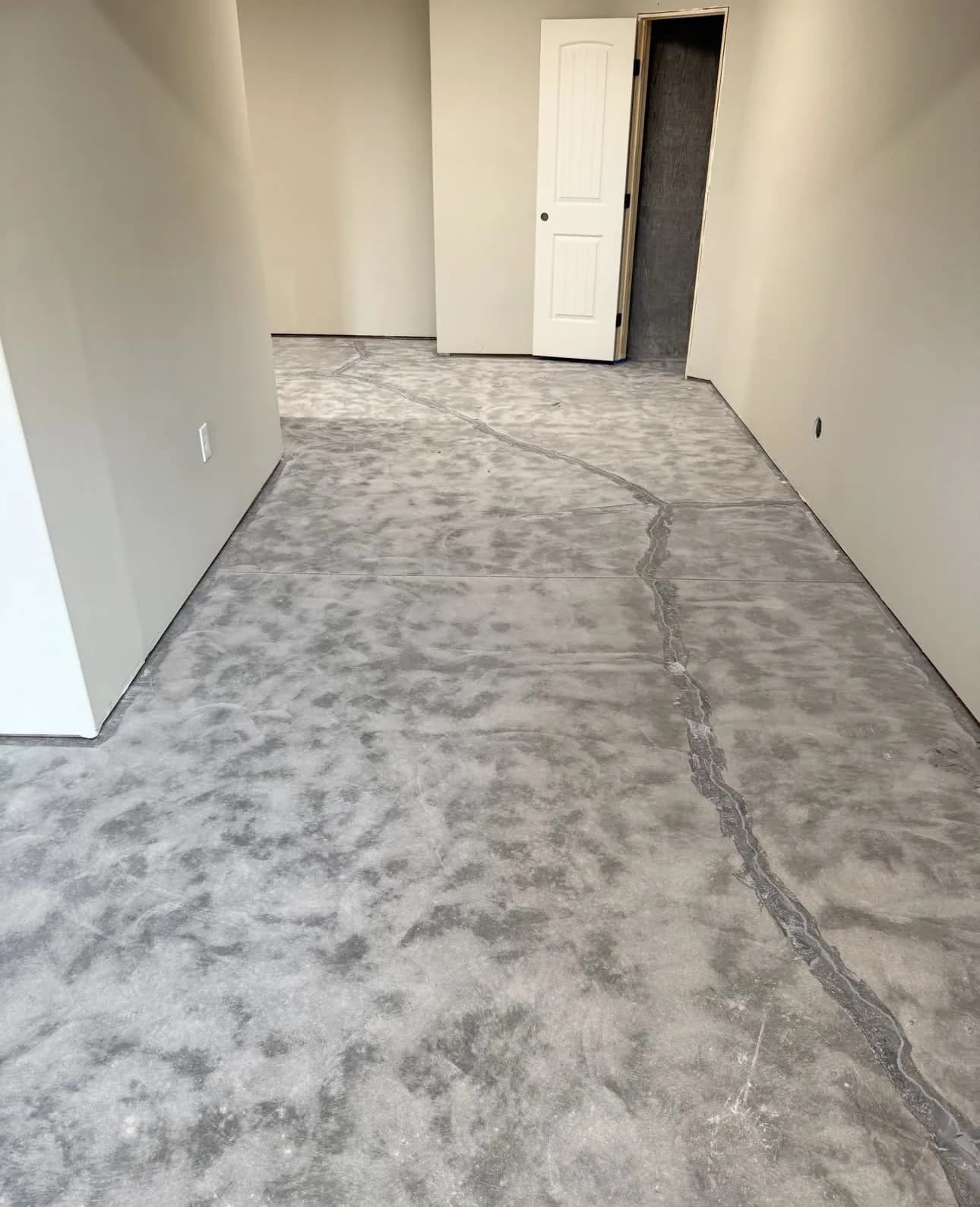
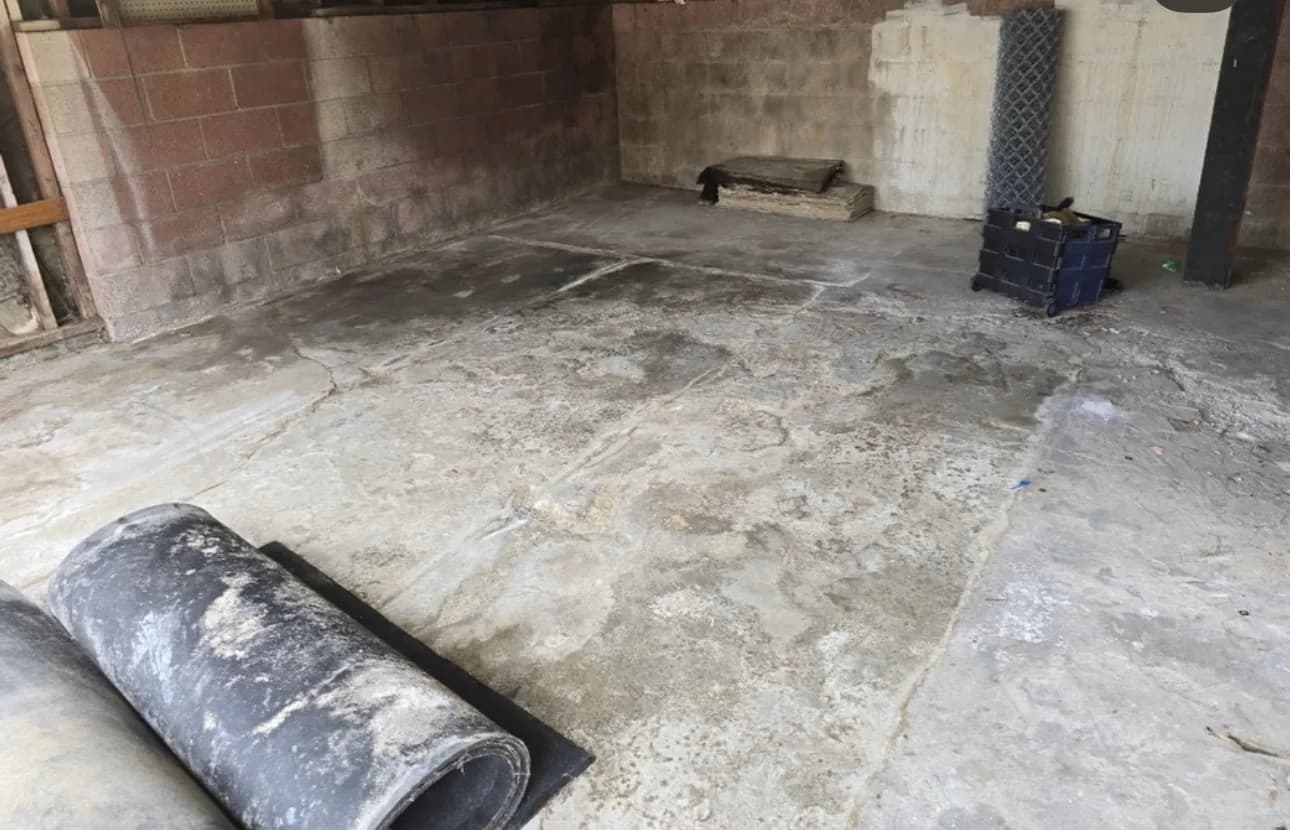
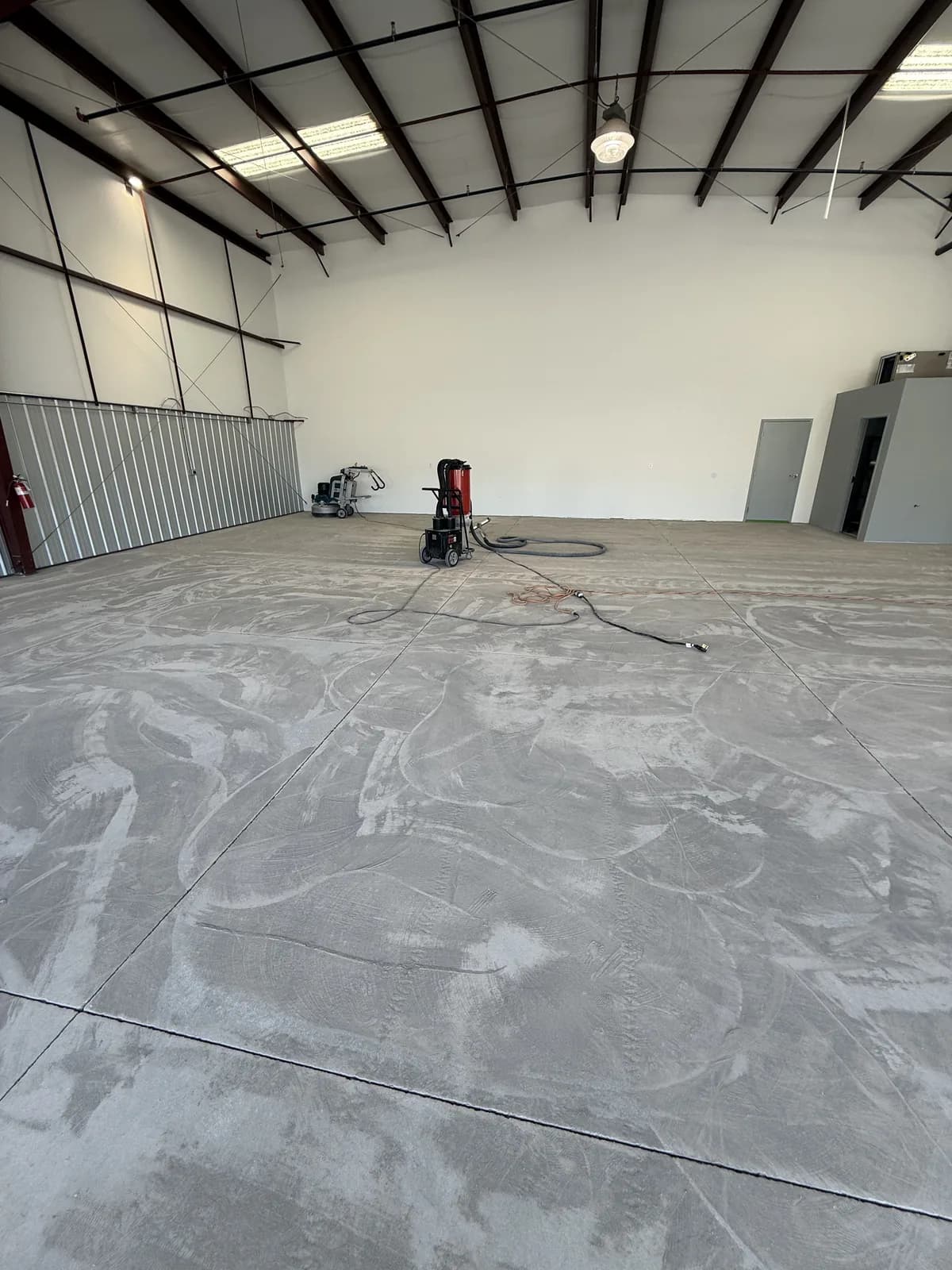
An assessment is a visit that produces a document rather than a sales call. We look at the slab, test it, and write down what we found: the moisture readings and the method used to get them, the condition of the cracks and joints, what is already on the floor and whether it will come off, and what surface profile the finish you want will need.
You keep that. If you take it to another contractor, it works there too, and that is fine — it is a description of your slab, not a proposal. What it does is stop you comparing quotes that are not comparing the same job.
It is worth doing on its own in three situations: a coating has already failed once and nobody has said why; the slab is below grade or in an older house with no known vapor retarder; or you are getting quotes that differ by more than they should and you want to know which one is pricing the real work.
We will tell you if the answer is that your slab should not be coated. Some should not.
What is included
- Moisture testing to a published method, with the method named and the readings recorded
- An inspection of the cracks, joints and any existing coating
- The surface profile the intended finish requires, written down as a number on the published scale
- A written summary you keep, whoever does the work
- Credited against the job if you go ahead with us
What is not
- Structural assessment. If the slab is moving, that is an engineer's question and we will tell you to ask one
- Soil testing. Sulfate and bearing questions belong to a geotechnical lab
- A recommendation we cannot support from what we measured
The methods, named
ASTM F2170 reads the internal relative humidity of the slab from probes set at 40 per cent of its depth. ASTM F1869 gives a moisture vapor emission rate from the weight gain of calcium chloride under a sealed dome over three days, reflects the surface rather than the interior, and has been disallowed on lightweight concrete since 2010. ASTM D4263 is the plastic sheet method, used in the standard's own words "to indicate the presence of capillary moisture in concrete", and it shows surface conditions only.
For the profile, the International Concrete Repair Institute's Guideline 310.2R-2013 defines a scale of concrete surface profiles from CSP 1, essentially unchanged concrete with loose debris removed, up through CSP 9 and beyond at exposed aggregate. Physical replica chips exist so a prepared slab can be accepted or rejected against the number, and most coating manufacturers now specify against that scale on their own data sheets. The guideline's own advice is to specify a range rather than a single number, because more than one profile will usually work.
What the ground under a Washington County slab does
The Utah Geological Survey's Special Study 127 maps nine adverse construction conditions across the St. George and Hurricane area, and several of them bear on a slab: gypsiferous soil and rock, collapsible soil, caliche, expansive soil, and shallow ground water. Washington County publishes them as GIS hazard layers you can look at yourself.
The one that matters most to concrete is sulfate. Under the American Concrete Institute exposure classes, a soil sulfate test determines the required mix: class S1 at 0.10 to 0.20 per cent water-soluble sulfate in soil, S2 at 0.20 to 2.00 per cent where sulfate-resistant cement is required, S3 above that. St. George culinary water itself reaches 451 parts per million sulfate, inside class S1 for water contact.
We do not test soil and we will not tell you your slab is failing from sulfate attack. What we will do is tell you your address sits in a mapped zone, show you where to look, and be honest that the condition of the concrete is a question that comes before the question of what to put on it.
What to ask anyone quoting this, us included
- Which moisture test, and can I have the number in writing?
- What surface profile does the finish I want require?
- Does the assessment cost come off the job, and is that in writing?